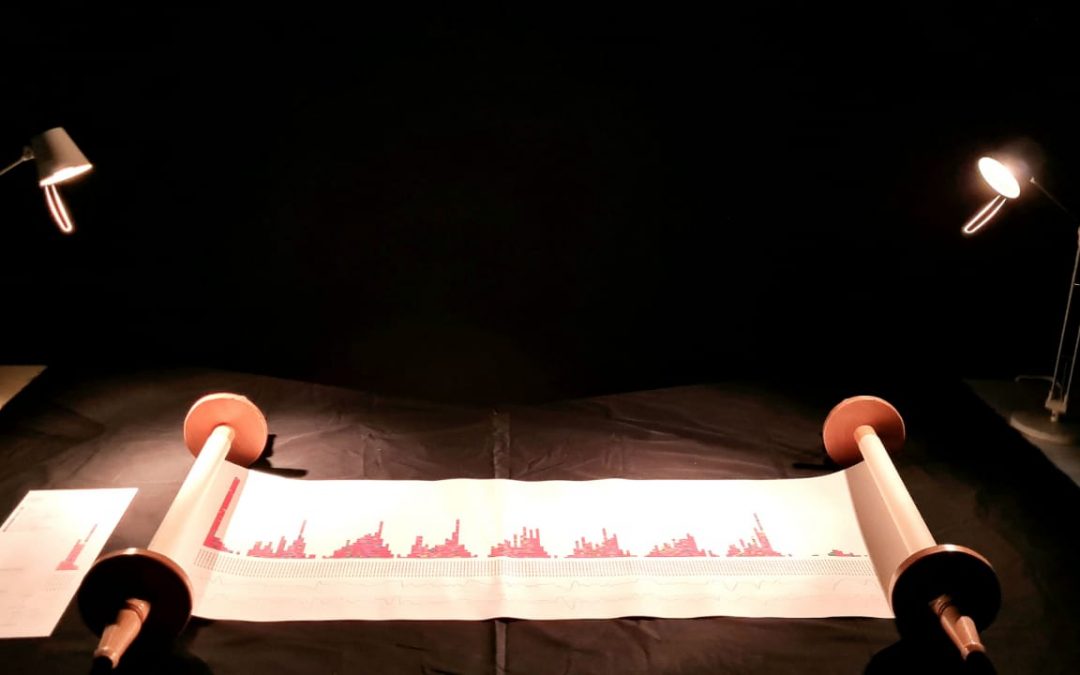
 A recap of what took place A call for a Data Meditation on Climate at the MAXXI Museum in Rome: https://www.maxxi.art/en/events/opencall-datameditation-una-meditazione-per-lambiente/ 200 people apply, 80 are selected. Each day, they use a web app (built using...
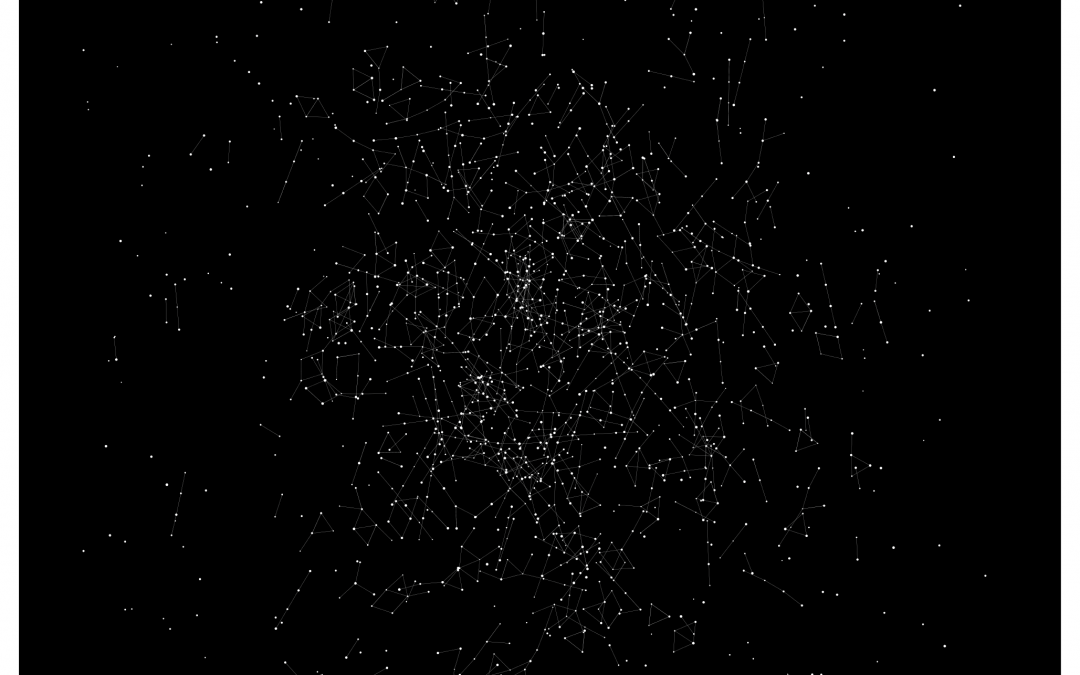 This.Astro will be featured in a talk at Castelnuovo Fotografia, and it will be featured in a workshop to be added to ARNA, the Archivio dei Rituali del Nuovo Abitare.
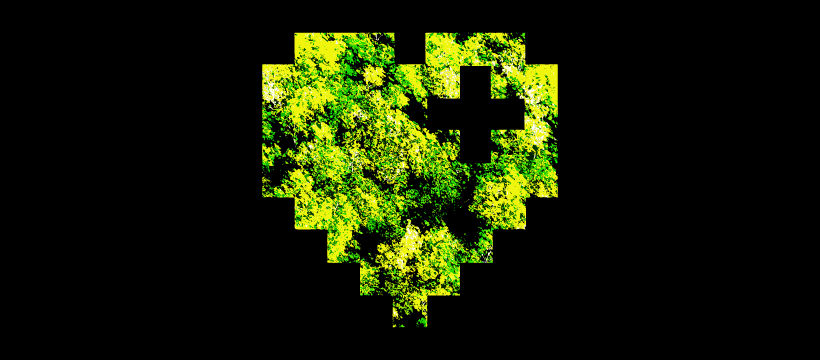 Data Meditations will be at MAXXI Museum. Here is a video of the presentation: And here is the link to participate @ MAXXI Museum (experience, workshop, exhibit): https://www.maxxi.art/en/events/opencall-datameditation-una-meditazione-per-lambiente/ Data Meditations...
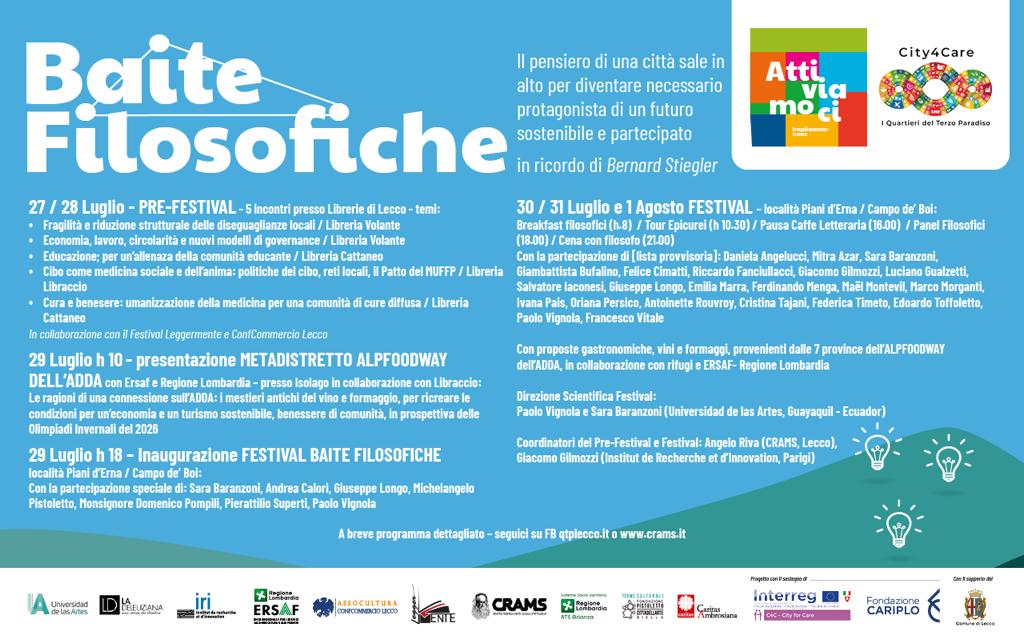 AOS will be at Festival delle Baite Filosofiche in Lecco, from July 29th to August 1st, for an intensive – yet relaxed – discussion starting from many of the concepts of our beloved (and, sadly, recently disappeared) Bernard Stiegler Here is some info in the...
 We have just publishes the Principles of Nuovo Abitare / I Principi del Nuovo Abitare Let’s discuss them. You can find them in english here: https://xdxd-vs-xdxd.medium.com/the-principles-of-nuovo-abitare-c766cb6e1b88You can find them in italian here:...
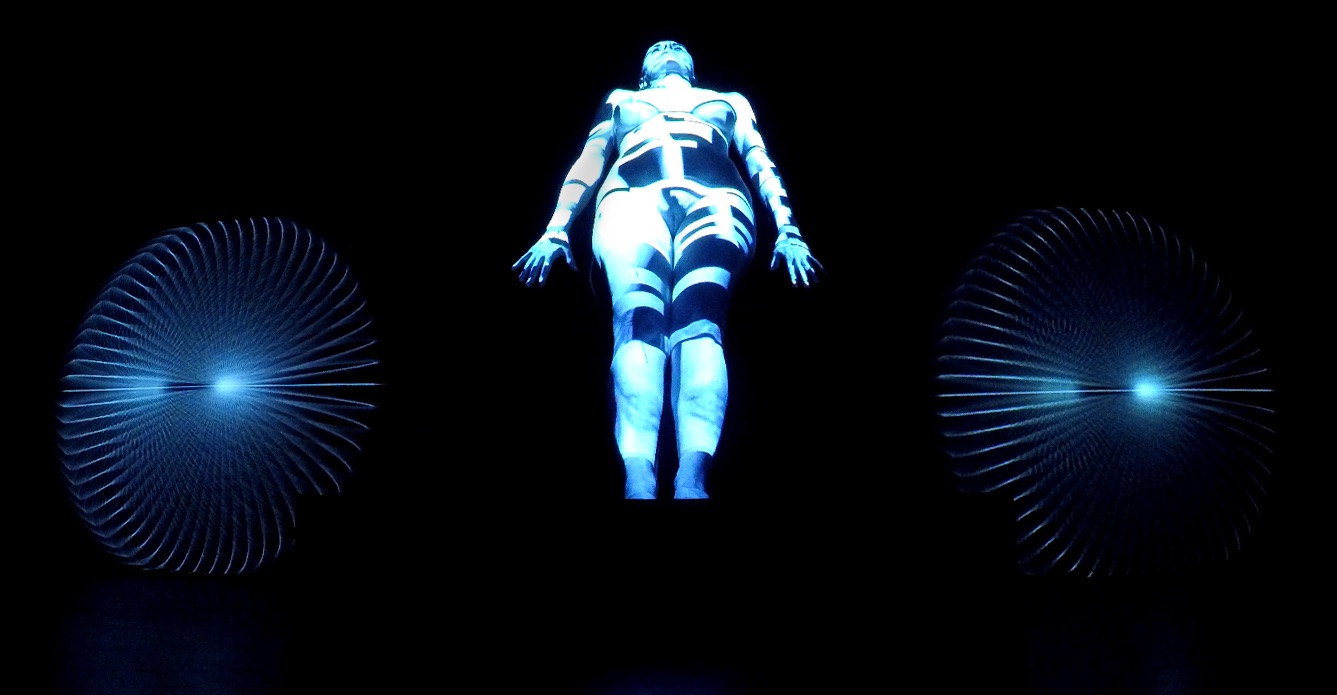 AOS will be premiering a new format on May 25th, from 19:00 to 20:00 in Madrid at MMMAD, Madrid’s Digital Arts Festival, with the fundamental support of Istituto Italiano di Cultura in Madrid, who made it possible. Know more info about the event at IIC Madrid...
 Foro I+D+C at Círculo de Bellas Artes in Madrid is to become a central meeting point for the international research in which Arts, Humanities and social and economic values, with the objective of generating innovation and social impact. More info can be found in the...
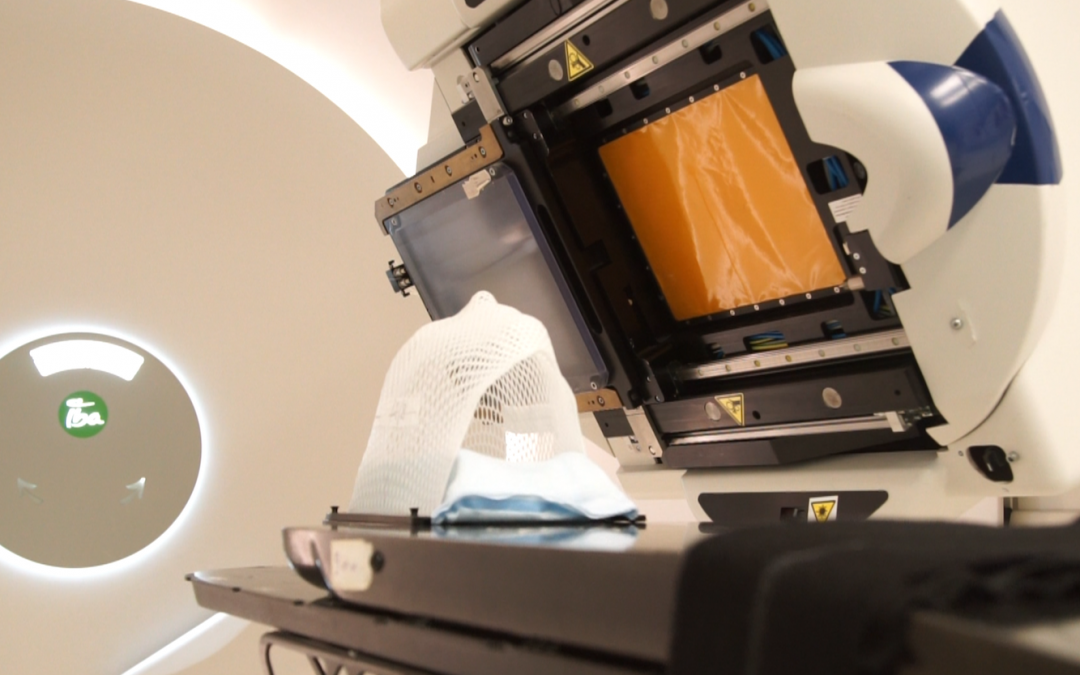 Our project Di Protoni e Dati will first be shown during an online event created by the partners on March 27, 2021. Program Facilitation:Barbara CarfagnaPresentations:Alberto Abruzzese, MediologistAlessandro Dalla Torre, Fondazione Bruno KesslerNadio Delai,...
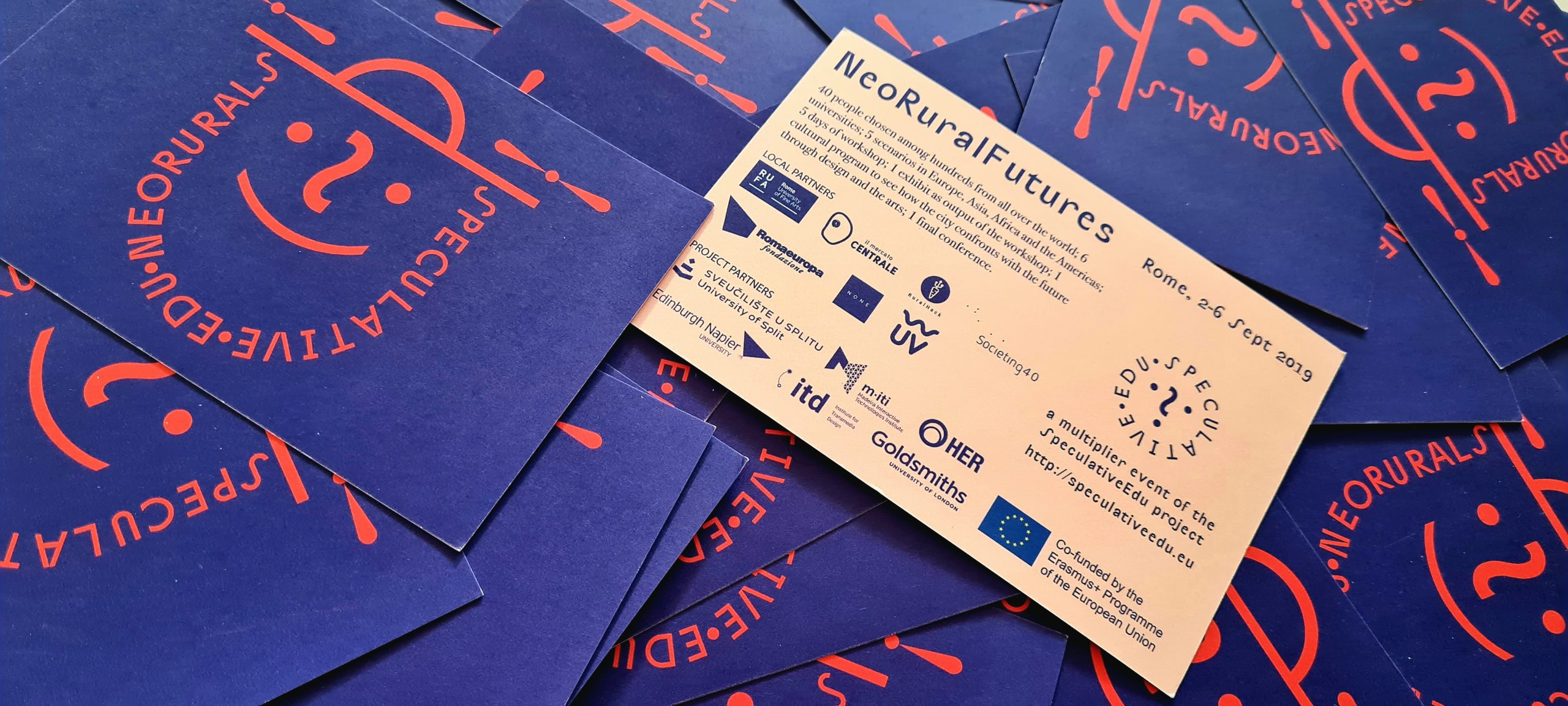 Neo. Rural. Futures. The publication is out: Neorural Futures, the book is out! SpeculativeEdu is one of the EU projects which we are participating to, together with Universities and research centers. Just a few days ago, we had an interview featured on the...
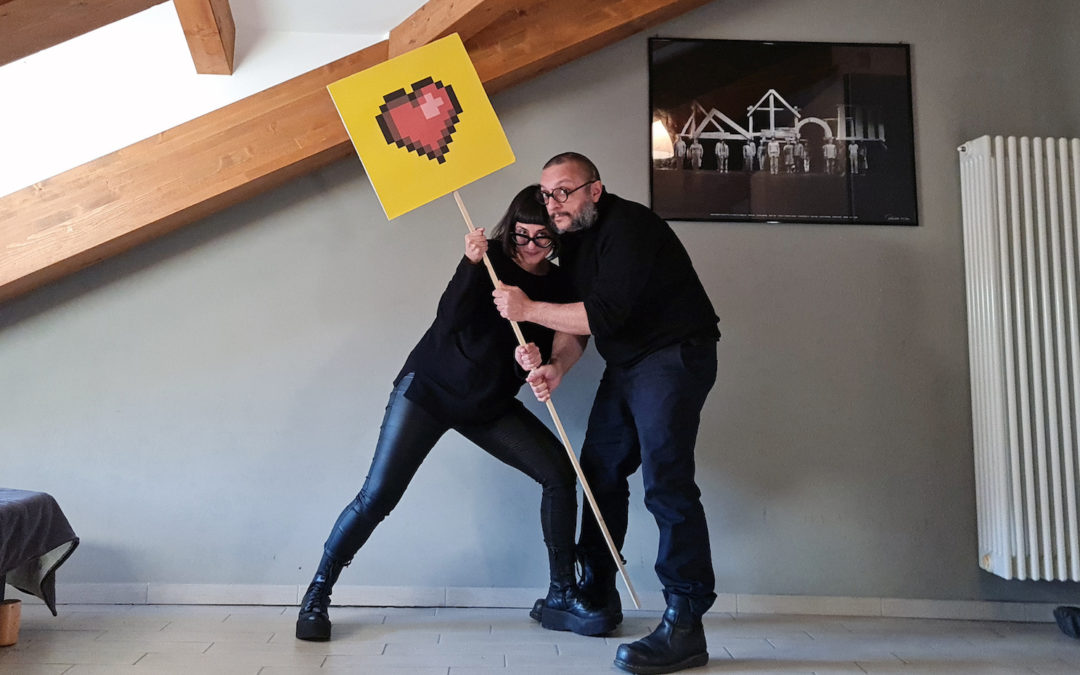 We’re in turin at the Opera Barolo: http://www.operabarolo.it/it/nn-386-44/news/mai-come-oggi-abbiamo-avuto-bisogno-d-rsquo-arte From Opera Barolo’s website: Now more than ever, we need ArtOriana Persico and Salvatore Iaconesi, couple in life and art,...
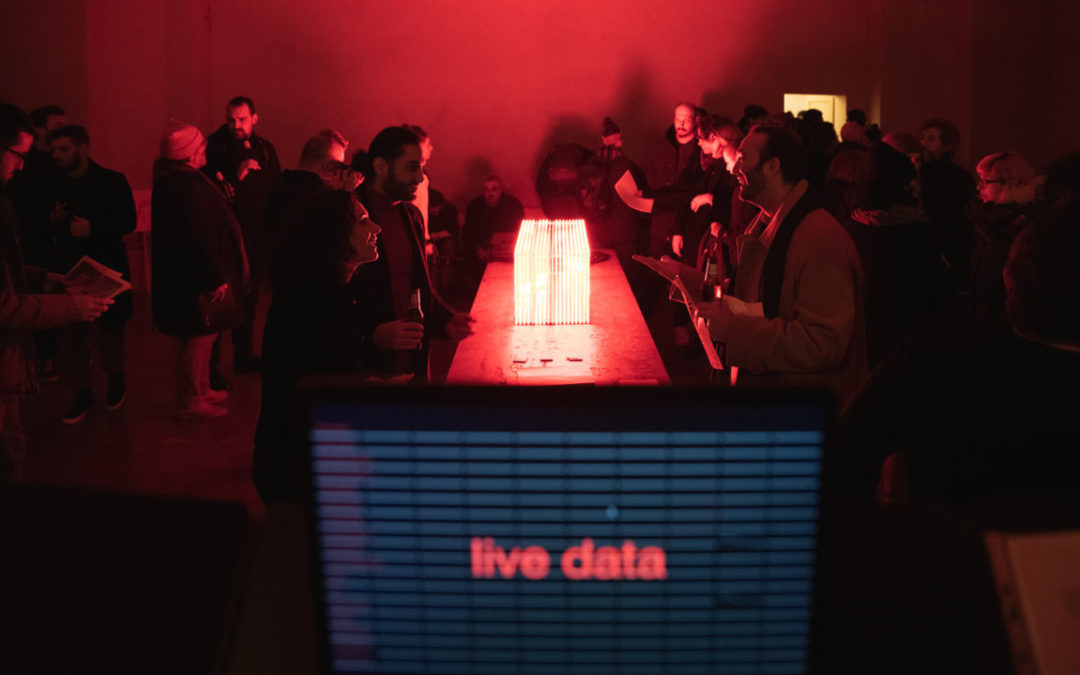 Datapoiesis and Obiettivo will be in Berlin for State Studio’s HYPERTOPIA exhbit, Opening on 23 October, and with the Exhibition & Program running from 23 October – 6 December. “Now that we’re here, where are we? Still on the same planet, for...
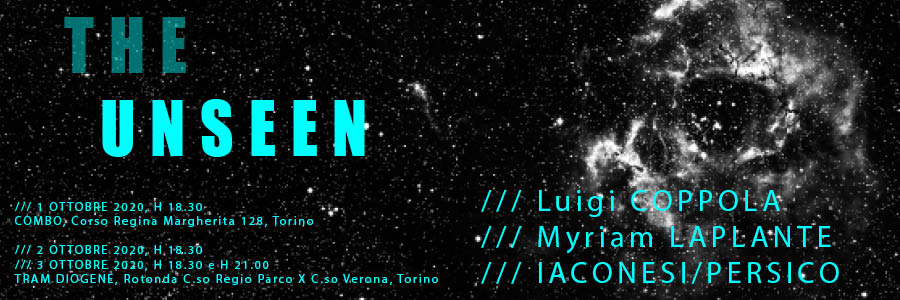 During the spring and summer of 2020, the members of Diogene and the founder of Oggetti Specifici have been engaging in a series of dialogues at a distance with the artists invited for the new edition of the project The Unseen: an open discussion among colleagues,...
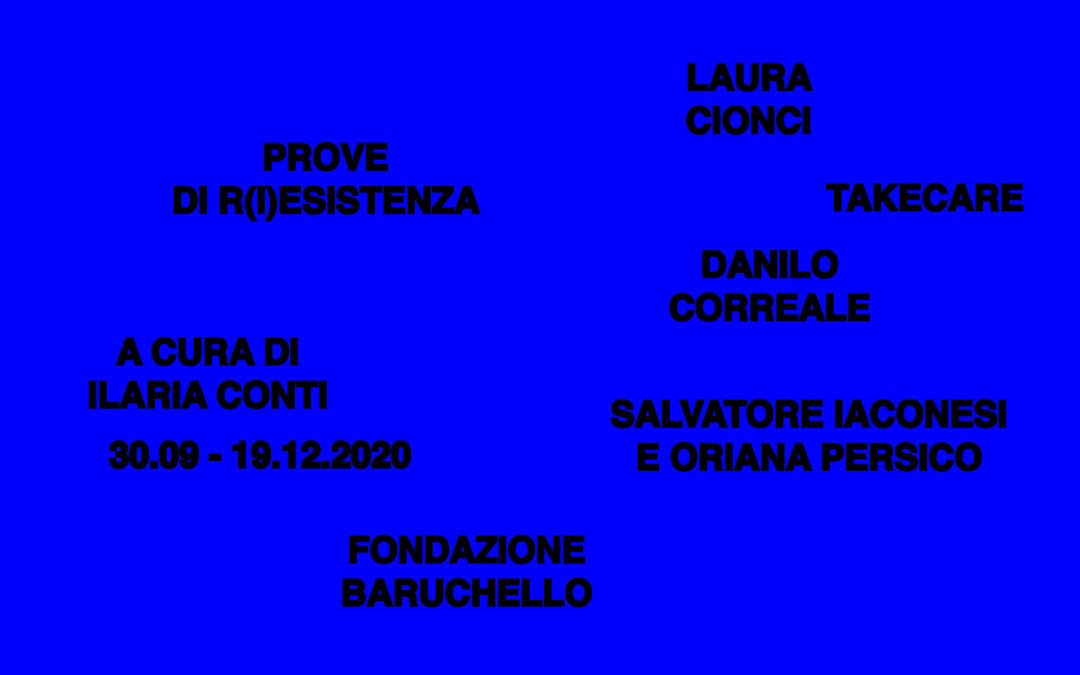 Fondazione Baruchello Presents PROVE DI R(I)ESISTENZA Laura Cionci, Danilo Correale, Salvatore Iaconesi e Oriana Persico, takecare Curated by Ilaria Conti 1 ottobre – 19 dicembre 2020 Opening: wednesday septenber 30 2020 16.00 – 21.00 The pandemic disruptions of 2020...
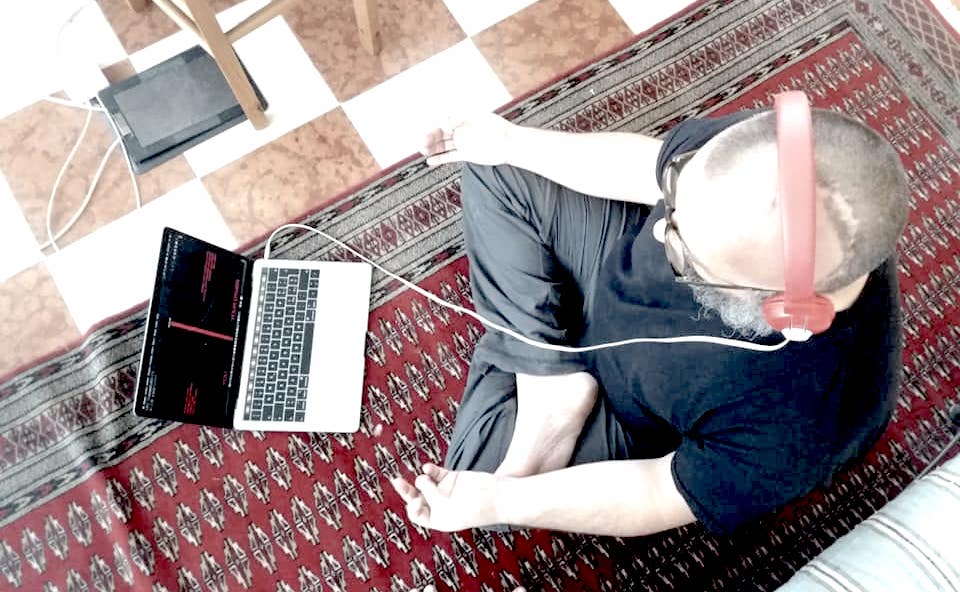 Starting on August 21 2020 in Trieste, AOS will be at the “ARTSITIC TECHNOLOGICAL INVESTIGATIONS” collective exhibit at the Museo d’Arte Moderna U. Carà, in Muggia, organized and promoted by Gruppo78. Salvatore Iaconesi and Oriana Persico will show Data...
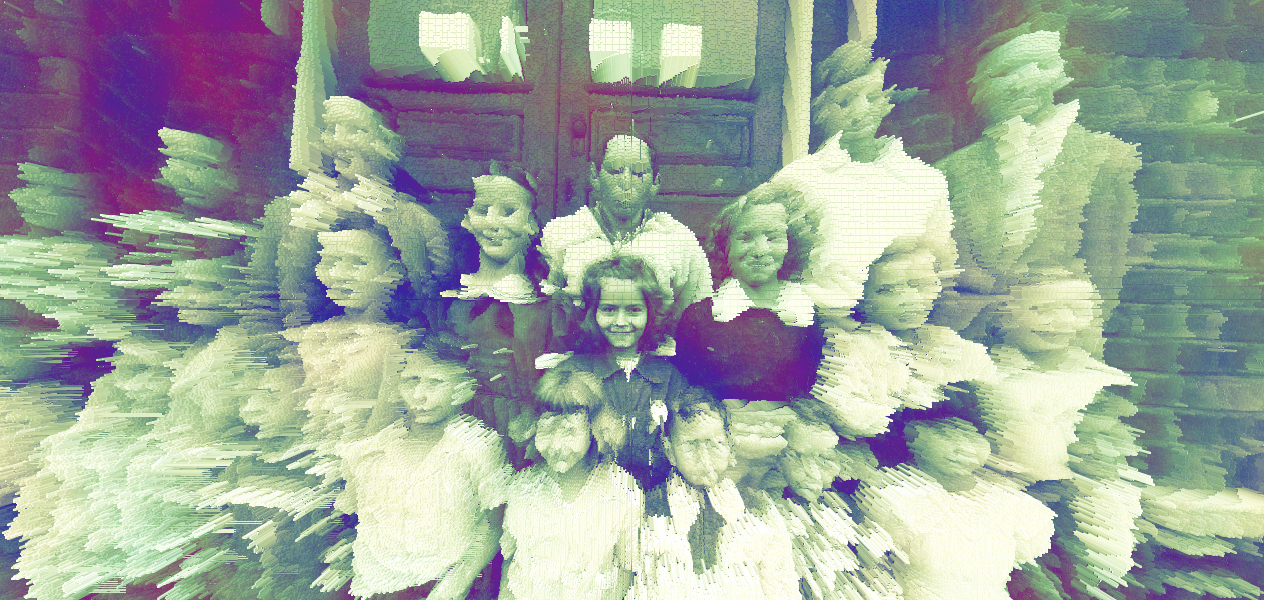 We will be in Rome for the FLxER audio visual performing arts project, where we will hold the meeting for the neighbourhood school which we’re launching with Human Ecosytems Relazioni. THIS is the Facebook event of the initiative. The events will take place at...
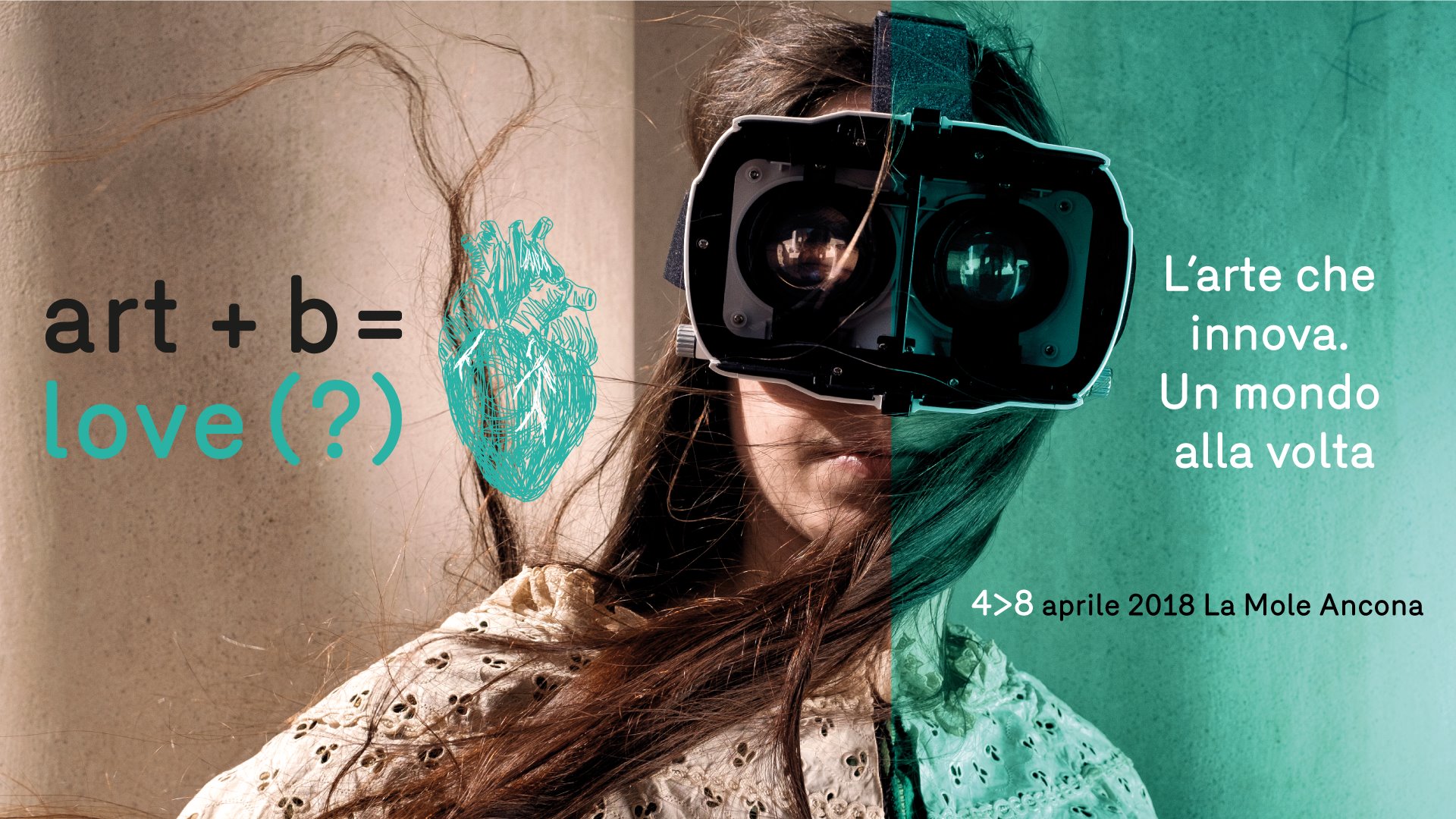 Artificial Intelligence has always been a focal point of our research here at AOS. Ever since our little AI kid, Angel_F, or through the Talker Performance, or with GhostWriter, or with Stakhanov, Artificial Intelligence has represented an important, extreme...
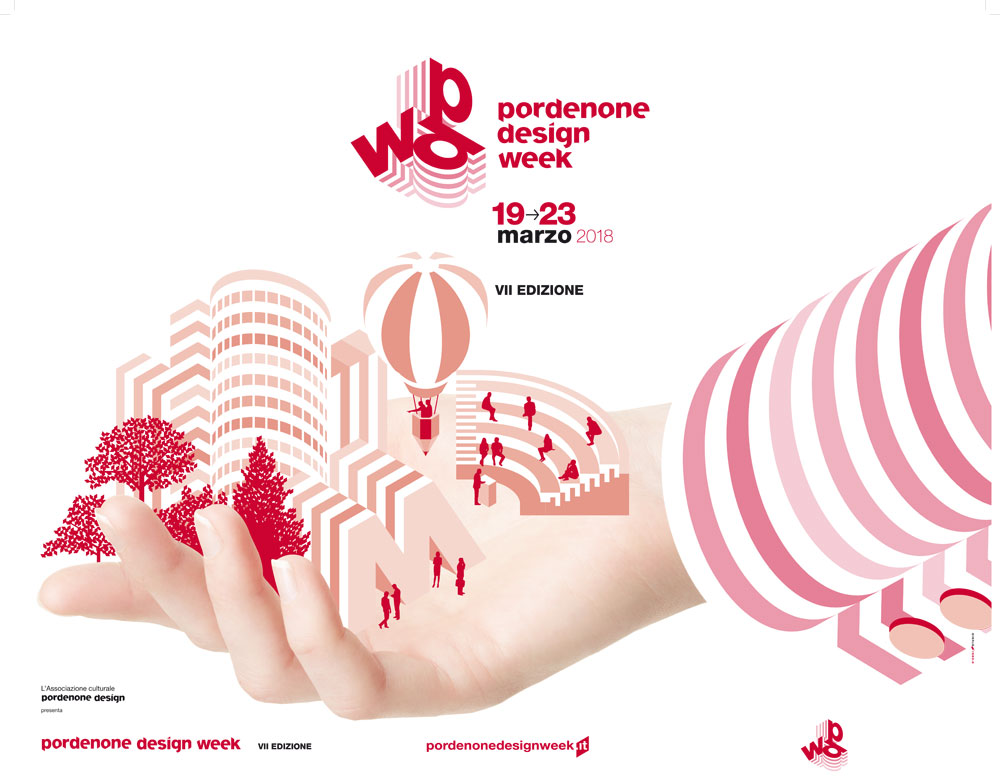 BodyQuake was featured at the Pordenone Design Week in an exhibit called Infoscapes curated by Pier Luigi Capucci, in the foyer of the Verdi Theater in Pordenone. Some info from Pier Luigi Capucci’s website: I have been invited, as in 2016, to Pordenone Design...
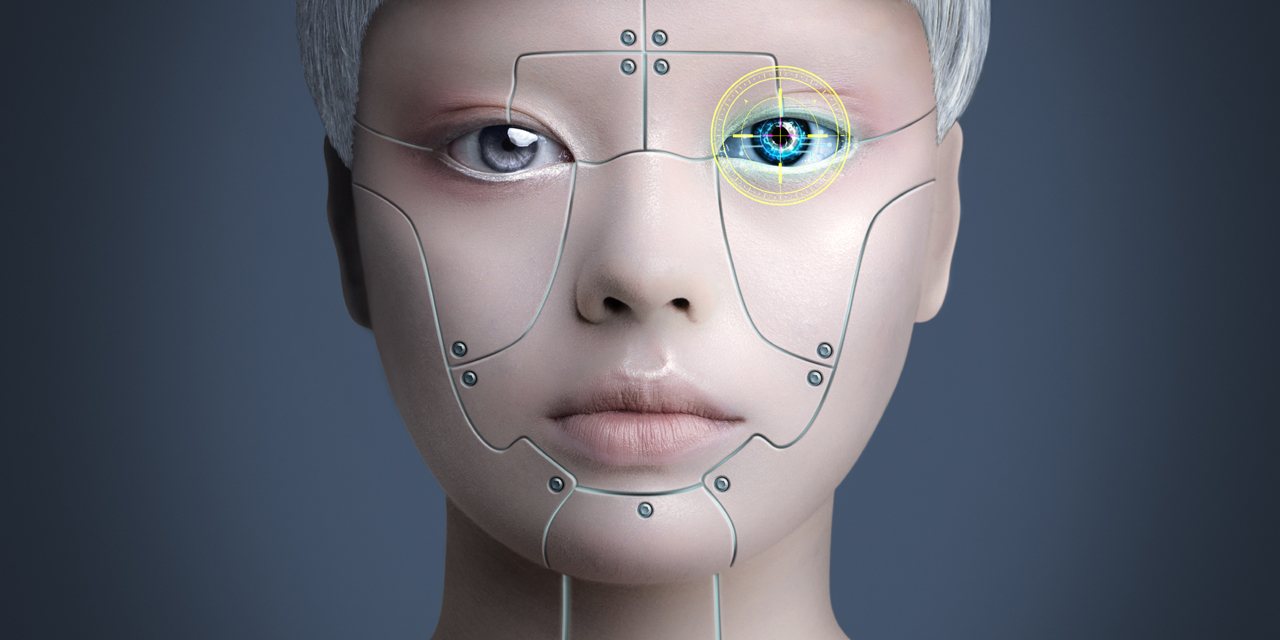 The HUMAN+ exhibit was conceived and first exhibited at Science Gallery at Trinity College Dublin. This new iteration of HUMAN+ is a coproduction of the exhibition by Science Gallery and Centre de Cultura Contemporània de Barcelona and will be exhibited at Palazzo...
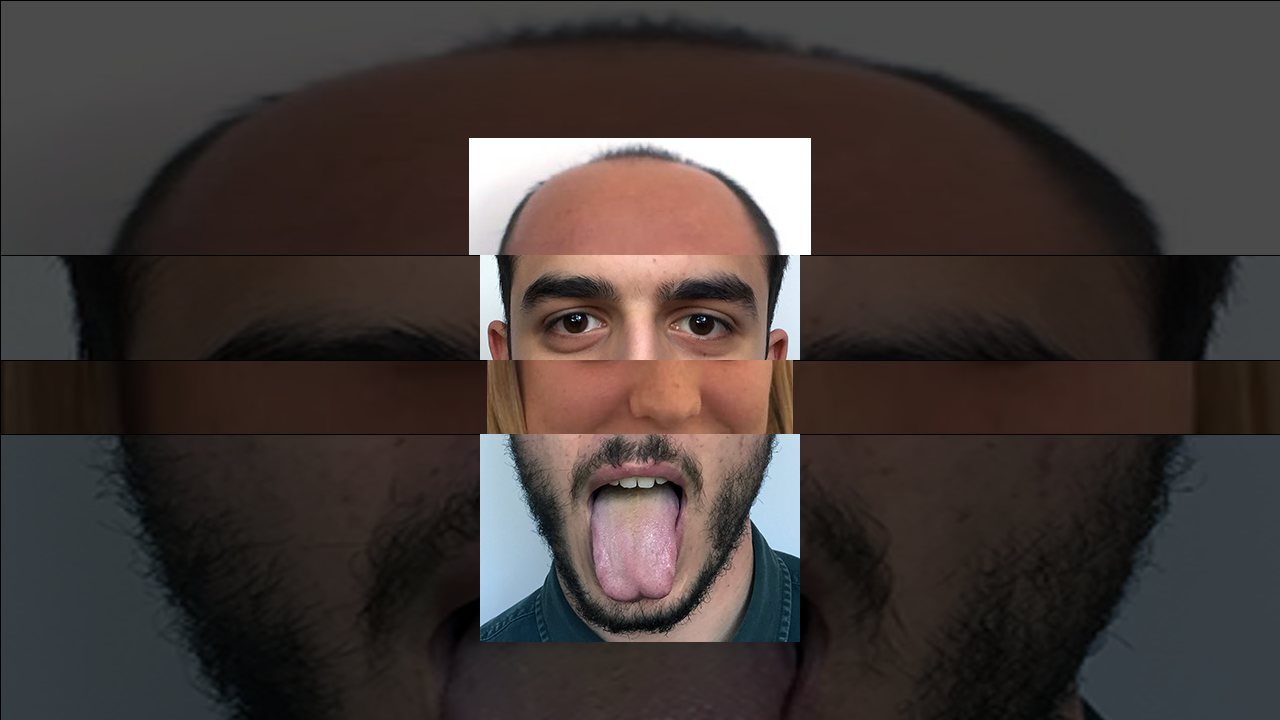 What is the self? What happens when this complex cultural apparatus is mediated through algorithms and technologies? How this transformations affect our public, private and intimate space? RemixID is a 3 day hands-on workshop to explore the boundary of the self and of...
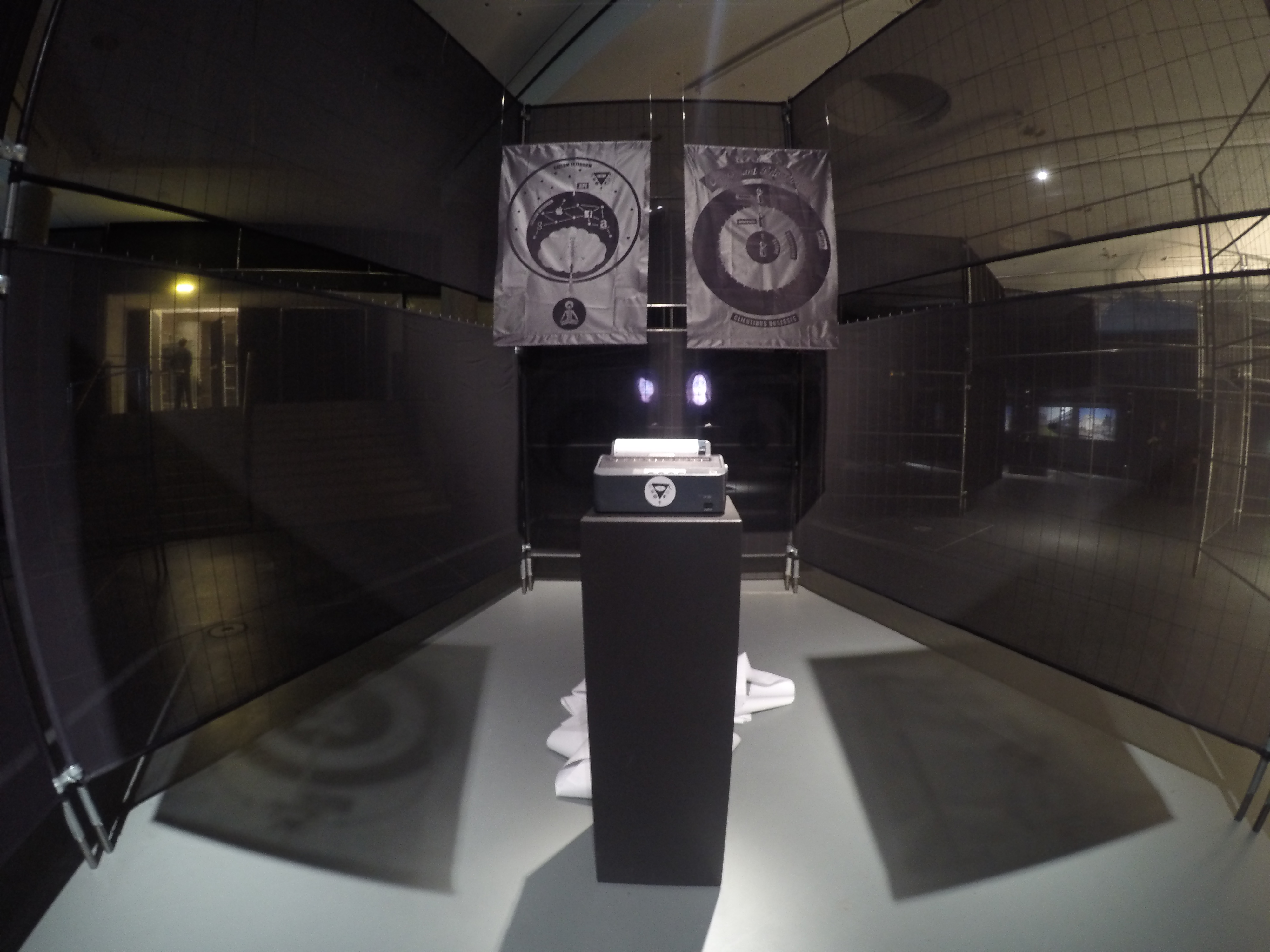 Stakhanov, the Big Data Oracle launched in 2015 at Transmediale, will be hosted at the Wrong Biennale in the Homeostase Pavilion in Brazil: capturing BigData from the city of Sao Paulo to understand the implications of predictive analysis on our daily lives....
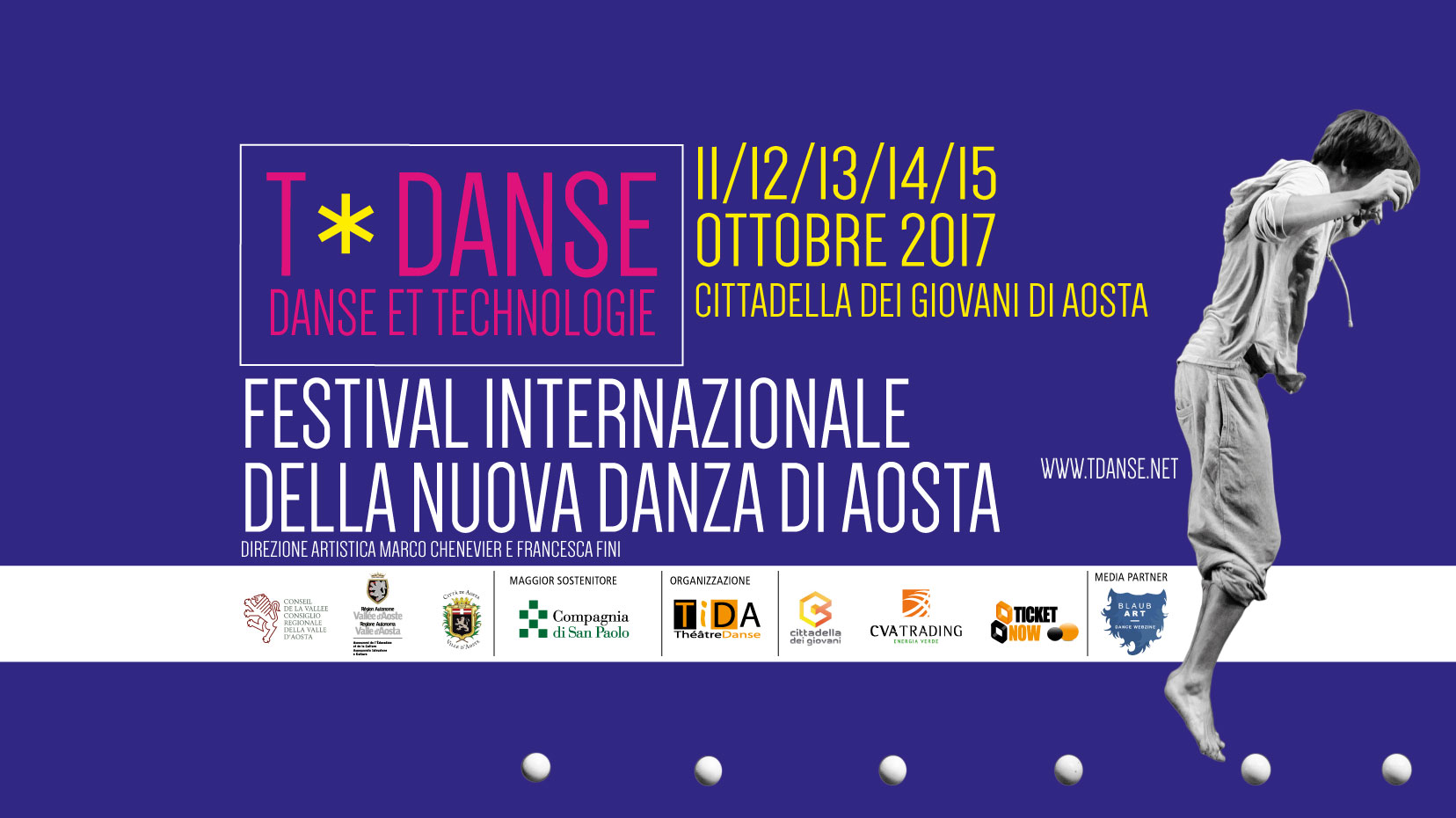 BodyQuake, the research project born in collaboration with Fondazione Neuromed, Human Ecosystems Relazioni, Live Performers Meeting, La Cura, AOS and AVNode, will be featured in Aosta during the T*Danse Festival 2017. The project is part of UltraCorpi, experimental...
 On June 28 and 29, the city of Brussels will host NetFutures 2017, the biggest conference co-organized by the European Commission to explore the future of Internet, economy and society. Art is Open Source and HER will be part of the STARTS – Science Technologies...
 From the 3rd to the 6th of July, the city of Bologna, with art*science will become a center for the international discussion on the opportunities and scenarios for collaboration between arts, sciences and technologies. It will also be one of the locations of the 50th...
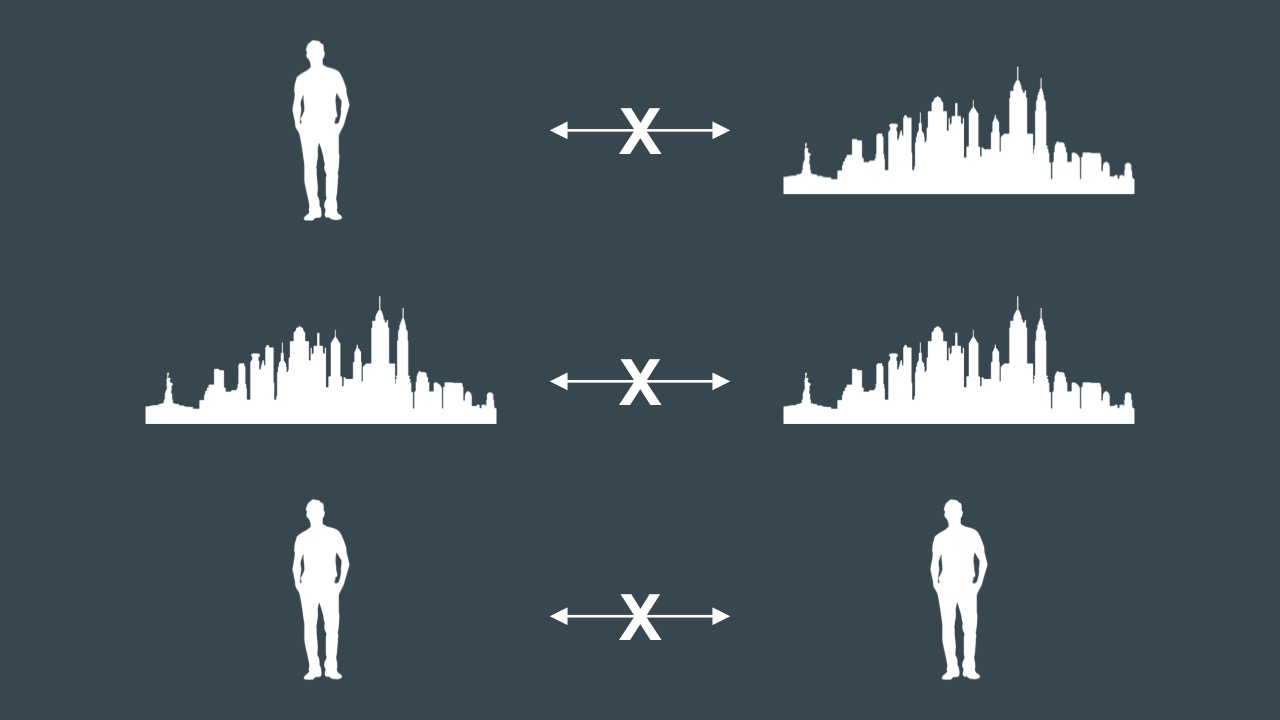 What happens when Filter Bubbles start producing effects in the physical space of the city? Separation. This is the concept of the Constrained Cities. Launched for the first time at the Post Internet Cities conference in Lisbon. For the Post Internet Cities conference...
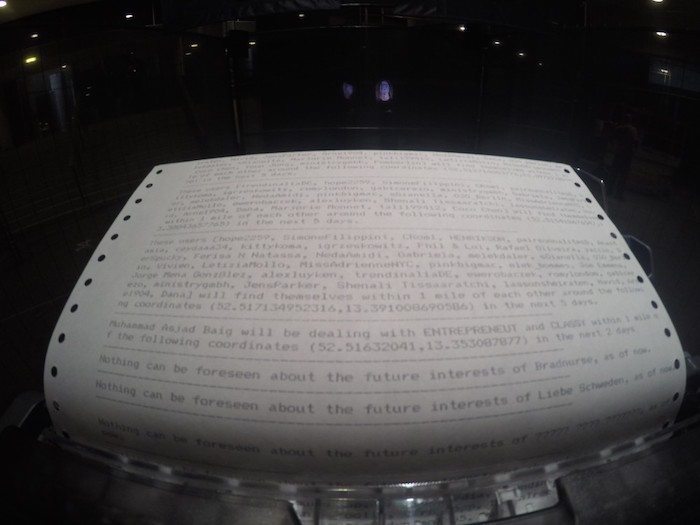 The new literary genre, the Algorithmic Autobiography invented with the GhostWriter project has been featured in a paper which was published on Digimag Journal #75. You can read the paper here: Algorithmic Autobiography: paper (PDF) Iaconesi, S., Persico, P....
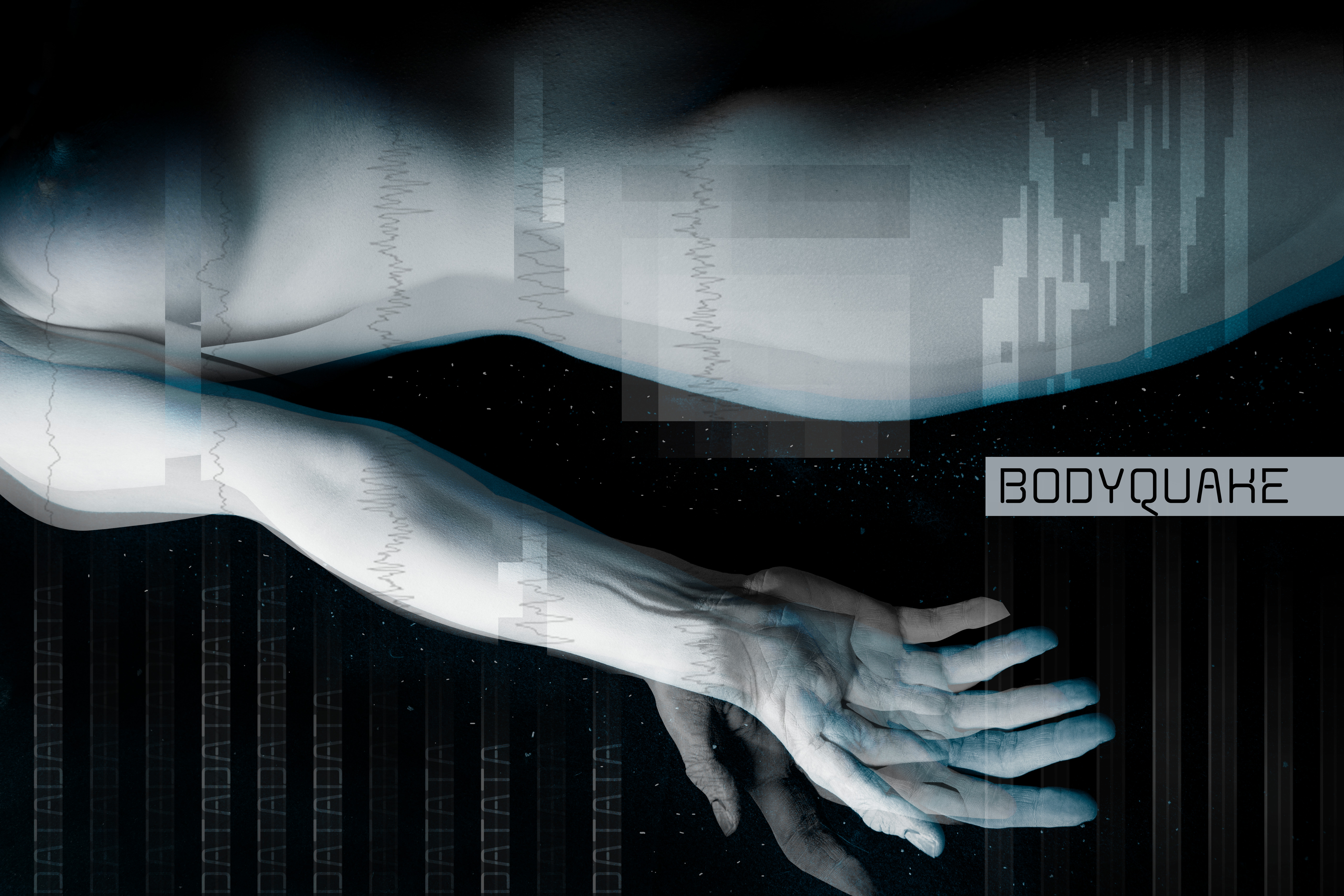 On May 3, 2017 UniFestival, the National University Students Festival in Macerata hosts a preview of “BodyQuake. Concert for Bodies + Data”. BodyQuake is a radical contamination between Arts and the Sciences. Who The project is the result of the...
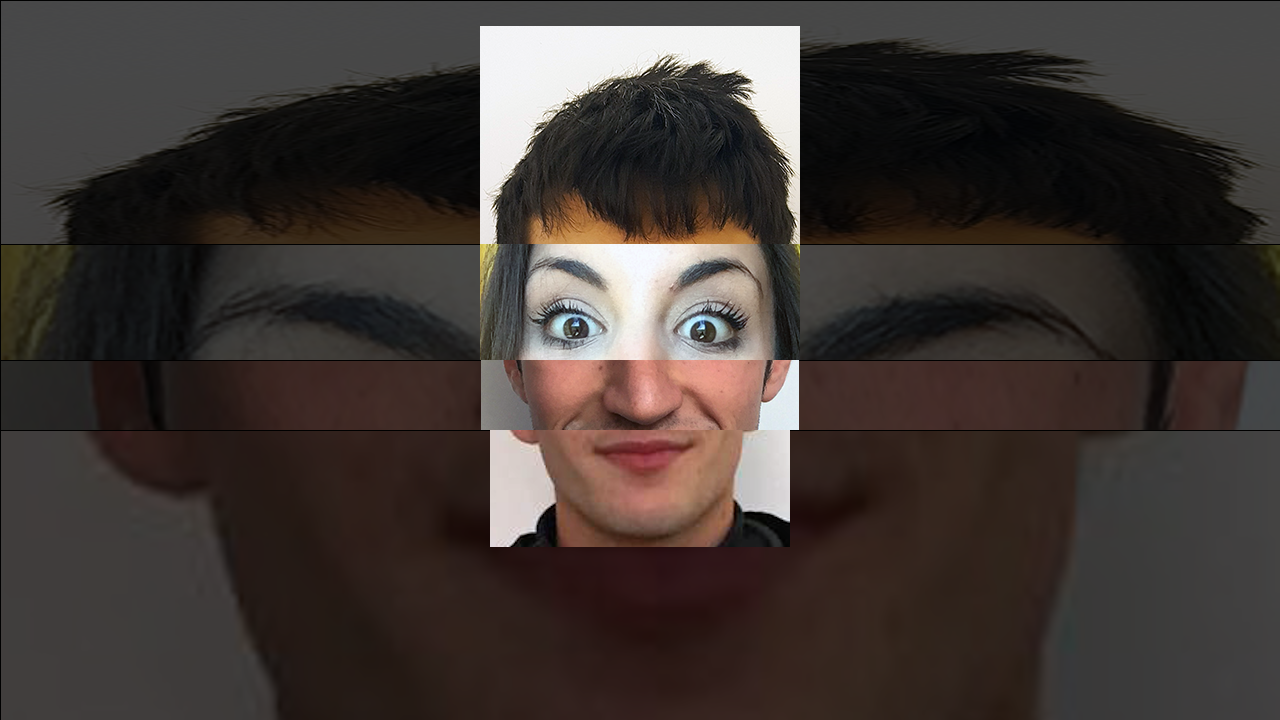 Take 43 faces. Divide each face in 4 sections: forehead, eyes, nose, mouth. Recombine them. The permutations are 43^4, that is 3.418.80 faces, that is 3.418.80 different identities. We took pictures of our faces. We used facial recognition algorithms, the technologies...
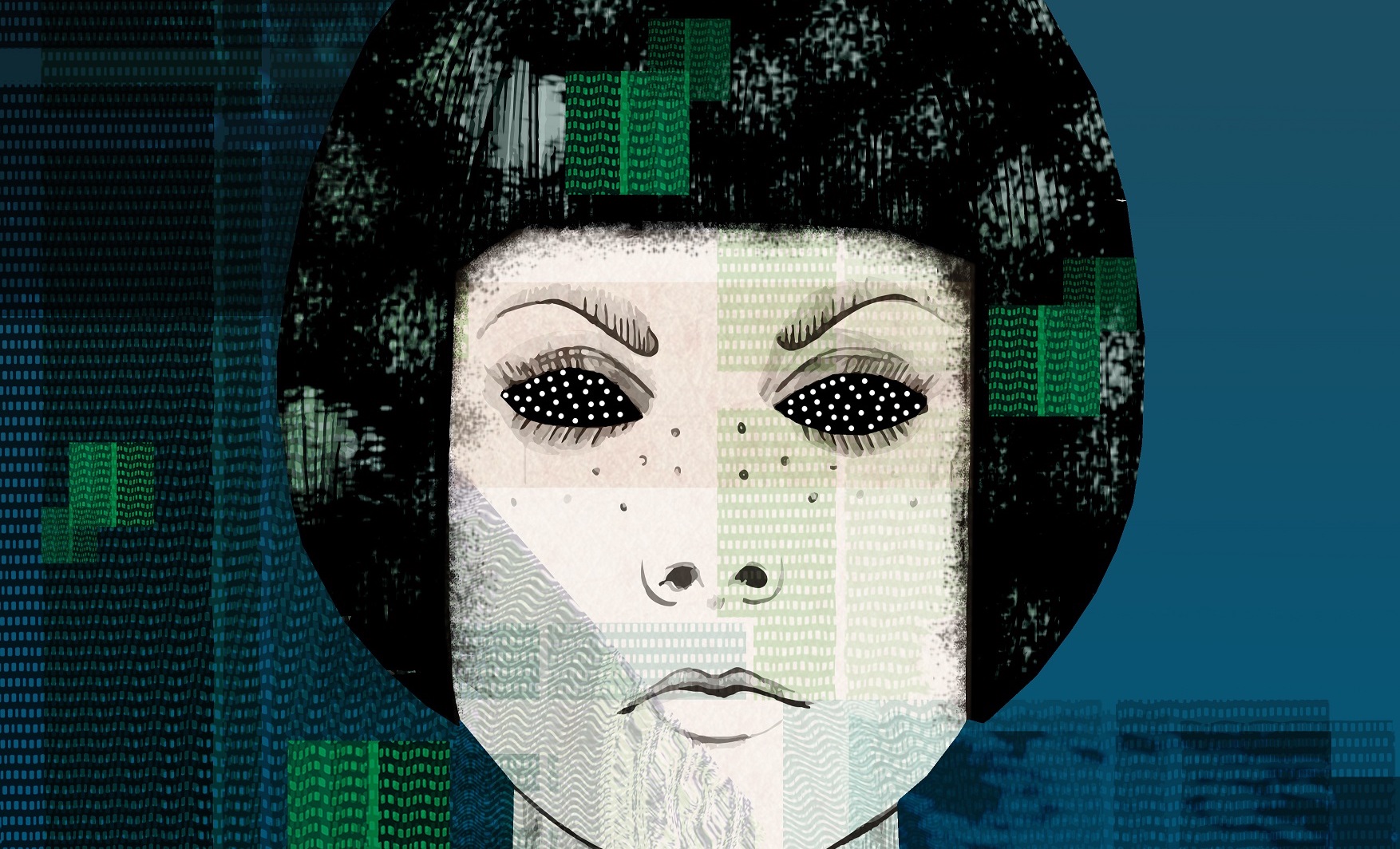 At Laboral, in Gijón, Asturias, La Cura meets the Monsters in the Machine, the exhibit and program which explores the updates of the “monster” and of the “machine” in Mary Shelley’s Frankenstein’s anniversary. La Cura participates...
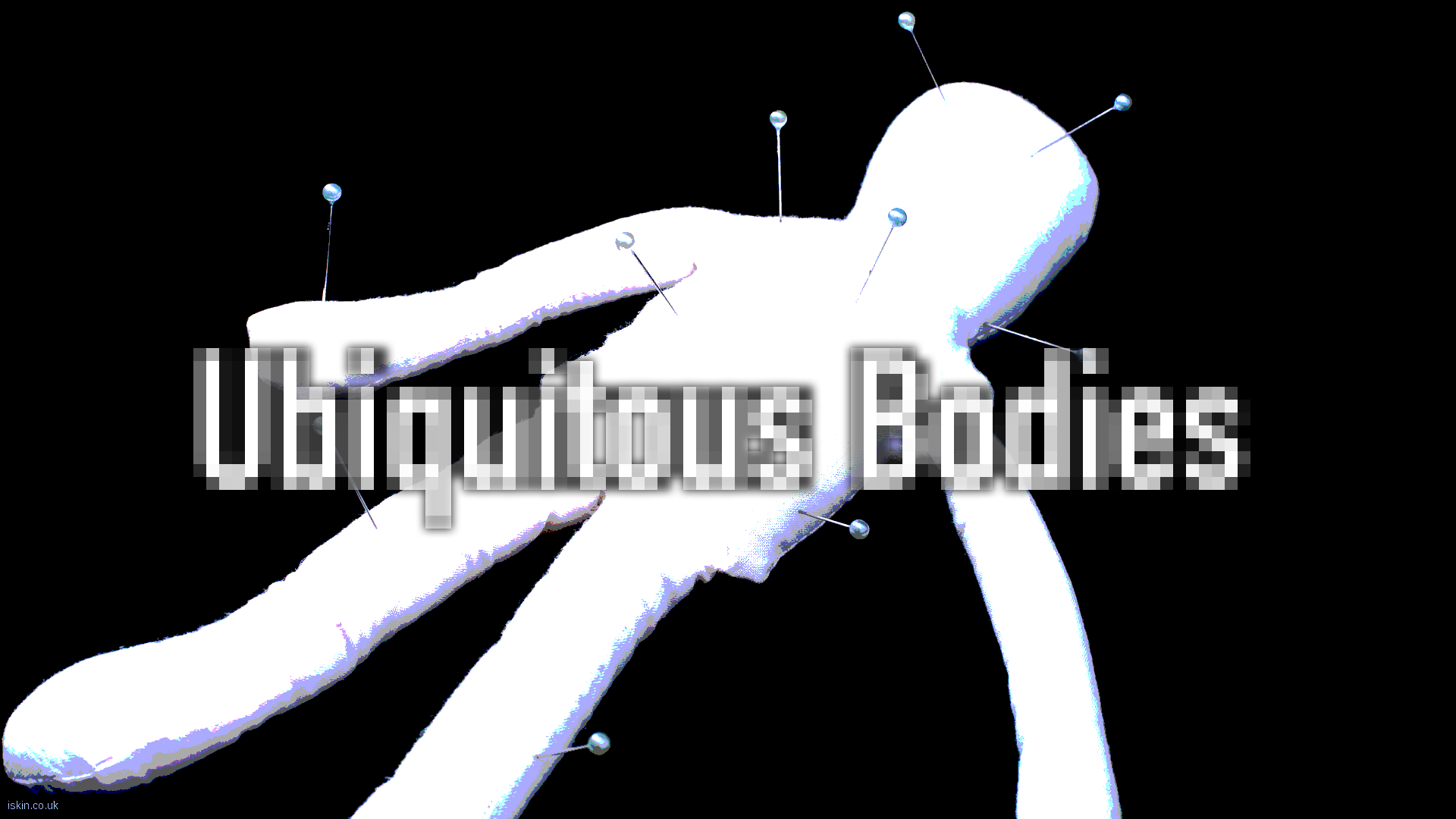 You can consider these to be the notes to the workshop which we will hold this week in Cyprus. During the workshop we will create a manifestation of the ubiquitous body: the idea according to which our essence cannot be meaningfully constrained into our physical,...
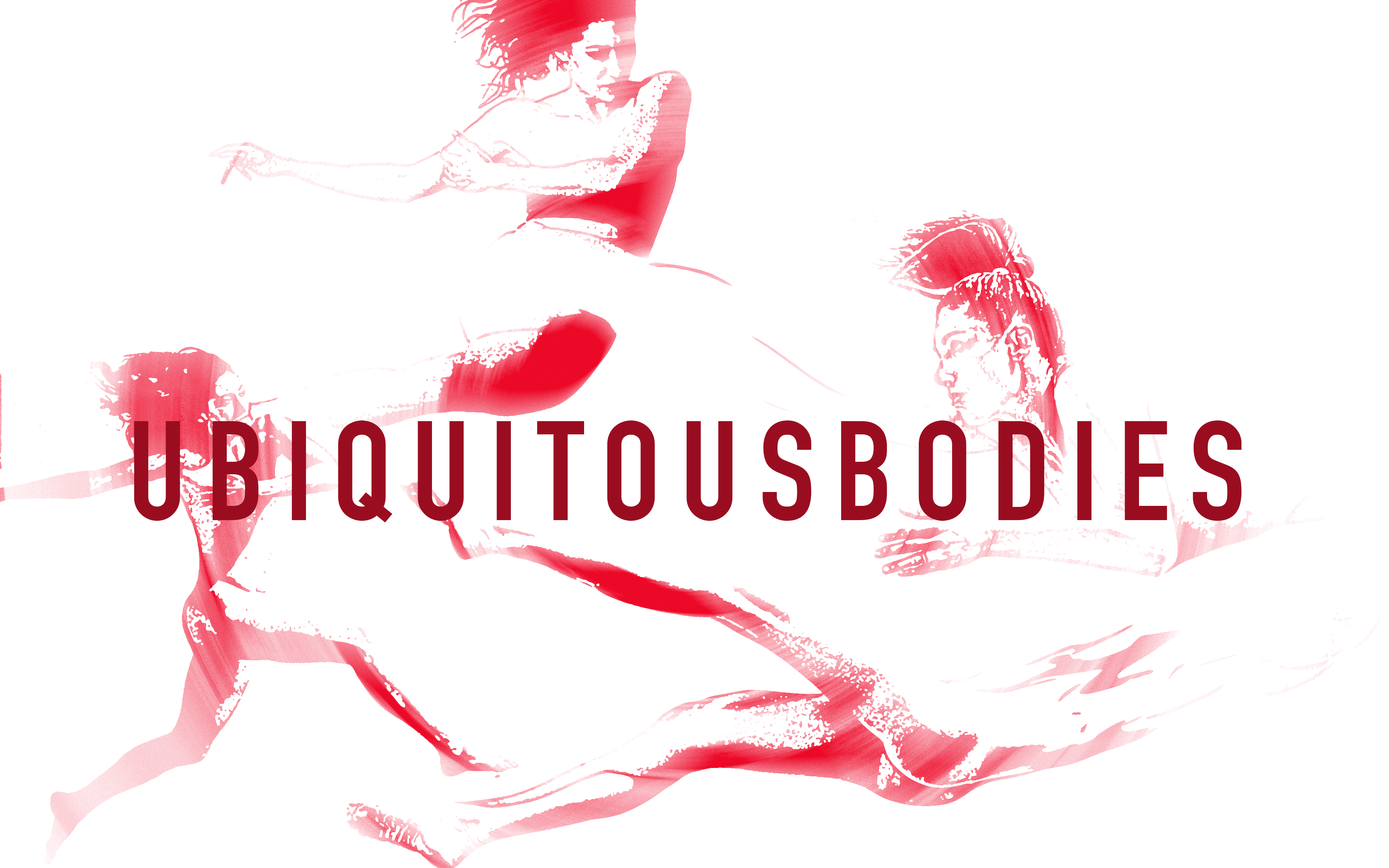 A workshop and exhibit at NeMe in Cyprus where we will create a manifestation of the ubiquitous body: a research on the implications of ubiquitous technologies and the perception of our bodies, their location in time and space, and the opportunities and risks which...
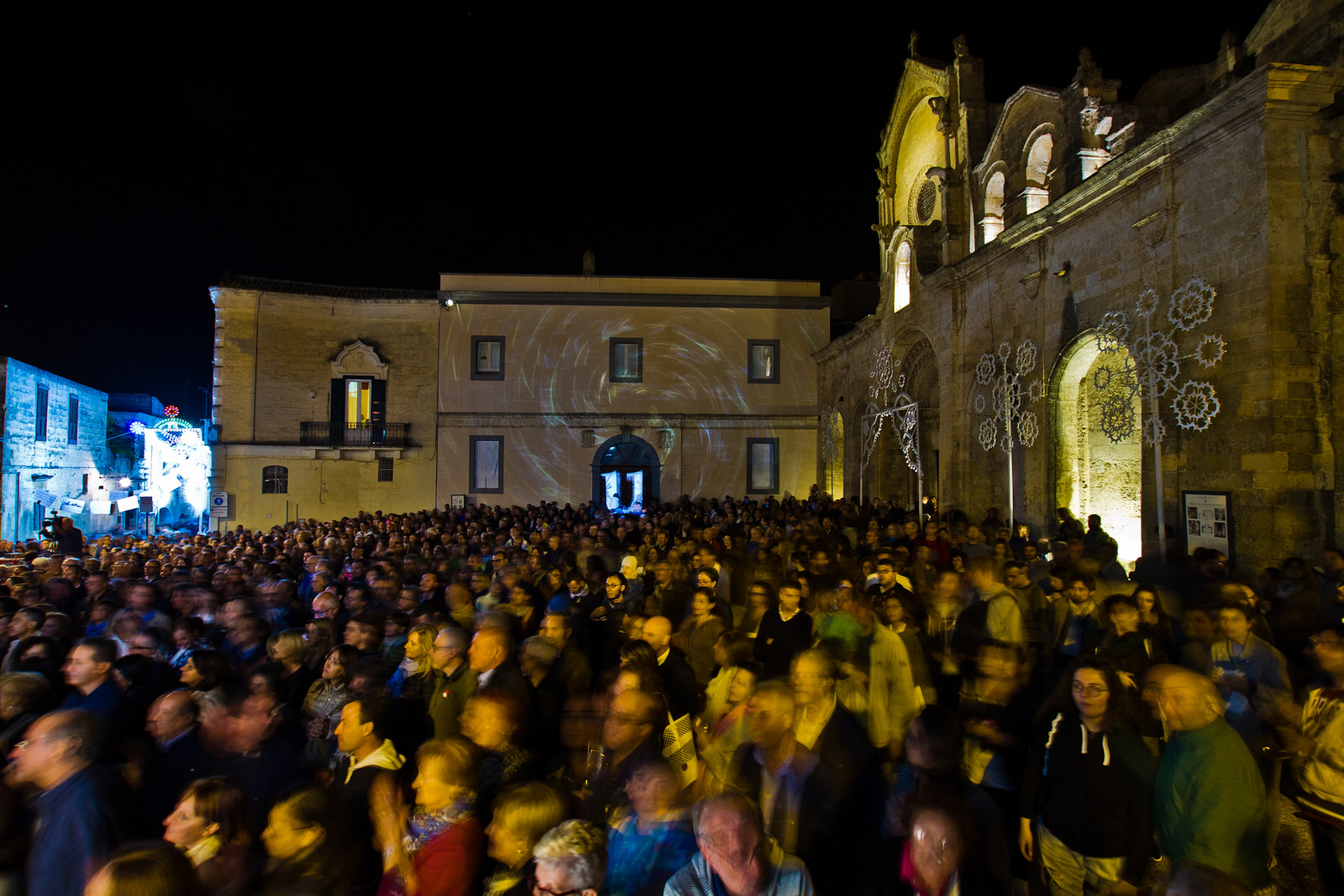 La Cura, together with Art is Open Source, Fondazione Matera-Basilicata 2019 and many other partners, have celebrated the 500th anniversary of Utopia by sir T. More, turning the city of Matera into a public laboratory to reinvent contemporary utopias. “Utopia is a...
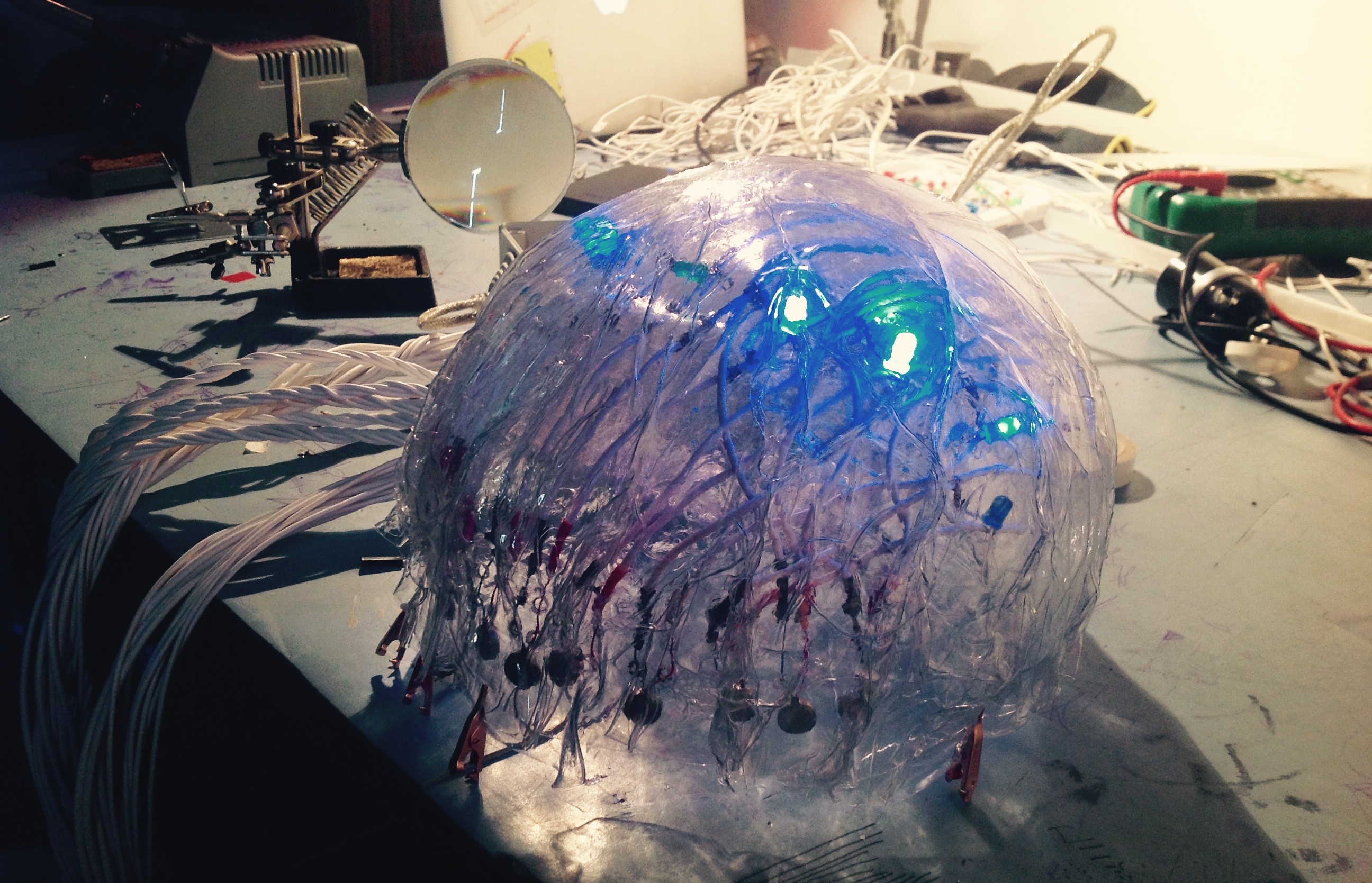 This September 3rd and 4th we will present Baotaz, a collaborative project through which we merged arts, sciences and technologies to formulate an hypothesis to create new models of interconnection among people and places, globally: a new augmented sense, a new...
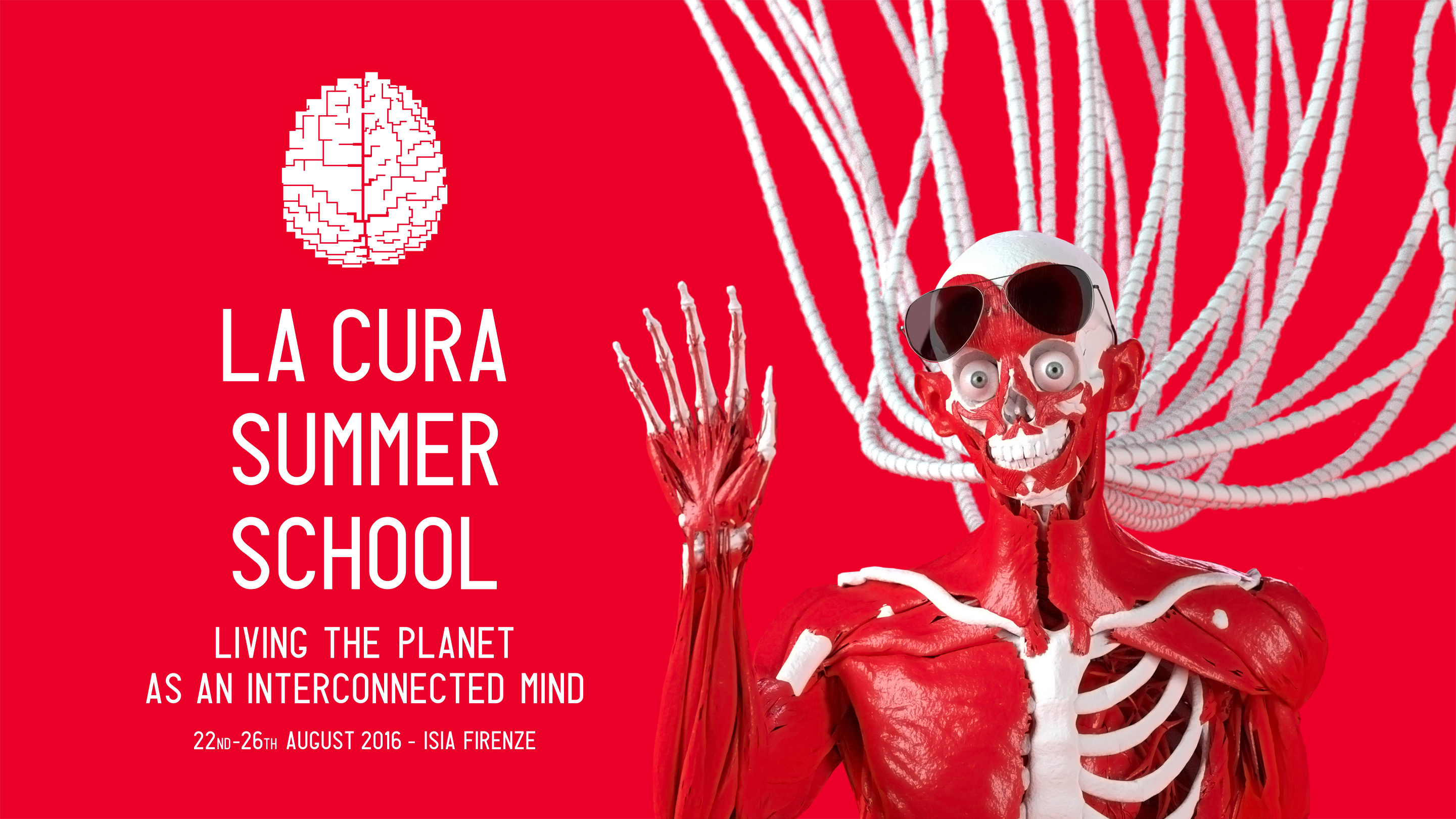 La Cura, with the collaboration of Nefula, ISIA Design Florence, La Triennale di Milano, Condividi la Conoscenza, Artribune, FabLab Toscana, Scuola Open Source, Human Ecosystems, Parcodiyellowstone and VideOfficine, will hold an international summer school on the...
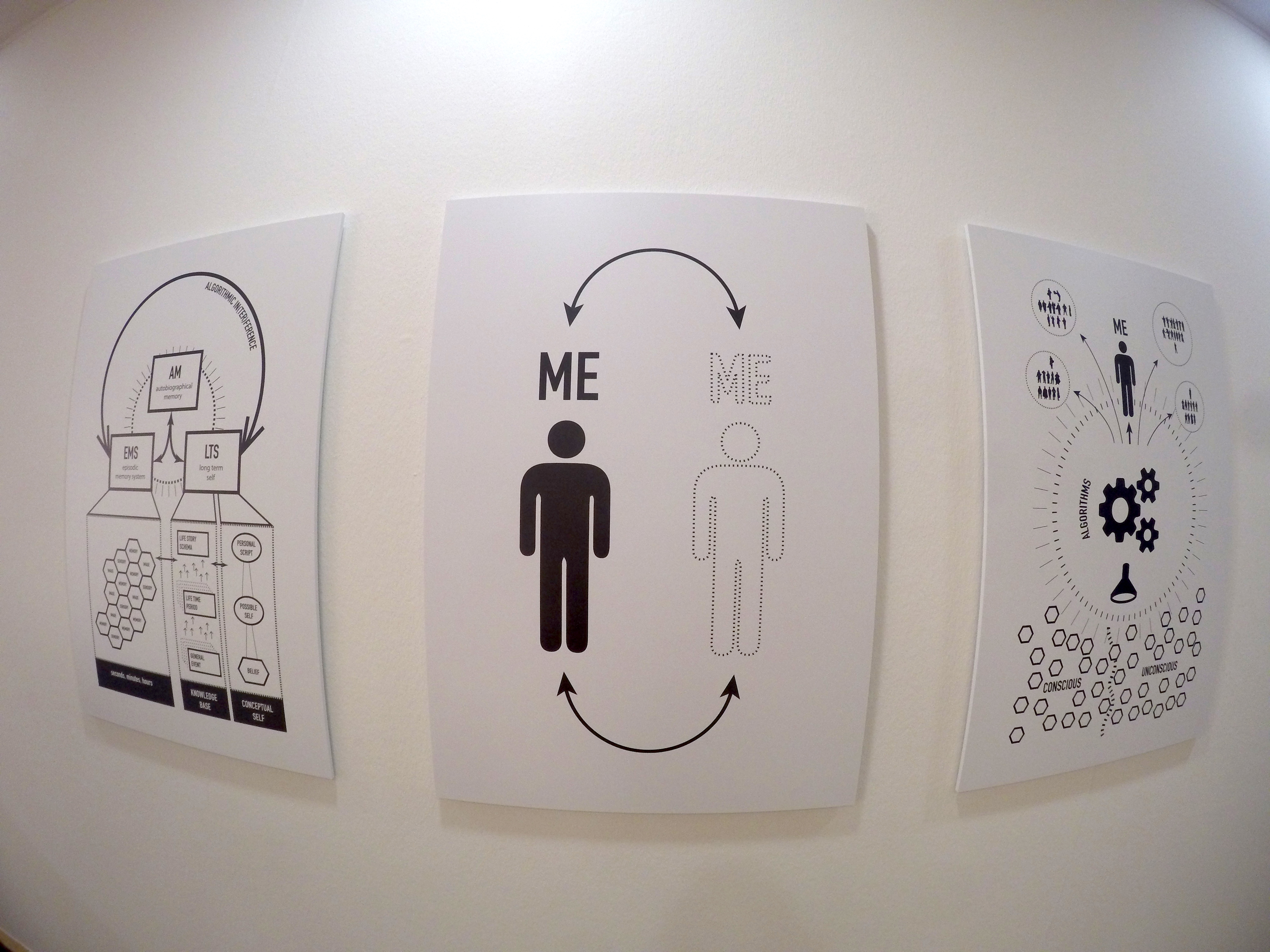 GhostWriter, our new literary genre, the Algorithmic Autobiography, will be exhibited at the MACRO Museum in Rome for the exhibit “Dall’Oggi al Domani. 24 Ore nell’arte contemporanea” (“From today to tomorrow. 24 hours in contemporary...
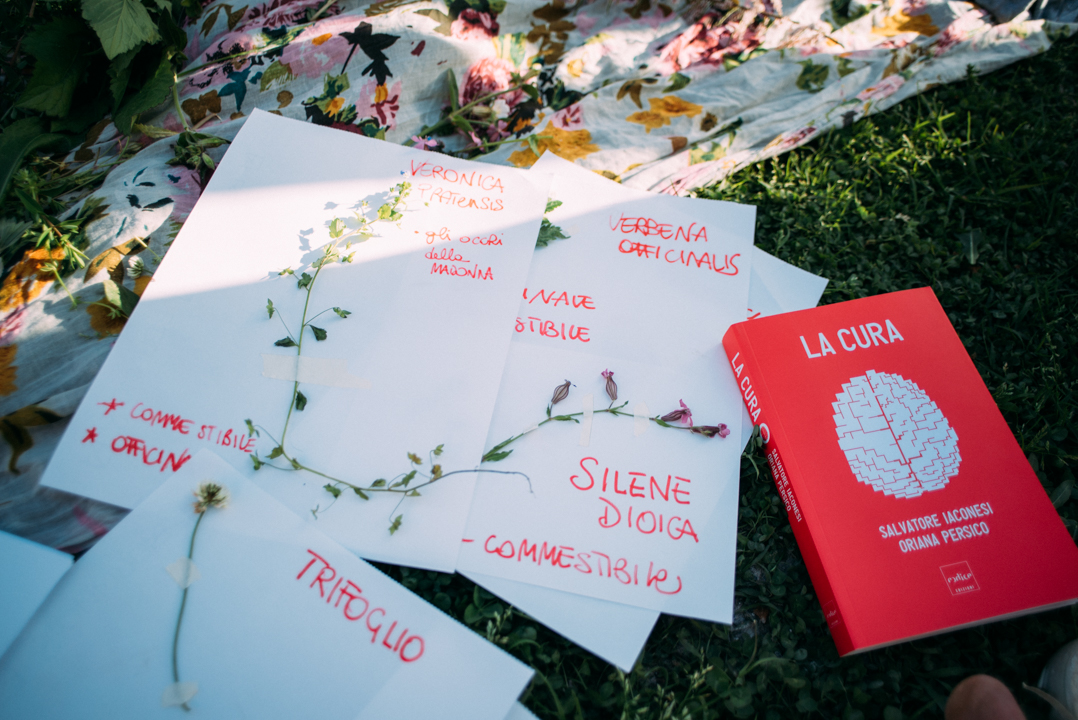 Updates from La Cura! Just back from the “Erbe Indisciplinate” workshop and we’re out with a report here: What happened at the “Erbe Indisciplinate” workshop. Take a look: many things emerged, as well as new directions for the near...
 Three new events for La Cura: a workshop at RuralHub exploring the connections between nature and radical innovation; a workshop on transgression and innovation at the Federico II University in Naples; and a conversation with a philosopher and a cyborg at the same...
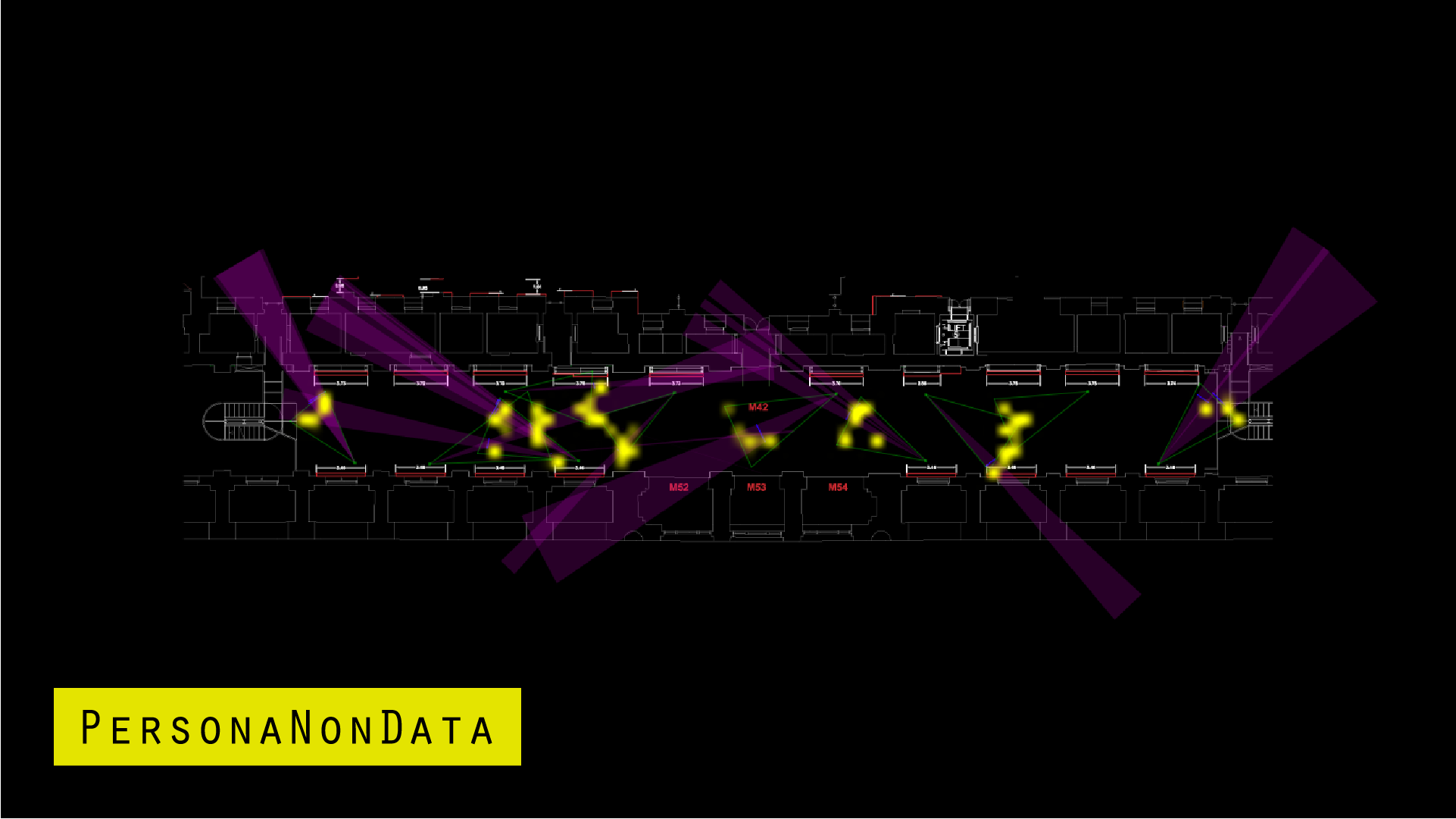 “Persona Non Data”: Art in the age of Big Data Full information at: http://artisopensource.net/persona-non-data/ An interactive installation shows how art can join research and technological innovation in the understanding of the cultural transformation in...
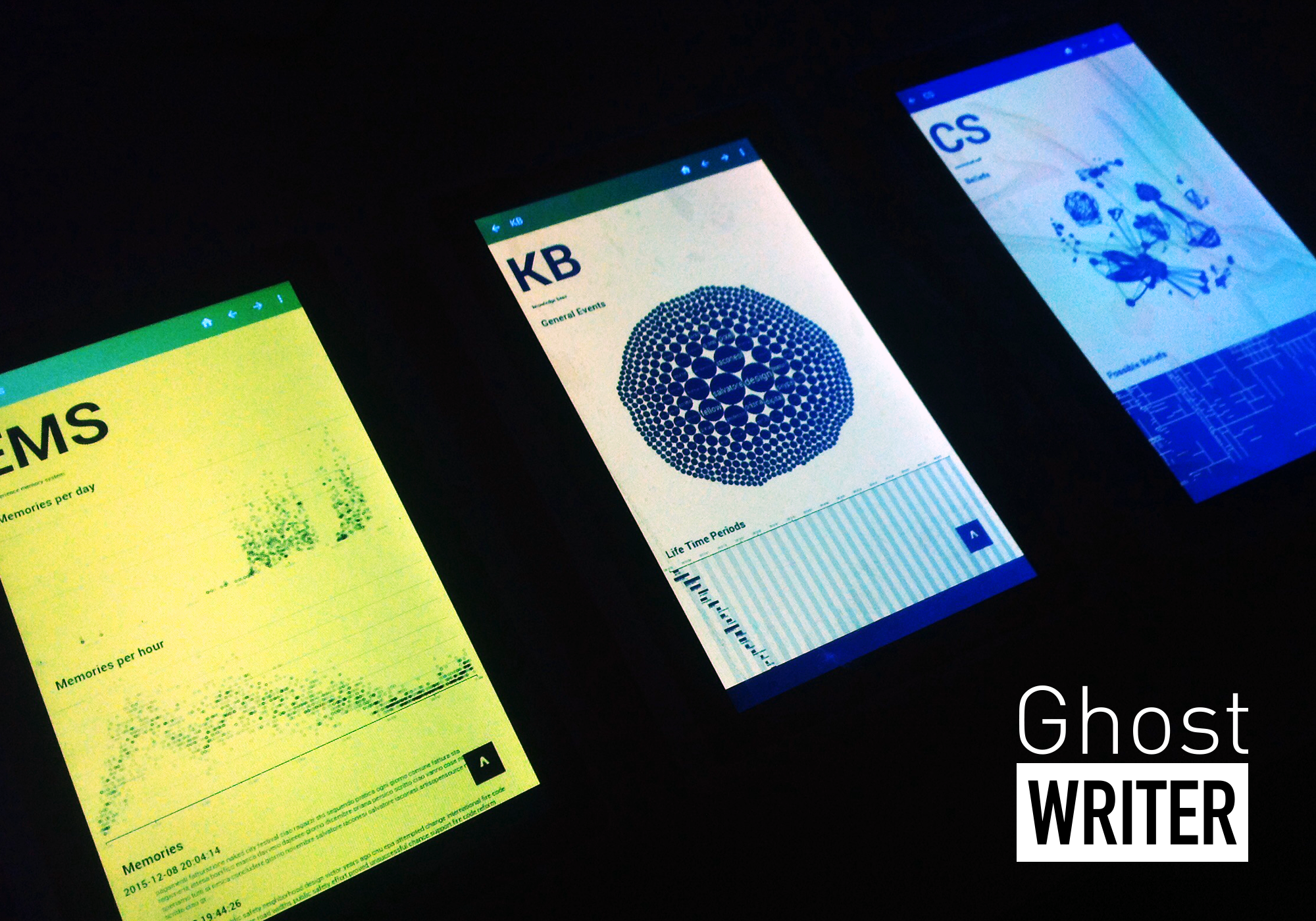 GhostWriter is a new project by Art is Open Source. A new literary genre to explore the mutation of the narration of self: the algorithmic autobiography. Launched for the Streaming Egos project with the Goethe Institut and with the curation of the Italian group by...
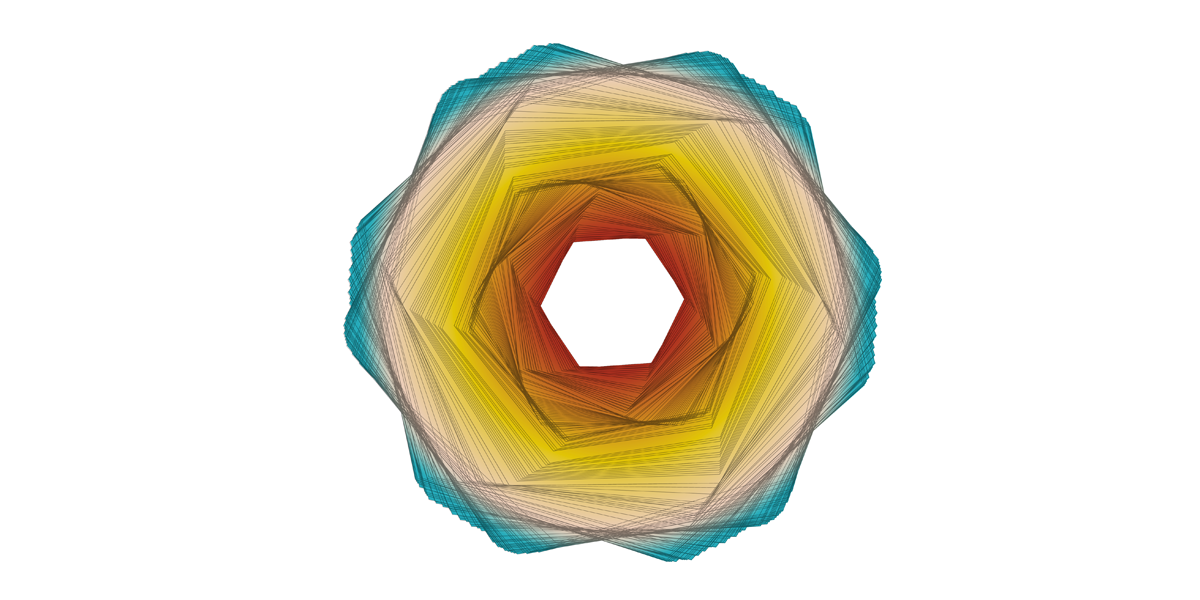 ‘I think that more and more we all understand that innovation in the future will be on the intersection of arts and sciences.’ (video)– Commissioner Carlos Moedas ‘Artistic creativity and critical thinking are essential for innovation in...
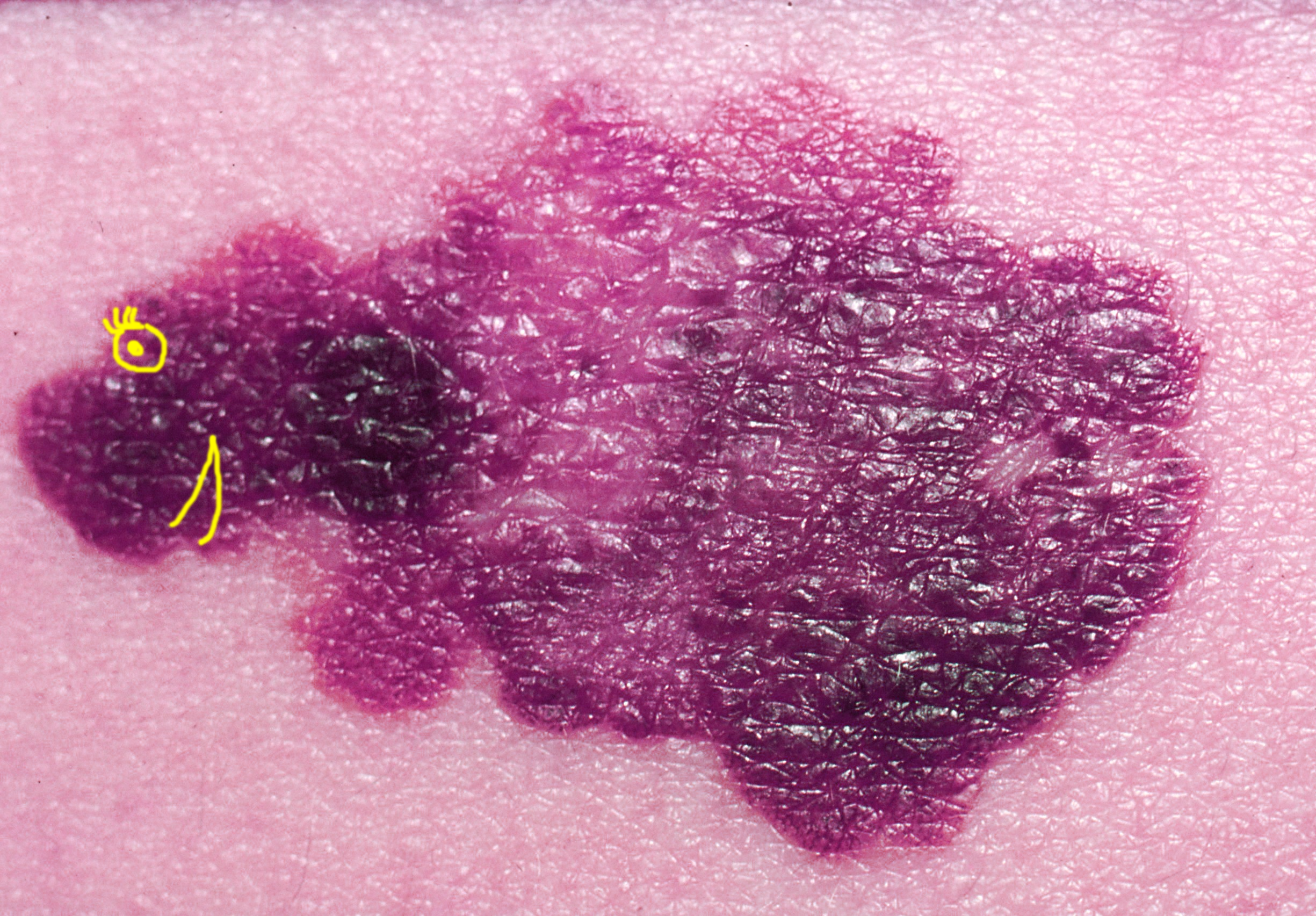 Join us in Capri from October 20th to November 1st for Hacking Melanoma! Hacking Melanoma will be a hackathon dedicated to the technological, social and relational aspects of e-health, and explicitly dedicated to the diagnosis and cure of Melanoma, skin cancer, one of...
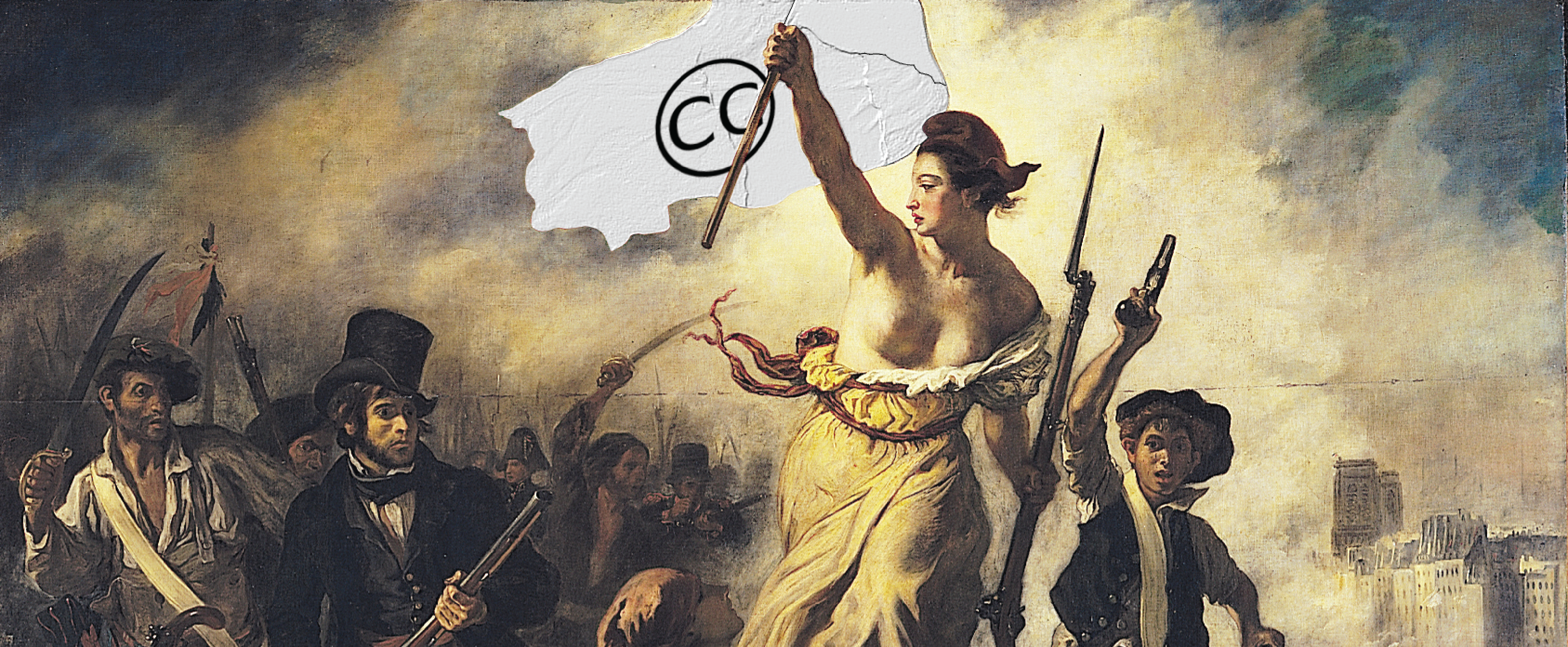 The book “Patterns of Commoning” edited by David Bollier and Silke Helfrich is out. From the book’s website: In Patterns of Commoning, more than sixty frontline activists, academics and project leaders from twenty countries explain how commoning is...
 After its very first launch in Rome in September 2013 with EC(m1), after the Festival dell’Innovazione in Bari, Human Ecosystems goes back to Italy with a new project sponsored by the City of Bologna, with the support of ANCI – National Association of...
 Some times has passed after Ars Electronica 2015, and our participation to its exhibit and to education programme with the Myriads project, part of the Human Ecosystems and of the Ubiquitous Commons. In this post we wish to share some images from the exhibit, some...
 Ubiquitous Commons and Human Ecosystems will be at the “Hybrid City III: Data to the People” conference in Athens, on September 17-19, organised by the University Research Institute of Applied Communication (URIAC), in collaboration with New Technologies...
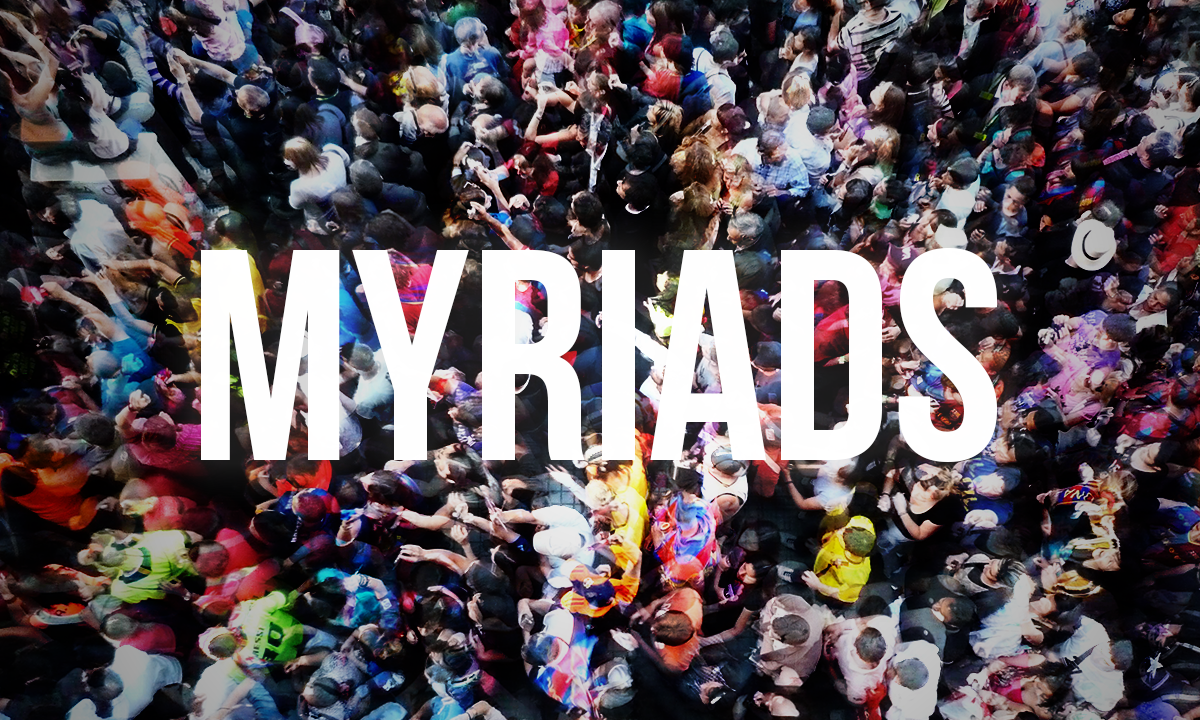 This year, Art is Open Source, Human Ecosystems and Ubiquitous Commons will be featured at Ars Electronica, as part of the Post City Kit exhibition, with the Myriads project (part of the wider Ubiquitous Infoscapes project). From Ars Electronica’s website: Post...
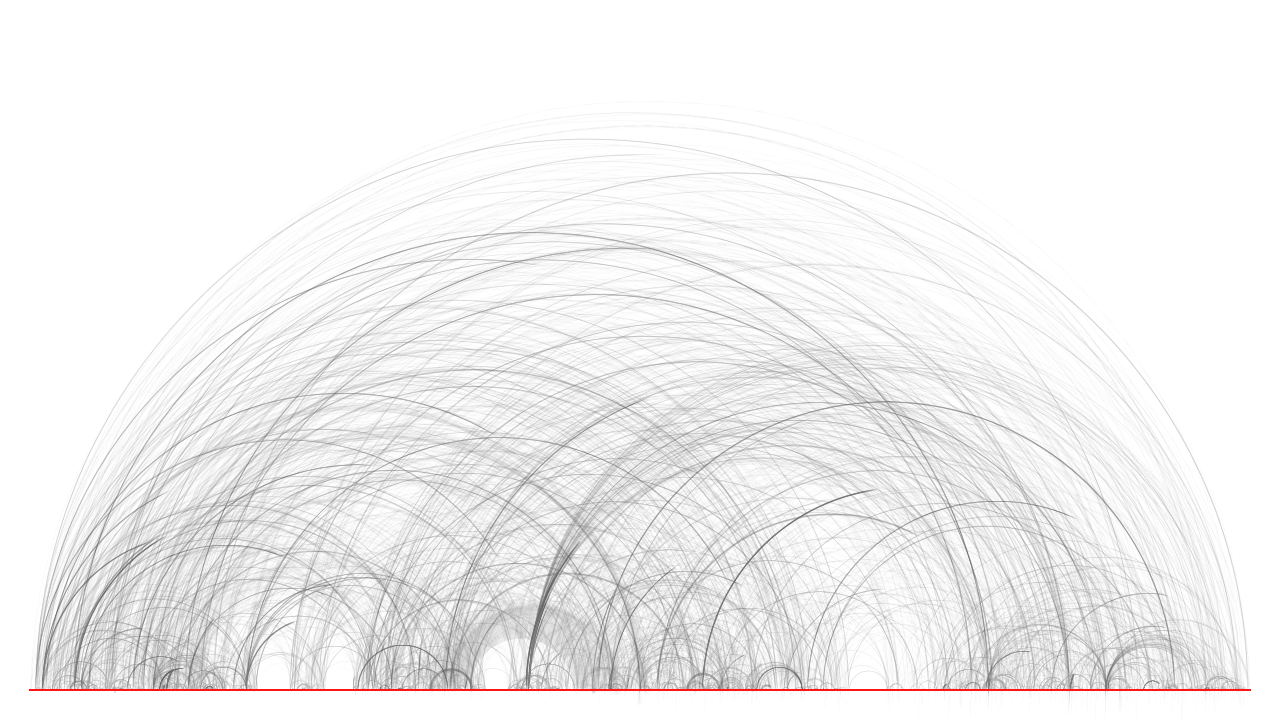 Human Ecosystems at Expo Aquae in Venice, August 1st 2015, at 11am. Full information about the event is on Human Ecosystems. How do we speak about water? How do we relate? What are our fears, concerns, important issues, joys and anxieties about water? We have captured...
 La Cura, My Open Source Cure for Cancer, has been featured as La Cura as TED talk of the day. Go check it out! It is a wonderful chance to announce that the book about La Cura is coming out soon, with amazing features. The book, coming out soon after the summer, will...
 This article is the translation of our contribution to the book: ” I Media Digitali e l’Interazione Uomo-Macchina” edited by Simone Arcagni, and published by Aracne Editore. You can download it here on Art is Open Source: The Third Infoscape The Third...
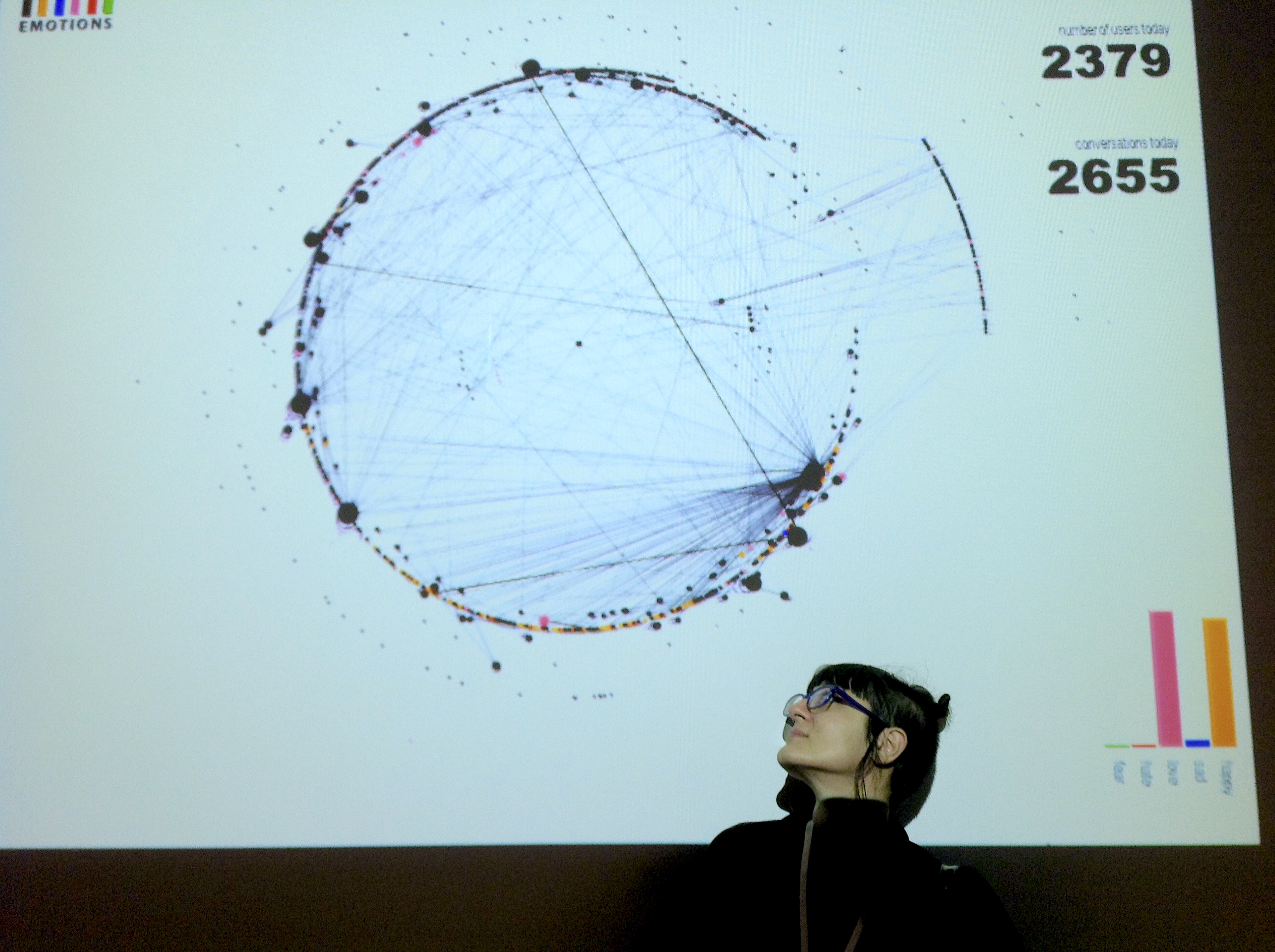 Who are the women who are co-creating the P2P Society? Luckily, they are many. Today, the P2P Foundation has featured one of them: our very own Oriana Persico, aka penelope.di.pixel. From the Italian Senate, to cyber-ecology, passing through arts and scientific...
 from Ubiquitous Commons at the STARTS Symposium in Brussels, June 2015 Ubiquitous Commons will be at the STARTS Symposium in Brussels, on June 22-23 2015. Promoted by ICT Art Connect, STARTS begins to explore opportunities for piloting cross-sectorial collaboration to...
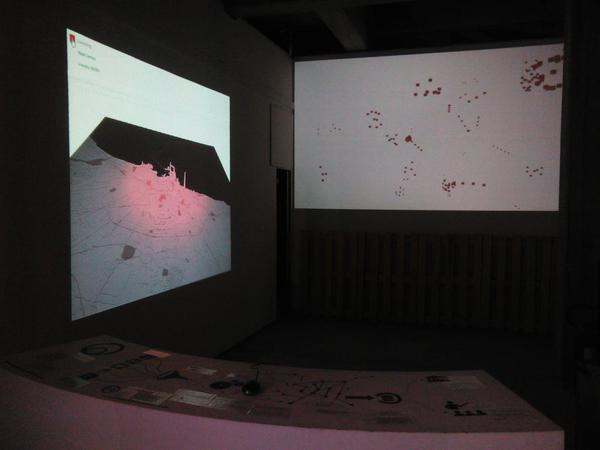 Art is Open Source and Human Ecosystems, together with Nefula, and Ubiquitous Commons, performed an interactive exhibit, a workshop and talk in the city of Bari during the Festival dell’Innovazione 2015. The exhibit “HE/BA – Human Ecosystems...
 Join us in Milan for Wired’s NextFest. Art is Open Source, Nefula and Ubiquitous Commons will be there for an exploration on the implications of technologies and networks on our near-future lives. On May 24th at 10:30 in the Giardini Porta Venezia Nefula will...
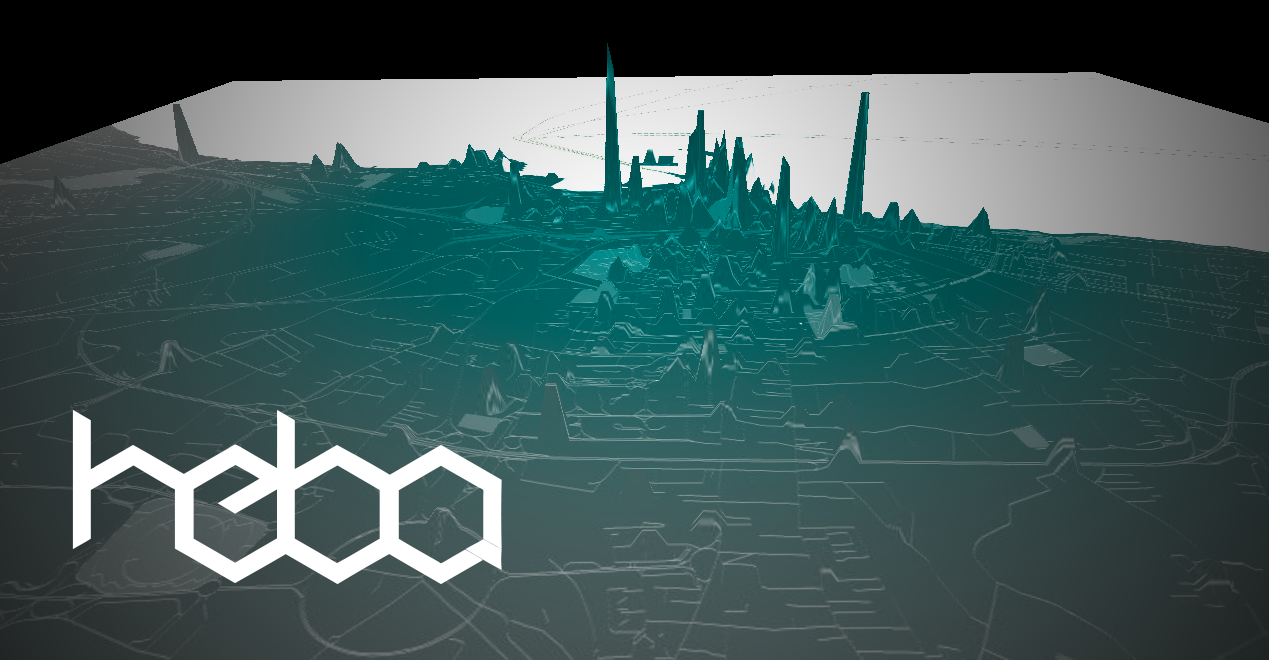 Join us in Bari on May 21-23 2015 for the “Festival dell’Innovazione” together with Art is Open Source, Human Ecosystems, Nefula and ISIA, for a workshop on the Human Ecosystems and a Human Ecosystems installation about the real-time digital life of...
 Come with us on June 3rd for a performative, full day workshop at King’s College in London in which we will experiment just how much data we generate as human beings, citizens and members of communities. Register here! Using the Human Ecosystems we will learn...
 Time again for Cyber Resistance at Il Cantiere in Milan, in April 10-11 2015. This year we will talk about the Ubquitous Commons: how to claim back your data from online services, and decide how it should be used. The Ubiquitous Commons is an international research...
 Join us in Rome, from Feb. 25th to March 1st for the Media Arts Festival, organized by Fondazione Mondo Digitale. We will talk about creativity, education, the possible future of the arts, and we will hold a workshop on the Human Ecosystems. Art is Open Source will be...
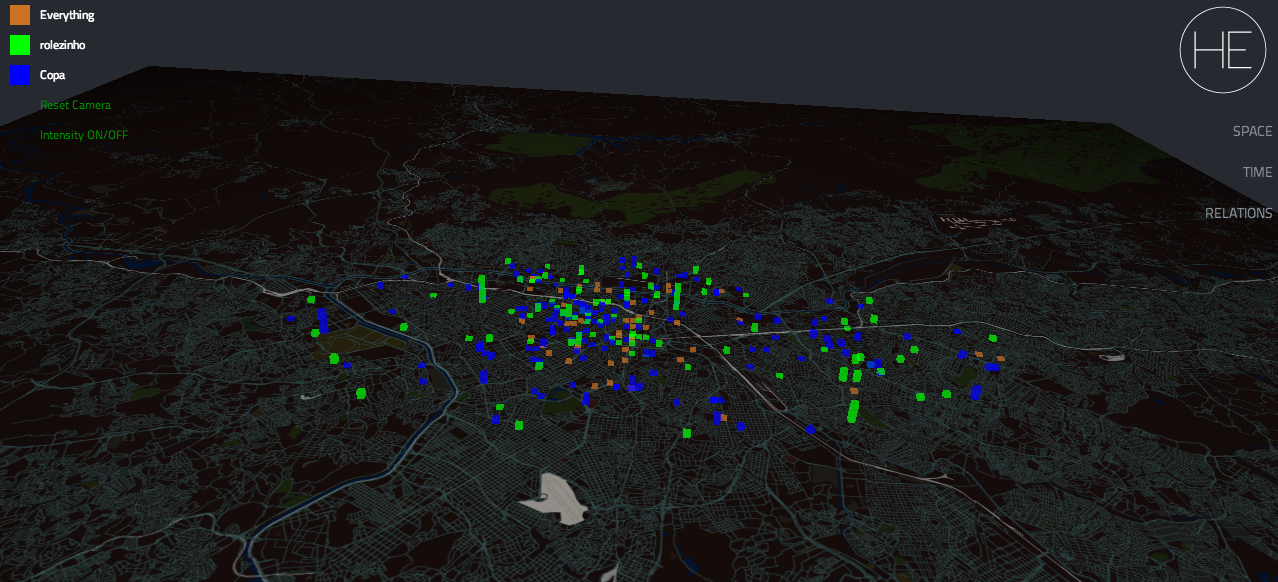 Join us on February 28-28 2015 in Rome,at the Ex Cartiera Latina ( in beautiful industrial complex deep in the Appia Antica Regional Park, in Via Appia Antica, 42) for the 2NC Fest, Multipli-Cities, a biennial event on urban multimedia narratives, offering a focus on...
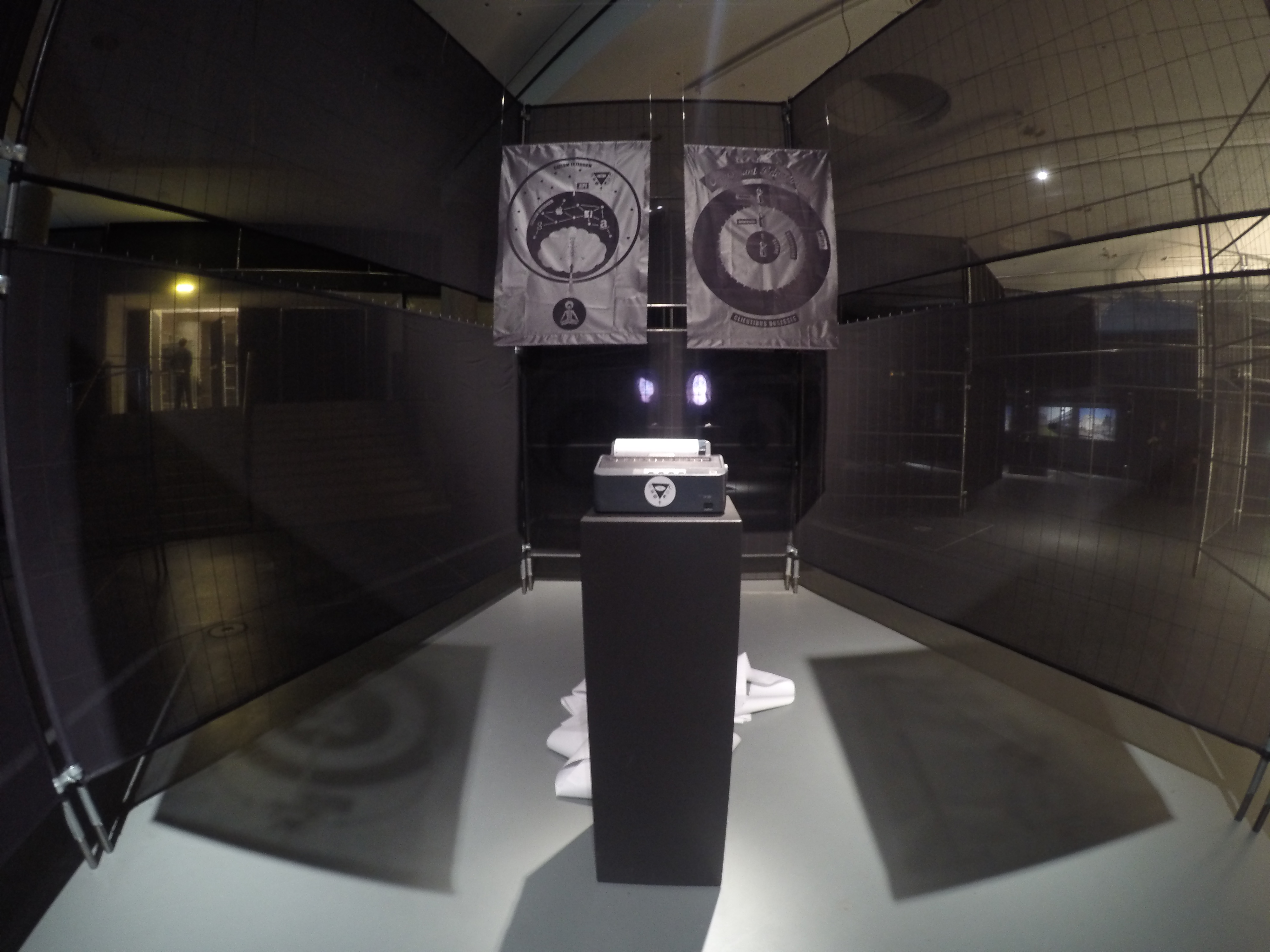 Stakhanov is a BigData god. It is a reflection about the role which we, as human beings and as members of society, are attributing to data, information and algorithms. Stakhanov captures public information from millions of people on social networks, and searches for...
 Join us at the Periferica Festival in Rome, on February 16-21 2015 at Fusolab, in Viale della Bella Villa 94 (and some other locations: check the program for time and locations). Art is Open Source and Human Ecosystems will be there for an installation and a workshop...
 From Wikipedia: “In Classical Antiquity, an oracle was a person or agency considered to interface wise counsel or prophetic predictions or precognition of the future, inspired by the gods. The word oracle comes from the Latin verb ōrāre “to speak” and...
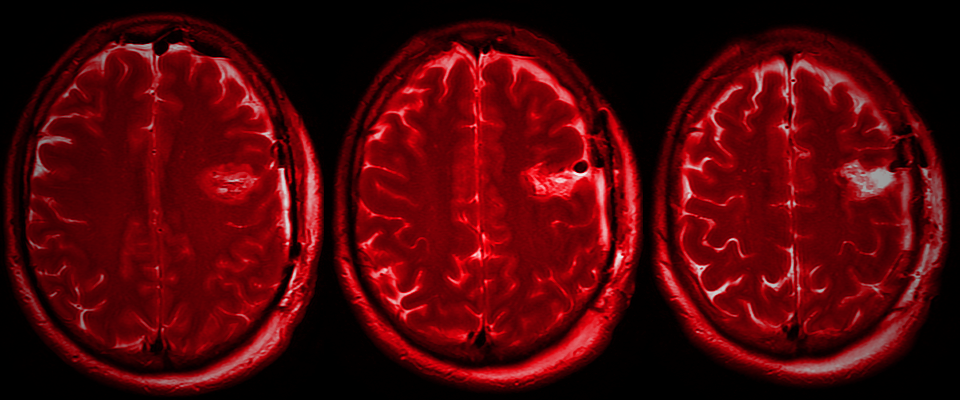 Together with Alessandro Delfanti we have just finished writing a chapter on the forthcoming book “The Participatory Condition”, forthcoming on the University of Minnesota Press. The chapter is titled: “Open Source Cancer. Brain Scans and the...
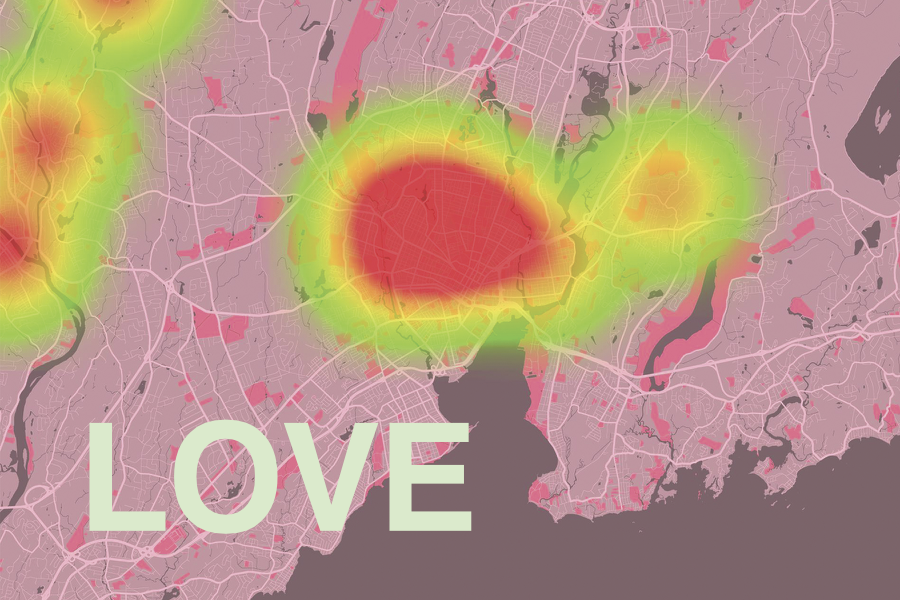 Art is Open Source, Yale World Fellows and the City of New Haven present: “HENHV” – Human Ecosystems New Haven. The digital life of a city Opening Ceremony December 9th, 2014 | 10.30-11:30am New Haven City Hall |165 Church St, New Haven Guests of...
 Join us in Yale for a series of events during Salvatore’s Yale World Fellowship: a Master’s Tea at Saybrook College, an Inspired Series talk at the New Haven public library, a talk about Human Ecosystems at the Department of Computer Science. And more to...
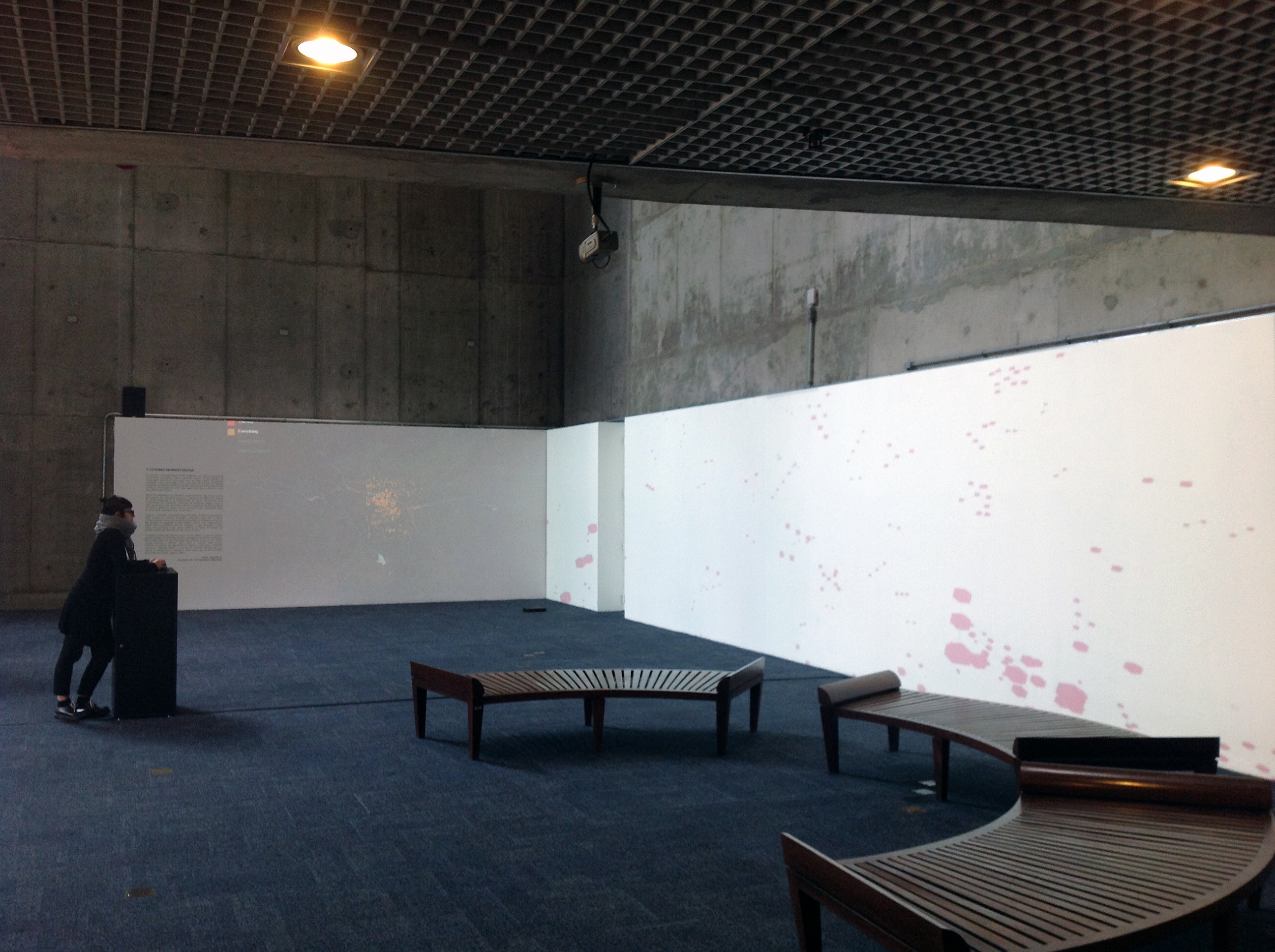 As appeared here in Human Ecosystems: here are some images of the Real Time Museum of the city in Sao Paulo, and of the first workshop which we held there. More information...
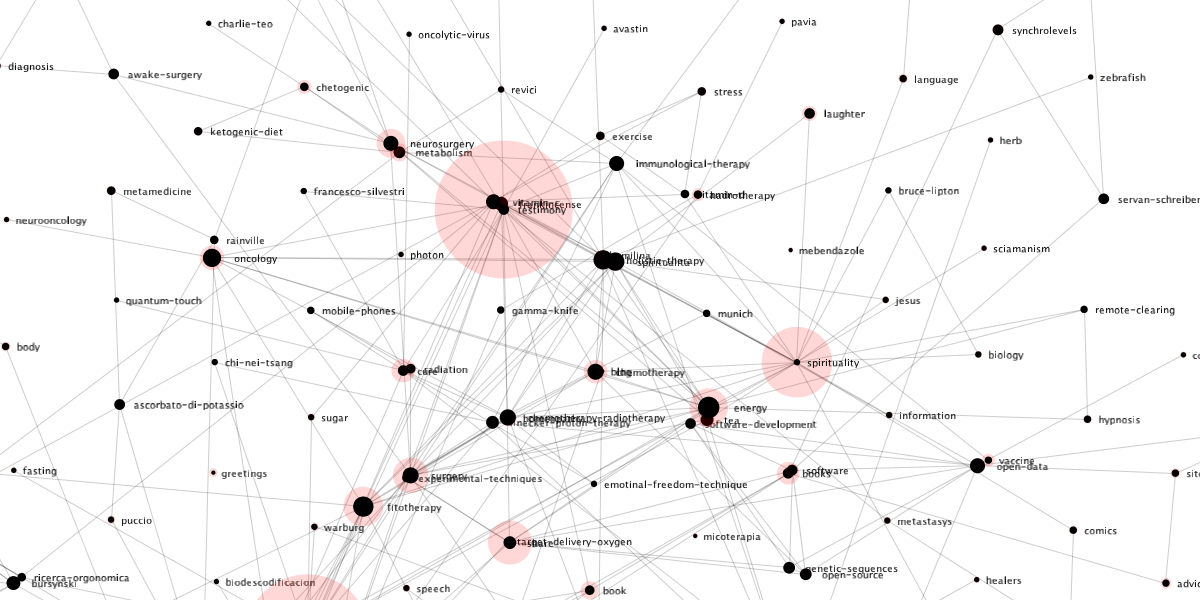 Join us in Paris on October 17th 2014 for “Data Viz or Data Touch” Art, Science, Design and Data Visualisation, at Google’s Cultural Institute Lab, for a performative discussion about La Cura, the Open Source Cure for Cancer. « Data viz or Data touch...
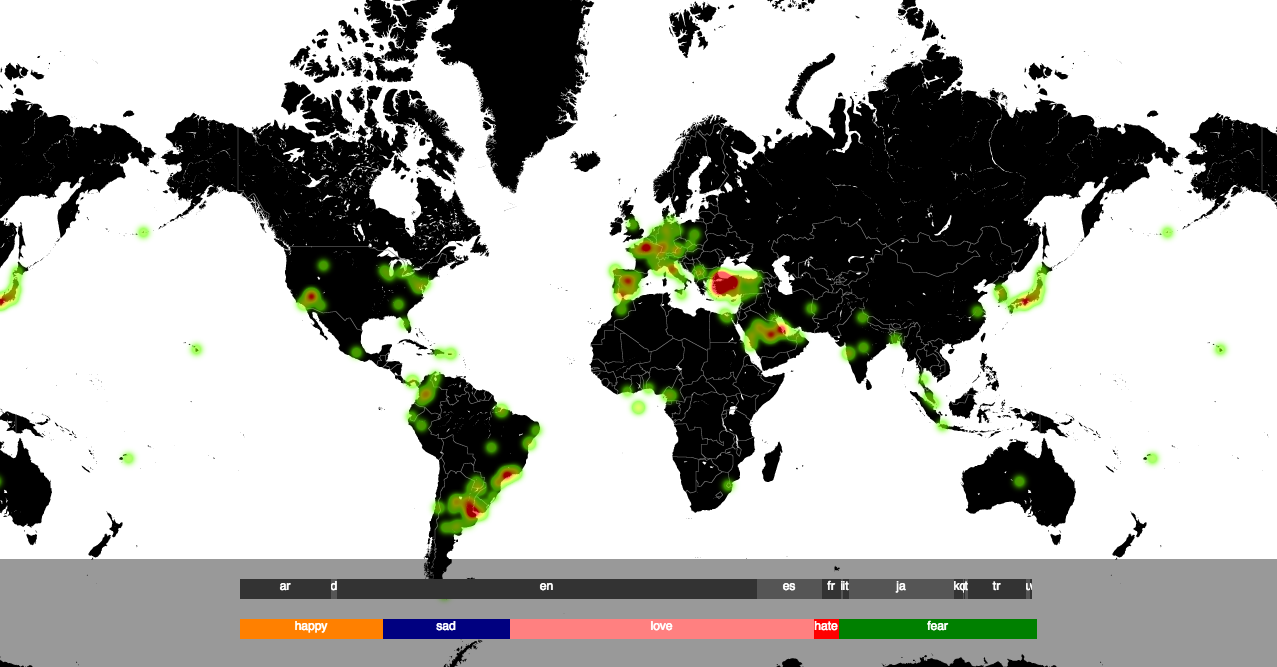 One Million Dreams at the MakerFaire in Rome, from October 3rd to 5th 2014, at the Auditorium Parco della Musica. We will present an installation for the One Million Dreams project, through which we are capturing the expression of people’s dreams using social...
 Join us in Florence, from October 2nd to October 4th 2014, for the “Festival delle Generazioni 2014”, to explore the opportunities brought on by the wide availability of Ubiquitous Information, which we will analyse through the methodology of Digital Urban...
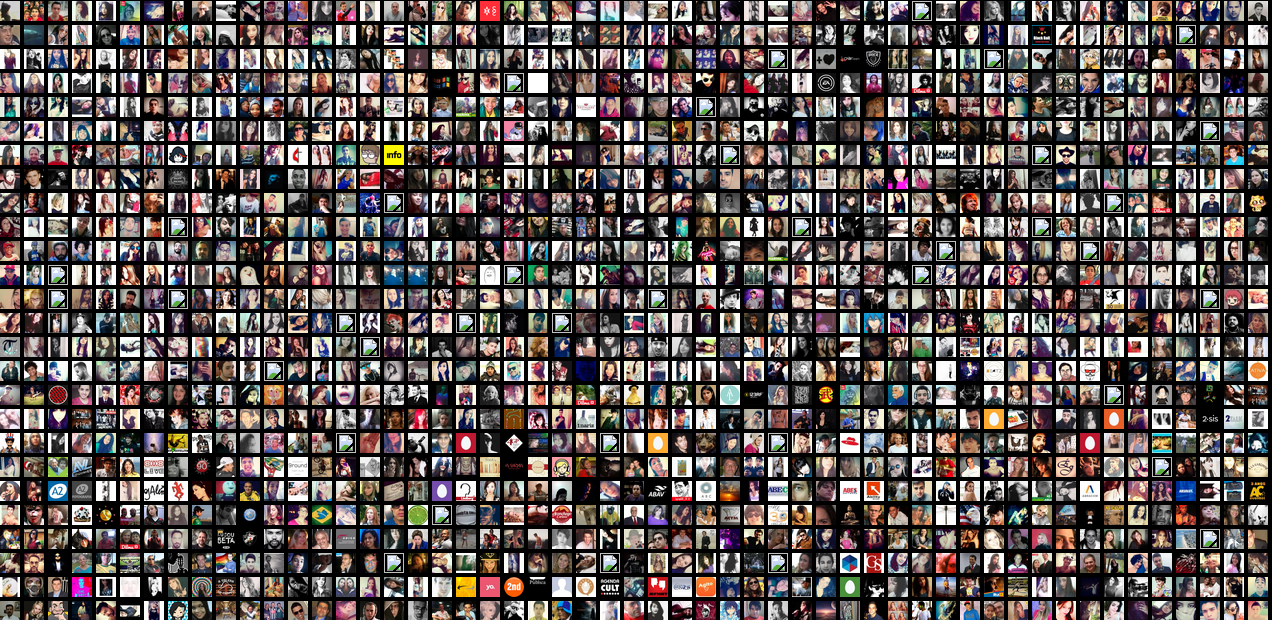 This article appeared on http://human-ecosystems.com/home/human-ecosystems-in-sao-paulo-the-real-time-museum-of-the-city/ Human Ecosystems is coming to Sao Paulo, at SESC Vila Mariana, from September 23rd to 28th 2014. From September 23rd to 28th, as a parallel...
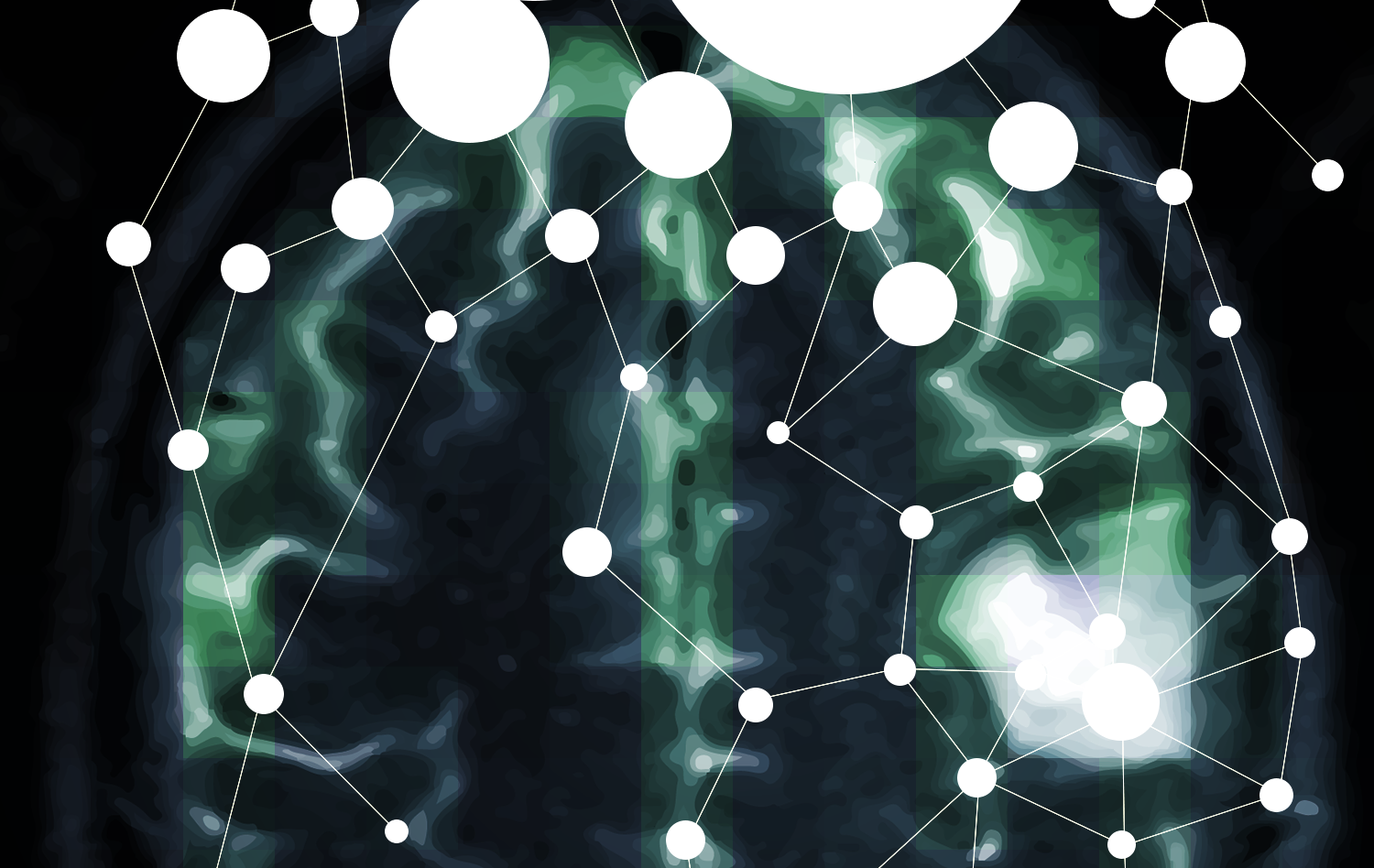 La Cura will be featured at Wave, Collective Intelligence, an exhibit promoted by BNP Paribas, in Paris at the Parc de la Villette, from September 10th to October 5th 2014 through a video by artist Susanna Pozzoli. Click HERE for some more information about La Cura at...
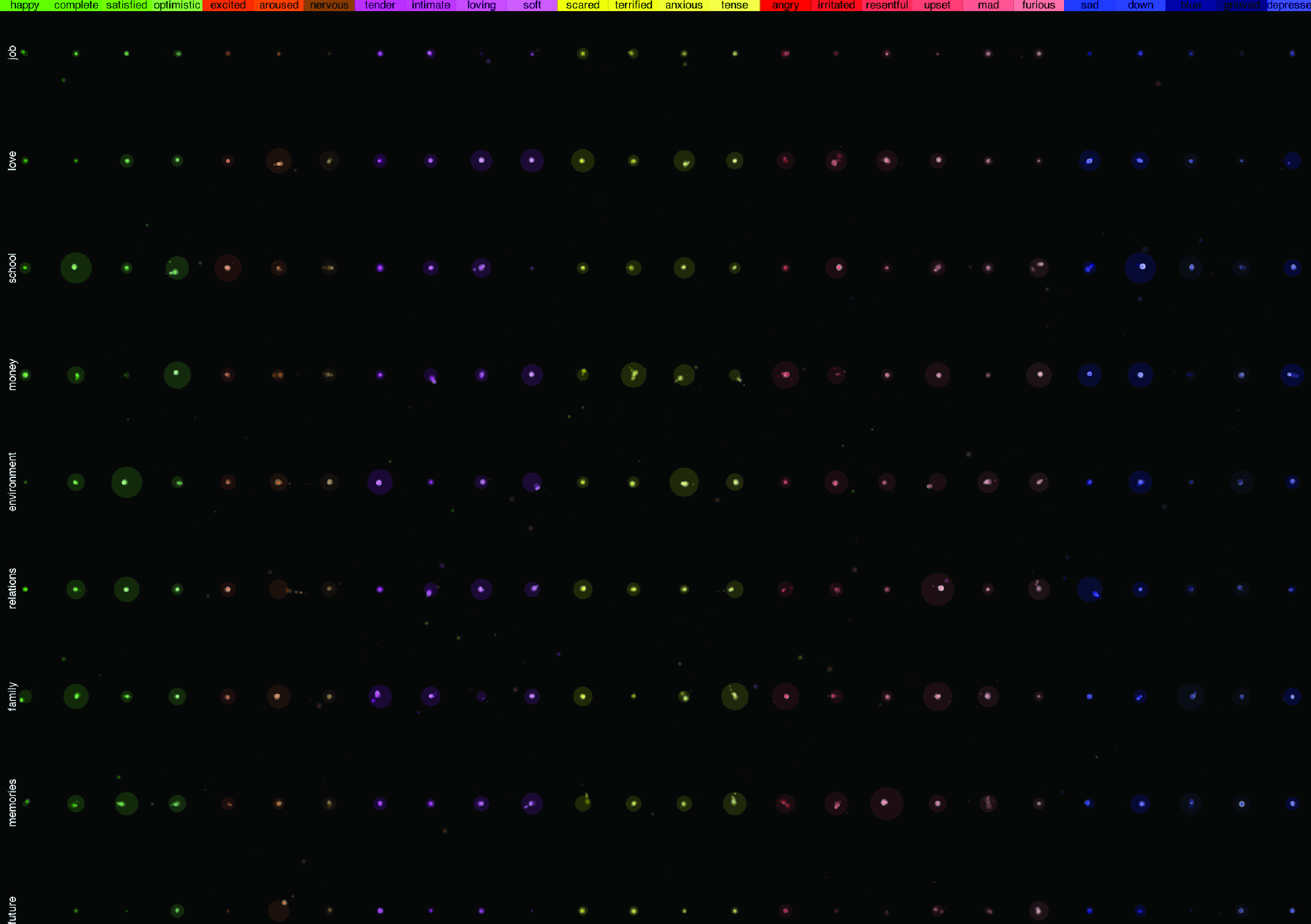 One Million Dreams will be featured at the File Festival 2014 in S. Paulo, Brazil. This is the 15th edition of FILE – Electronic Language International Festival in São Paulo –, which takes place this year from August 26 to October 5 at Centro Cultural FIESP...
 La Cura, an Open Source Cure for Cancer: an interview and coverage about the project has been published on Neural magazine issue #47 Here’s a Preview: More info on: Neural Magazine, ISSUE #47, WINTER 2014 ISSN:...
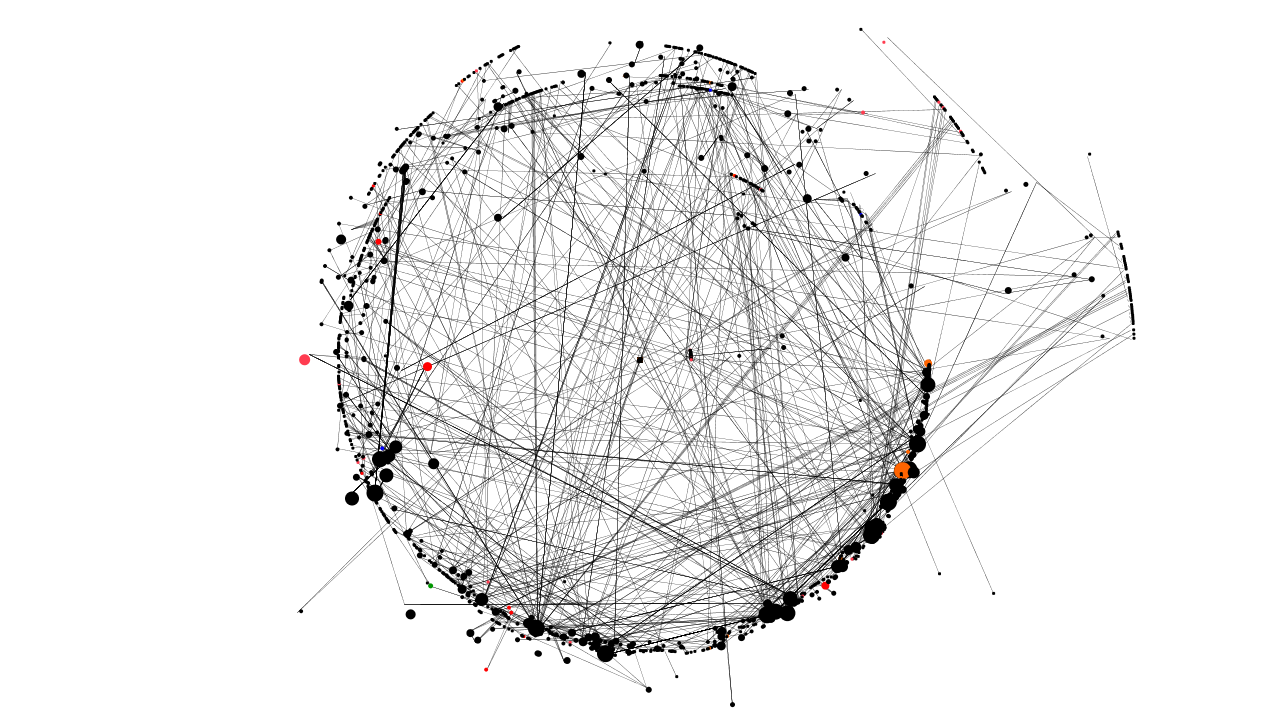 An information visualisation built using the Human Ecosystems will be featured at the Gallery Project, in Detroit, for the Unseen exhibit. 10 Minutes in Detroit captures all the social networking activity in the city of Detroit on June 30th 2014 and visualises it in a...
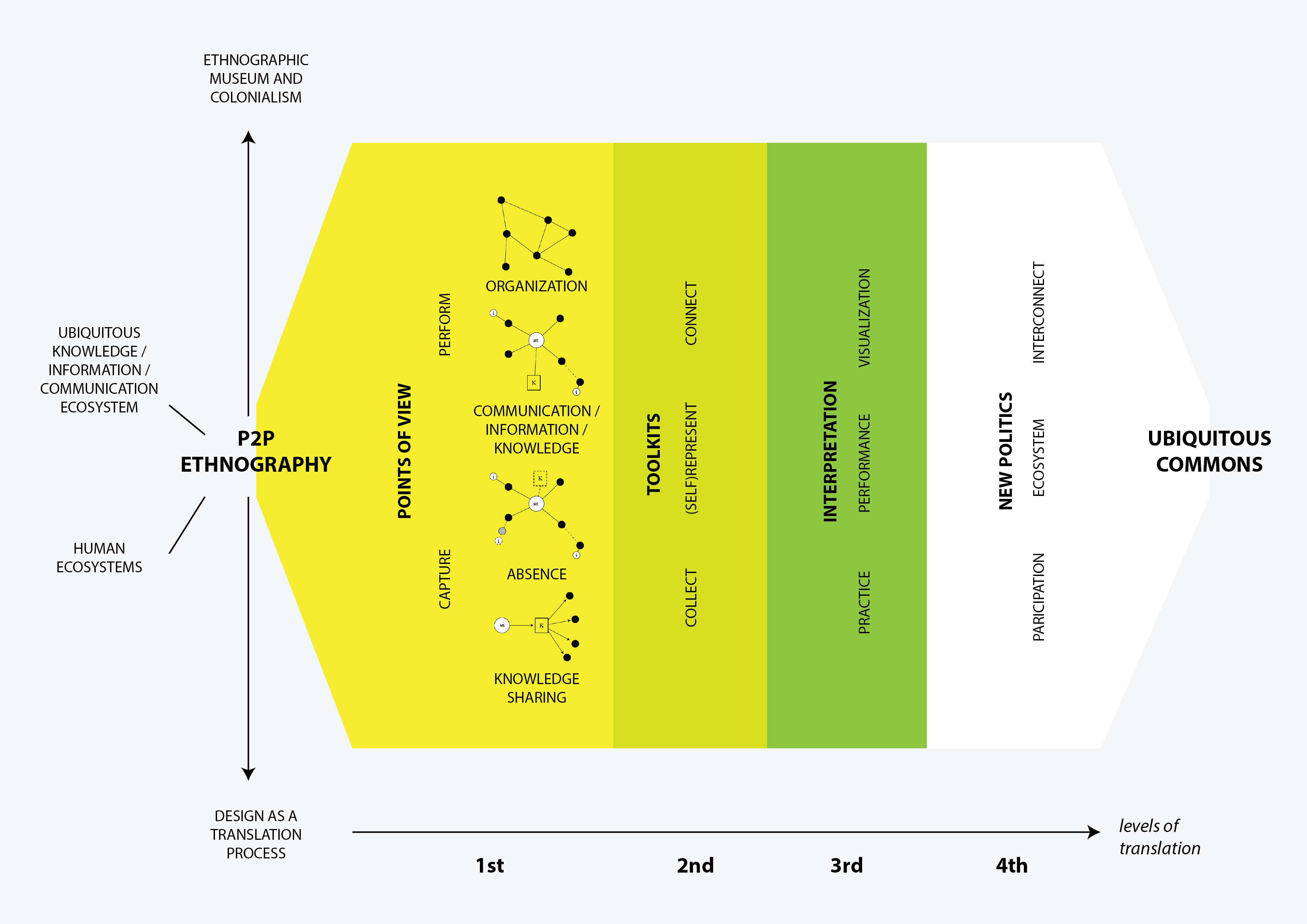 [this article originates from our participation to XYLab, in Castrignano de’Greci, Puglia, Italy] Introduction In Universal Exhibitions from the end of the ‘800s and beginning of the ‘900s, indigenous people were often exposed – under glass houses,...
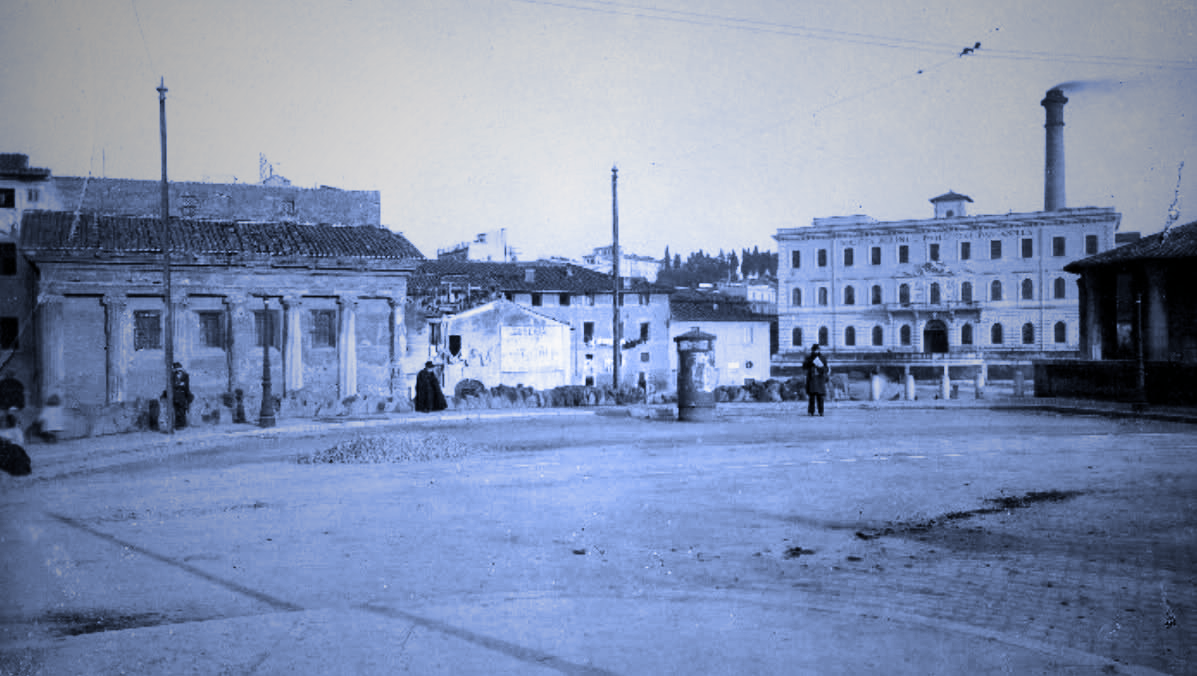 A public gathering in Rome, uniting administrations, politics, civil society and the cultures of the Italian capital become the occasion to explore the Human Ecosystems, the Real Time Museum of the City and the Ubiquitous Commons: the emergence of a vision of the...
 Art is Open Source will be at XY Lab in Puglia, from the 17th to the 31st of July, in the beautiful castle of Castrignano de’ Greci, for a massive workshop on knowledge, data, information, Human Ecosystems and the Near Future of Education. It will be the first...
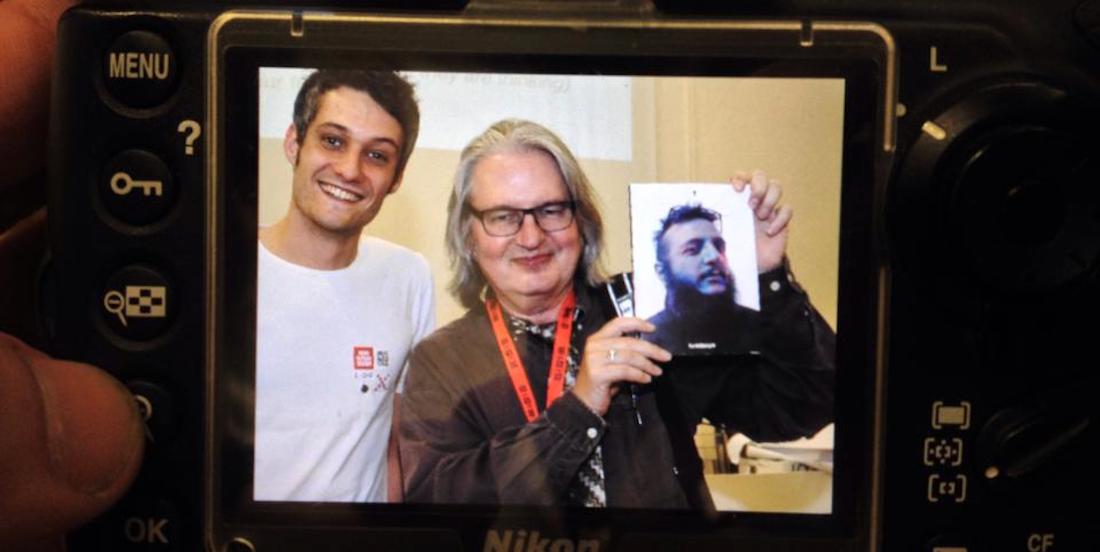 After the Near Future Design workshop held at the Wired NextFest in Milan: 8 hours, 48 people, 5 Near Future Design concepts produced on the theme of Telepathy. You can see some of the results in the Near Future Design Facebook Group, where you will also be able to...
 Fake and real. Simulacra and simulation. Go and organize a fake hold up. Be sure to check that your weapons are harmless, and take the most trustworthy hostage, so that no life is in danger (otherwise you risk committing an offence). Demand ransom, and arrange it so...
 Join us in Budapest for TEDxDanubia, where we will present the Human Ecosystems project, and some surprises about the digital lives of cities, the ways in which people express in urban contexts and on the possibility to create a new form of Public Space, in the era of...
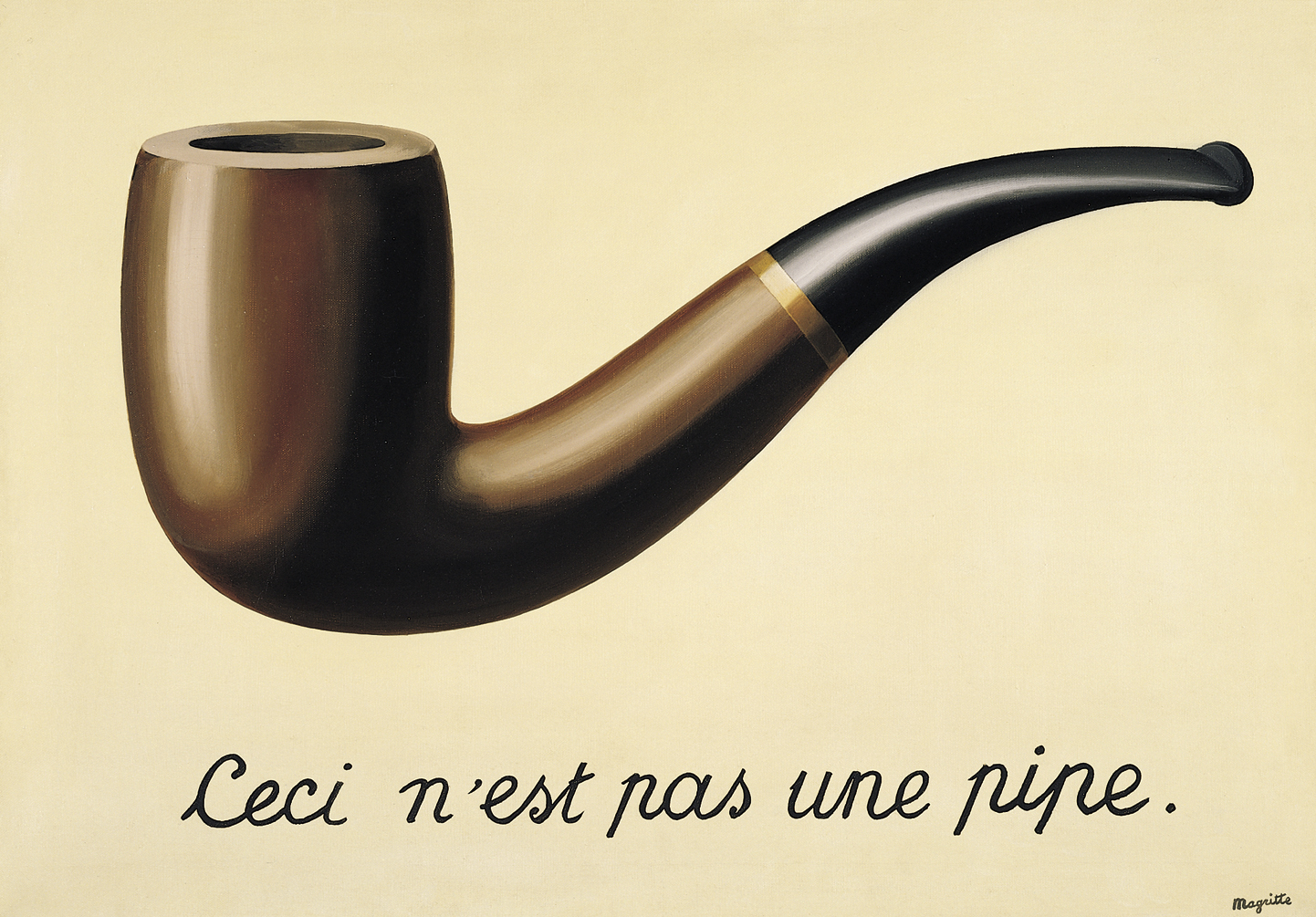 Join us at MAXXI B.A.S.E. (the research center of the MAXXI Museum in Rome) on April 29th 2014, at 6:00pm, in the Sala Graziella Lonardi Buontempo (via Guido Reni 4A, Rome) for a conversation on Transmedia Narratives, Design Fiction and the ways in which the idea of...
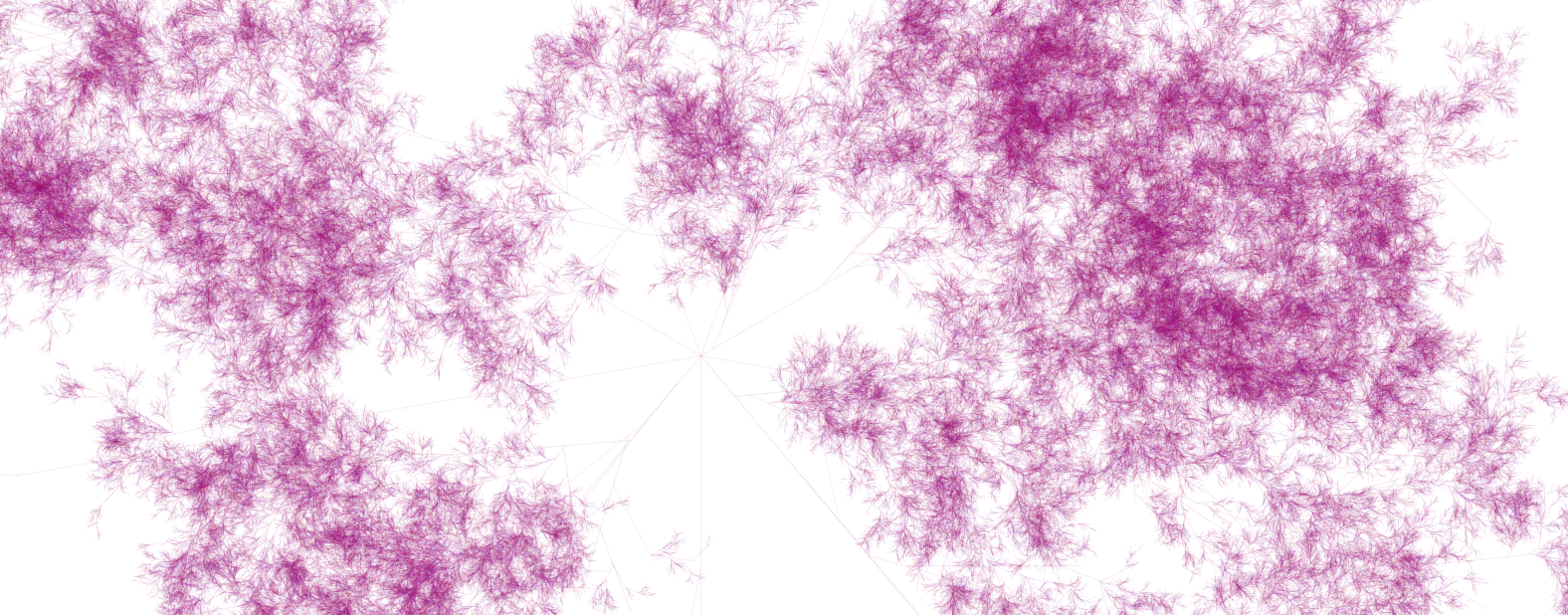 Fluffy Chaos is the first book of the Generativity series. It explores the spaces of generative visuals. Spaces in which the laws of nature become entangled with programming code to describe possible scenarios. The books of the series showcase the images and...
 The Emotional Compass featured in a chapter of the new “Augmented Reality Art” book from Springer, edited by Vladimir Geroimenko together with Mark Skwarek, Tamiko Thiel, Gregory L. Ulmer, John Craig Freeman, Conor McGarrigle, Patrick Lichty, Geoffrey Alan...
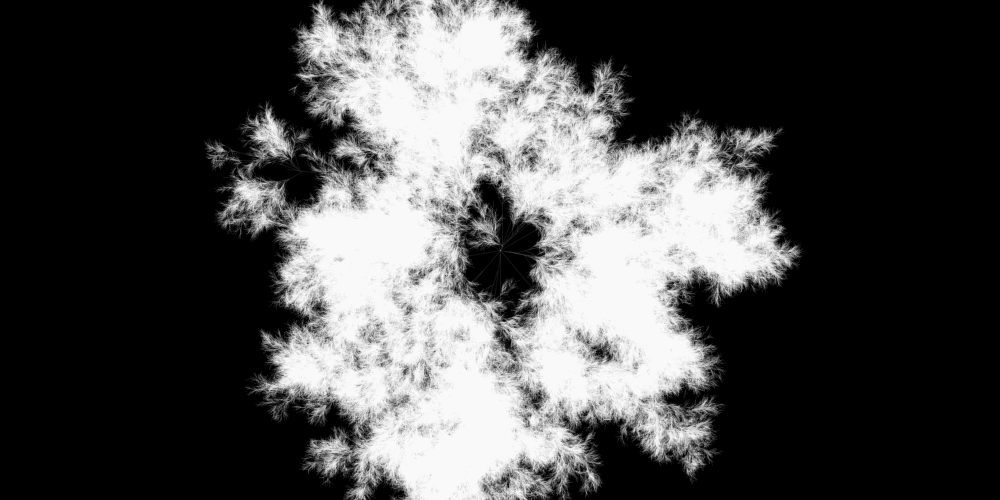 AOS will be at CyberResistance, on April 3, 4 and 5 2014, in Milan, at the Cantiere, for a participatory conversation about Near Future Design, starting from the Near Future Design of the Education System which we are building with our students at ISIA in Florence....
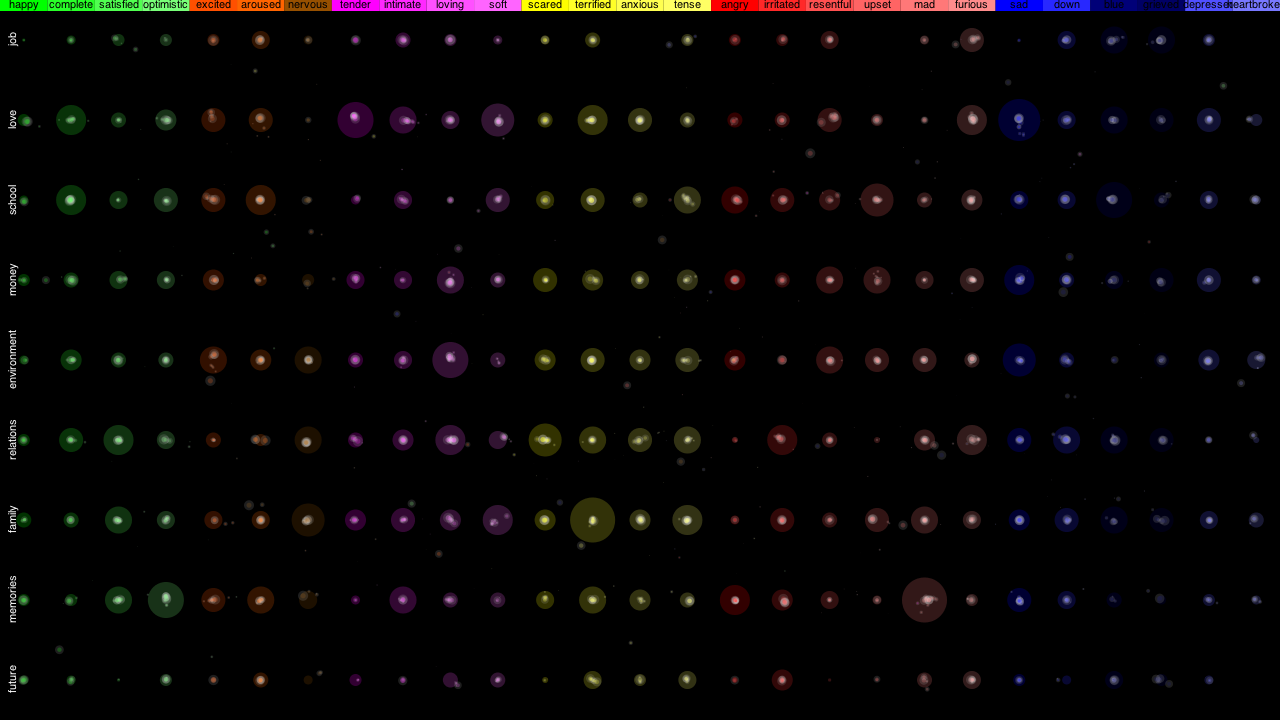 Dreaming on social networks. One Million Dreams is a generative video that lasts around 200 hours which shows, instant by instant, a whole year of dreams captured from social networks. This is a short preview. You had a dream last night, and you published something...
 AOS will be in Macerata ( May 2-6 2014 ) at the Youbiquity Festival for a workshop in which we will understand how to create an ubiquitous soundscape and installation, to create an immersive geography of sound. “When you listen carefully to the soundscape it becomes...
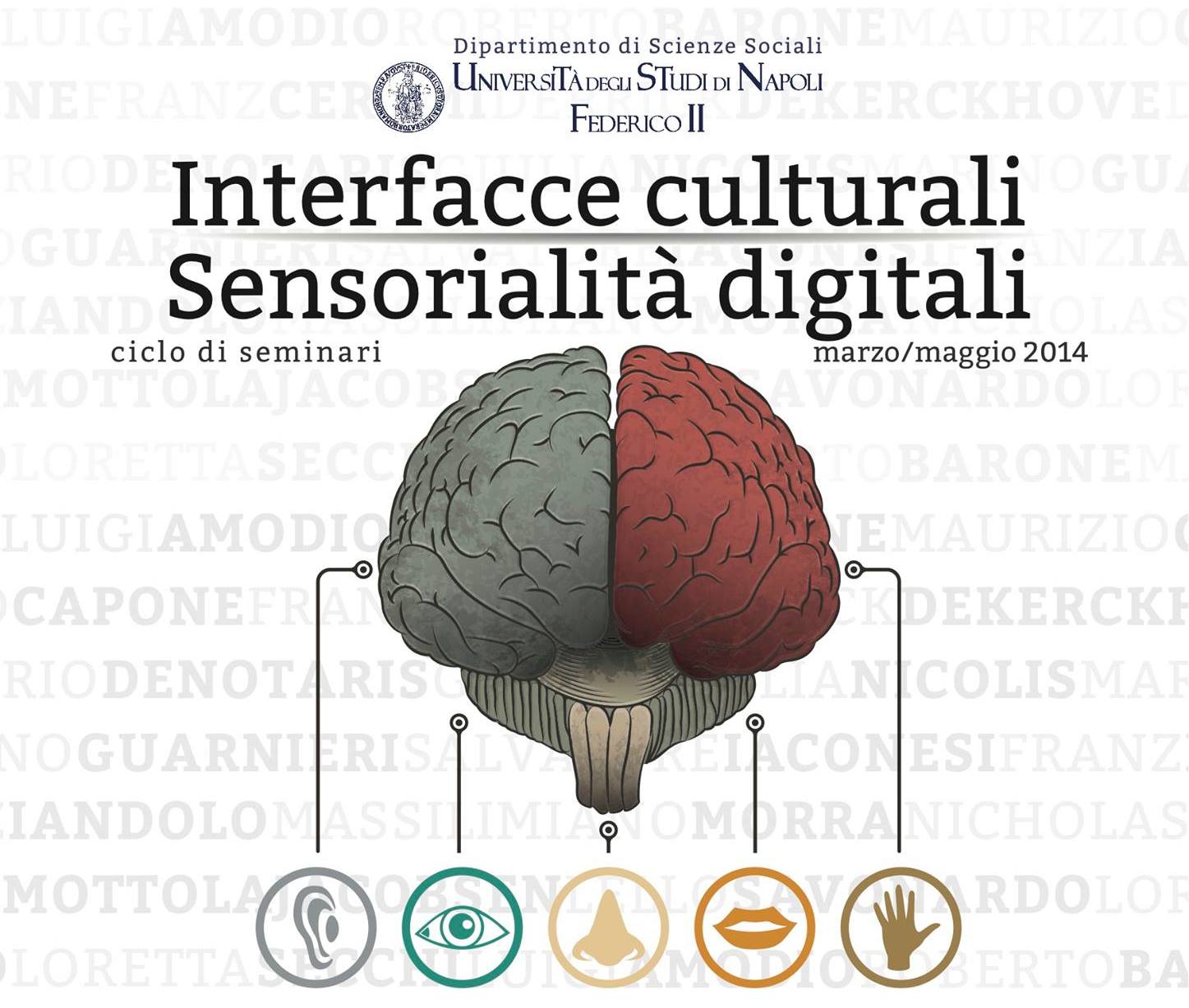 Art is Open Source will be in Naples on April 11th, at the Federico II University, at the Department of Social Sciences, for the “Interfacce culturali e sensorialità digitali” meeting (Cultural Interfaces and digital sensorialities) to to discuss the roles...
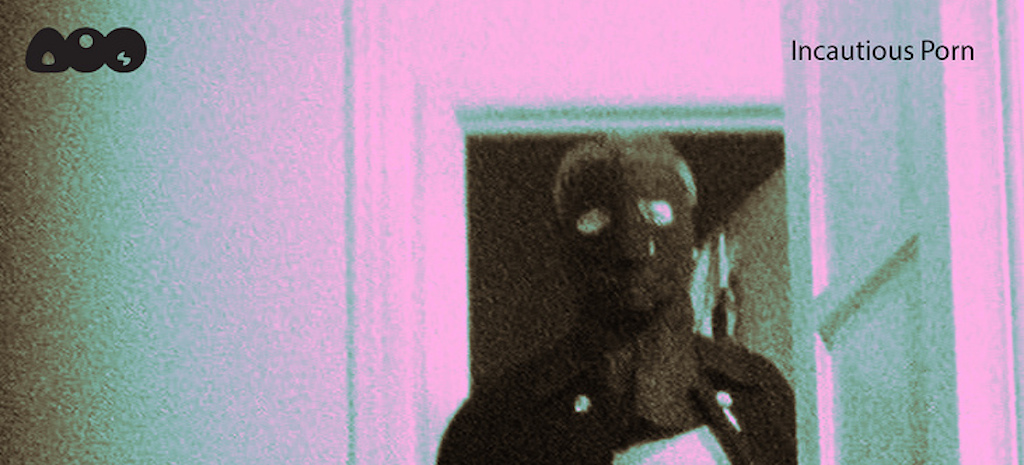 We’ll be attending SSN2014 (the 6th Biannual Surveillance and Society Conference) in Barcelona to present the outcomes of our Incautious Porn project: an anthropological experiment in blackmail and the perception of private/public space online. From the...
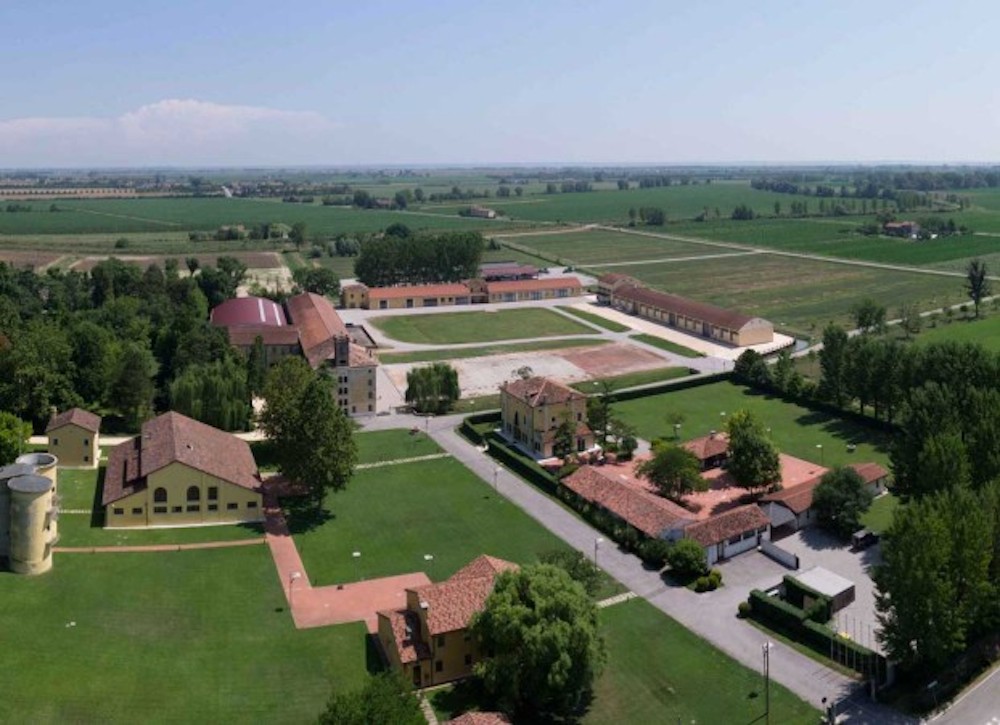 Art is Open Source will be at TEDxRoncade to talk about Near Future Design on February 22nd 2014. Saturday February 22nd 2014 starting at 10:30am Where: Auditorio Tenuta Ca’ Tron, Via Boschi, 14 Ca’ Tron – 31056 Roncade ( Treviso, Italy ) The theme of this TEDx Event...
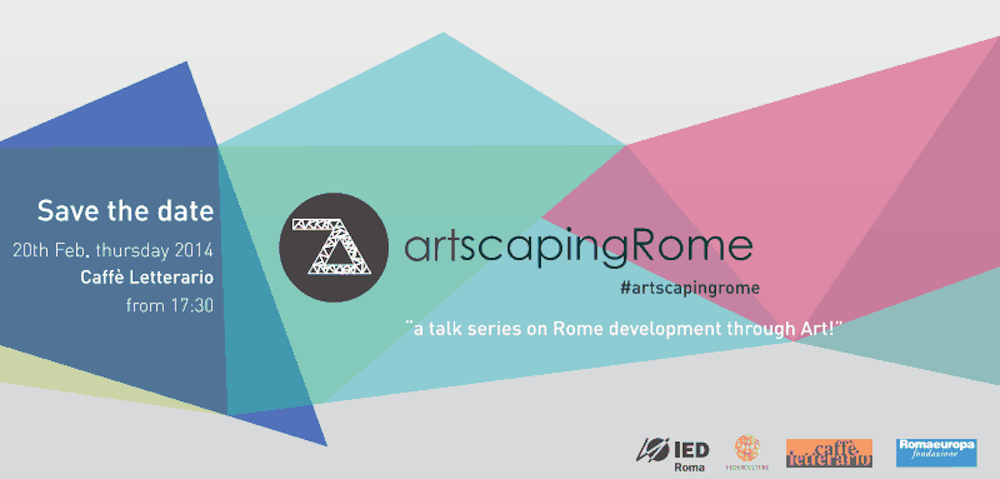 After launching the Human Ecosystems project in Toronto and setting up for its execution in Montreal, we will present it at Artscaping Rome, on February 20th 2014, at 5:30pm, at the Caffè Letterario, together with IED, Federculture and Fondazione Romaeuropa. In this...
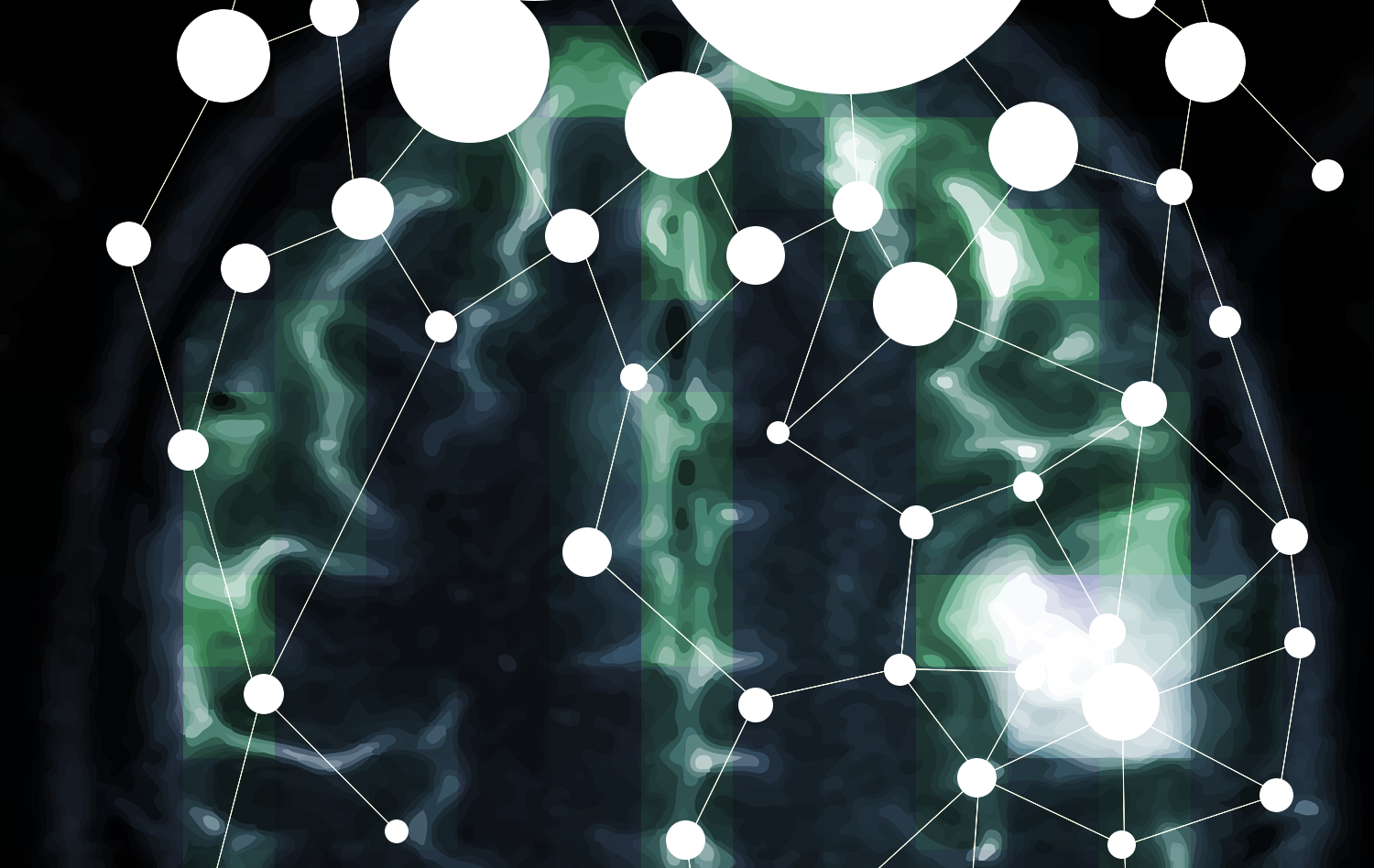 La Cura, an Open Source Cure for Cancer, will be presented at McGill University for Participatory Medicine, a conference with Patrick Dubé (Living Lab SAT/CHU Ste-Justine), Alessandro Delfanti (Media@McGill) and Salvatore Iaconesi and Oriana Persico (Art is Open...
The Human Ecosystems project is going to Toronto, at the Fields Institute for Research in Mathematical Sciences for ArtSci Salon, to start the real-time observation of the city, and for a first workshop on real-time cities, ubiquitous information, commons and the new...
La Cura, an Open Source Cure for Cancer, will be presented at McGill University for Participatory Medicine, a conference with Patrick Dubé (Living Lab SAT/CHU Ste-Justine), Alessandro Delfanti (Media@McGill) and Salvatore Iaconesi and Oriana Persico (Art is Open...
The Human Ecosystems project is going to Toronto, at the Fields Institute for Research in Mathematical Sciences for ArtSci Salon, to start the real-time observation of the city, and for a first workshop on real-time cities, ubiquitous information, commons and the new...
 This article was published on the Febrary 2nd edition of Nòva24, on Il Sole24Ore. You can find the original article here: Il futuro scolastico è una performance Here we give an expanded version of it, without length constraints. Crisis and transformation are...
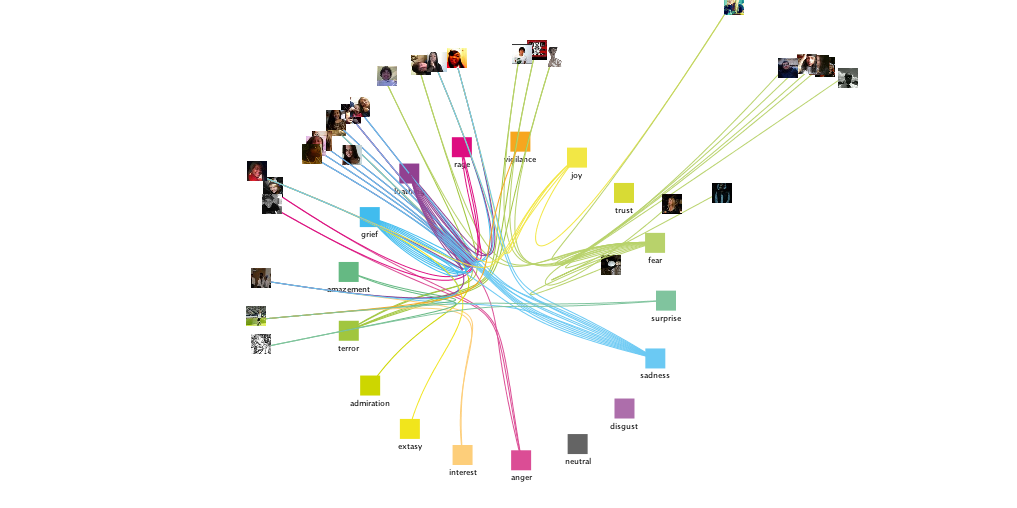
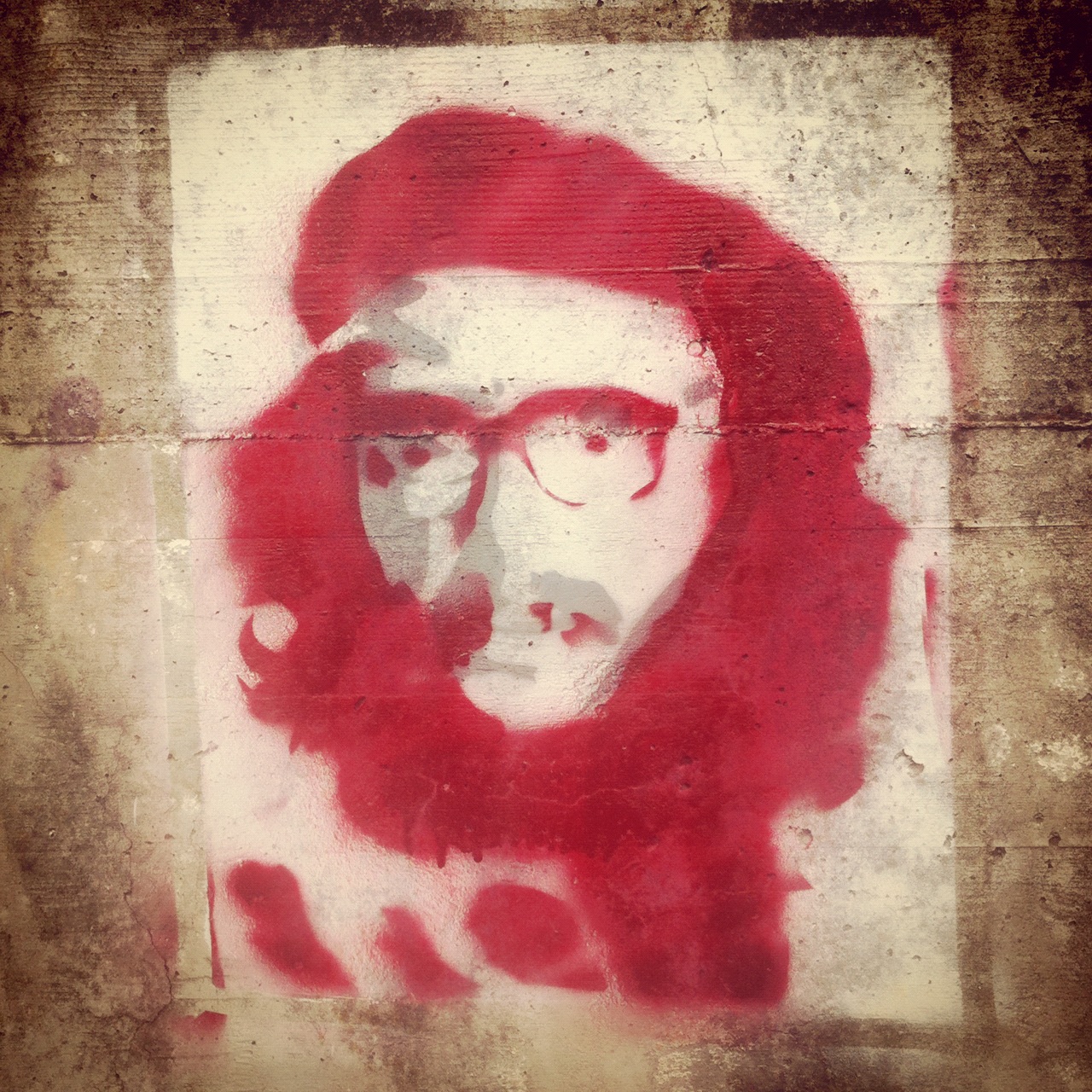 So, we gave a presentation about La Cura at yesterday’s panel at Transmediale 2014 Festival: Afterglow: here are the slides for the presentation: [slideshare id=30698464&doc=salvatoreiaconesiv6-140201063515-phpapp02] At the end of the slide, a visualization...
 What do arts, design and philosophy have to do with business? [ this is the english version of our article which appeared on the SIMI Newsletter, in Portuguese. SIMI is Brazil’s Open Innovation System] Let’s start from art. The arts have a crucial role in...
La Cura will be featured at the 2014 edition of the transmediale festival in Berlin, in the panel “Under the Skin: Revealing Invisible Data”. The panel will be part of the Hashes to Ashes section of the Festival, curated by Tatiana Bazzichelli. It will be...
What do arts, design and philosophy have to do with business? [ this is the english version of our article which appeared on the SIMI Newsletter, in Portuguese. SIMI is Brazil’s Open Innovation System] Let’s start from art. The arts have a crucial role in...
La Cura will be featured at the 2014 edition of the transmediale festival in Berlin, in the panel “Under the Skin: Revealing Invisible Data”. The panel will be part of the Hashes to Ashes section of the Festival, curated by Tatiana Bazzichelli. It will be...
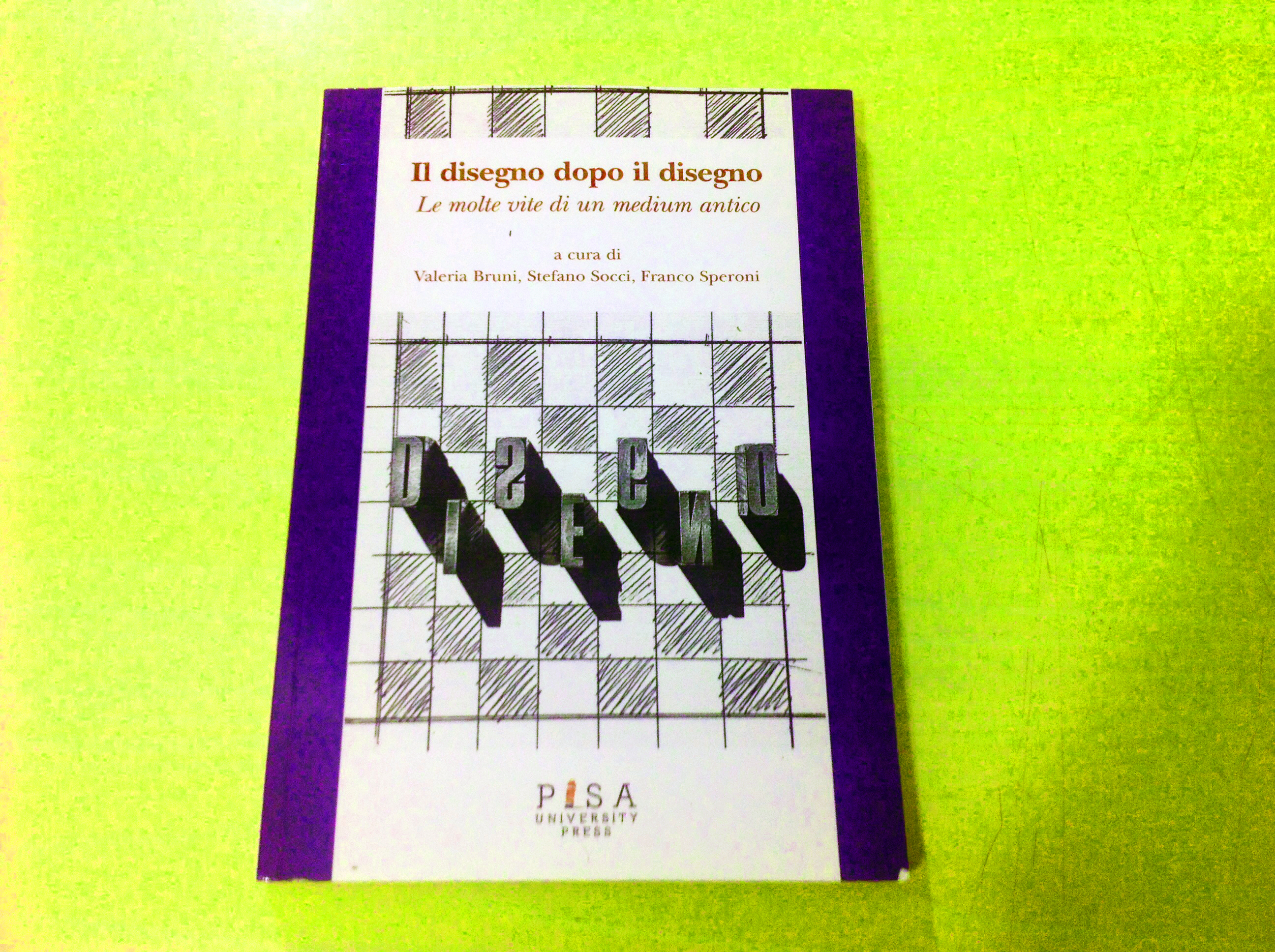 The book “Il Disegno dopo il Disegno: le molte vite di un medium antico” (“Drawing after Drawing: the many lives of an ancient media”) just came out for Pisa University Press, edited by Valeria Bruni, Stefano Socci and Franco Speroni. The book...
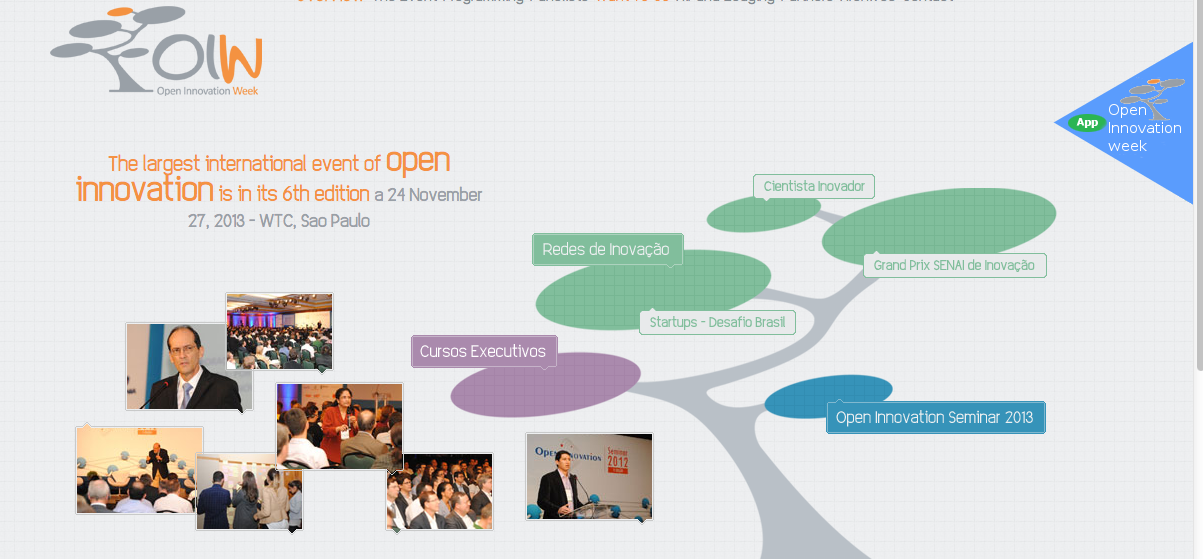 Art is Open Source will be at the Open Innovation Week in Brazil for a workshop and a seminar about Near Future Design, and to speak about how to confront with unknown challenges in Innovation, for a more participatory, performative vision of the future, and about how...
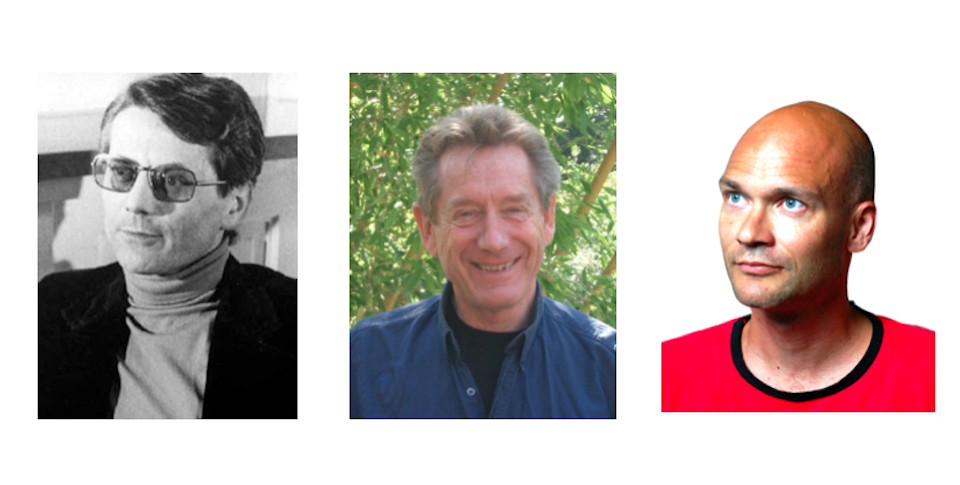 What do Michel De Certeau, Gilles Clément and Marco Casagrande have to do with the idea of Smart Cities? What is the Third Infoscape? How can we grasp the potential revolutionary character of our daily lives, educate our gaze to capture unforeseen opportunities and...
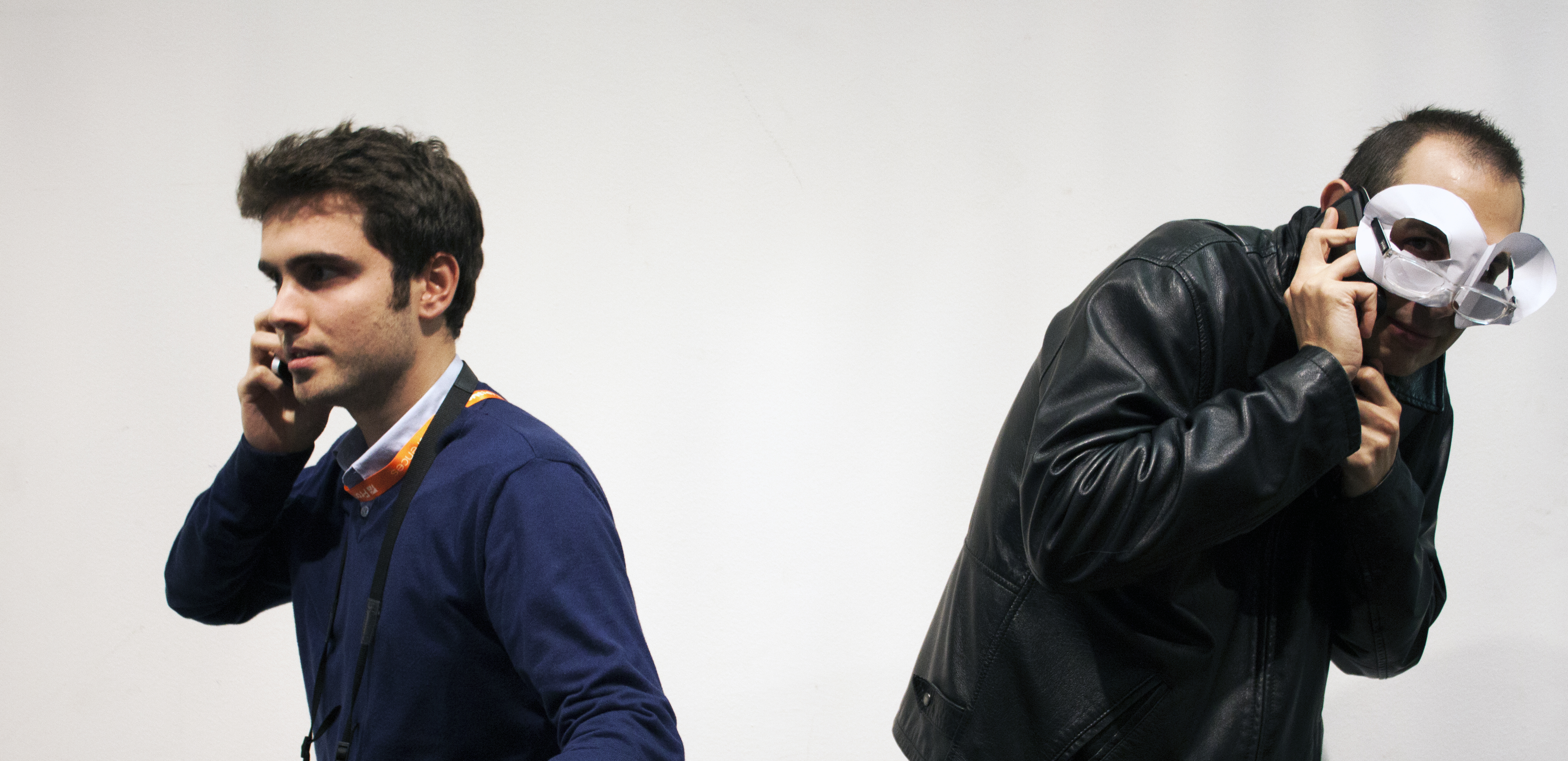 We will be at I-Lab at Luiss University for a workshop on Near Future Design and the concept of Openness, on November 14th 2013, from 2pm to 6pm. Here is the EventBrite page for the workshop and here is the Facebook page for I-Lab Luiss, where you can know more. In...
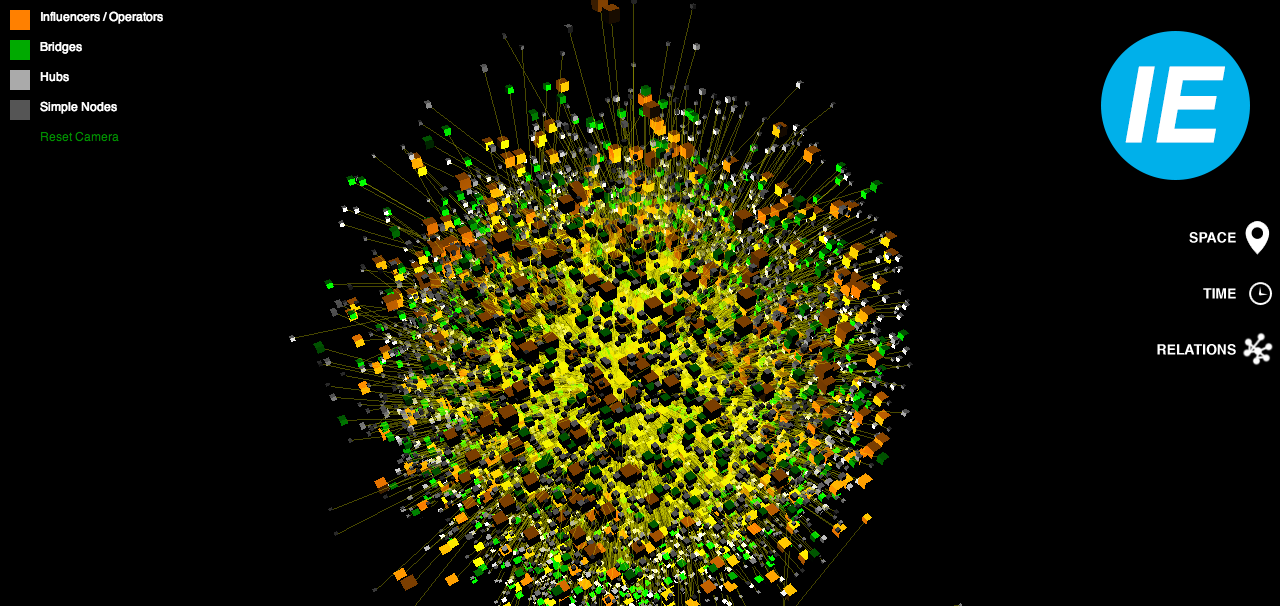 What is the Human Ecosystem of the city? How does it transform with the wide and accessible availability of ubiquitous and nomadic technologies? How can we capture and visualize the Human Ecosystem of a city? How can we transform this possibility to represent the...
 What is the future? The future does not exist. It is a performance to which we all take part in, establishing a global conversation, making decisions and embracing directions. Each time we do this, we push our perception of “what is possible” a little...
![[ AOS ] Art is Open Source](https://www.artisopensource.net/network/artisopensource/wp-content/uploads/2020/03/AOSLogo-01.png)