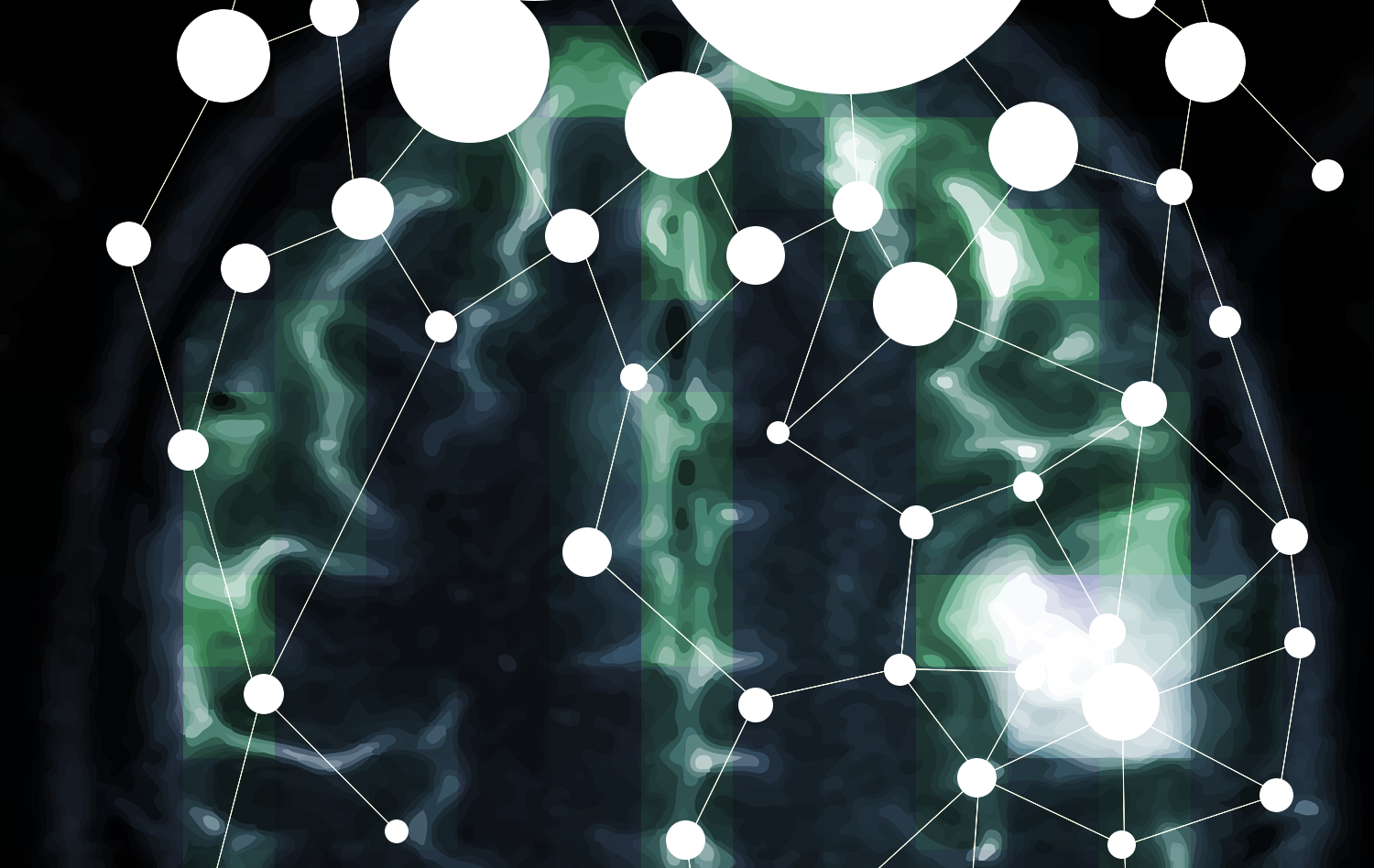
 La Cura, an Open Source Cure for Cancer, will be presented at McGill University for Participatory Medicine, a conference with Patrick Dubé (Living Lab SAT/CHU Ste-Justine), Alessandro Delfanti (Media@McGill) and Salvatore Iaconesi and Oriana Persico (Art is Open...
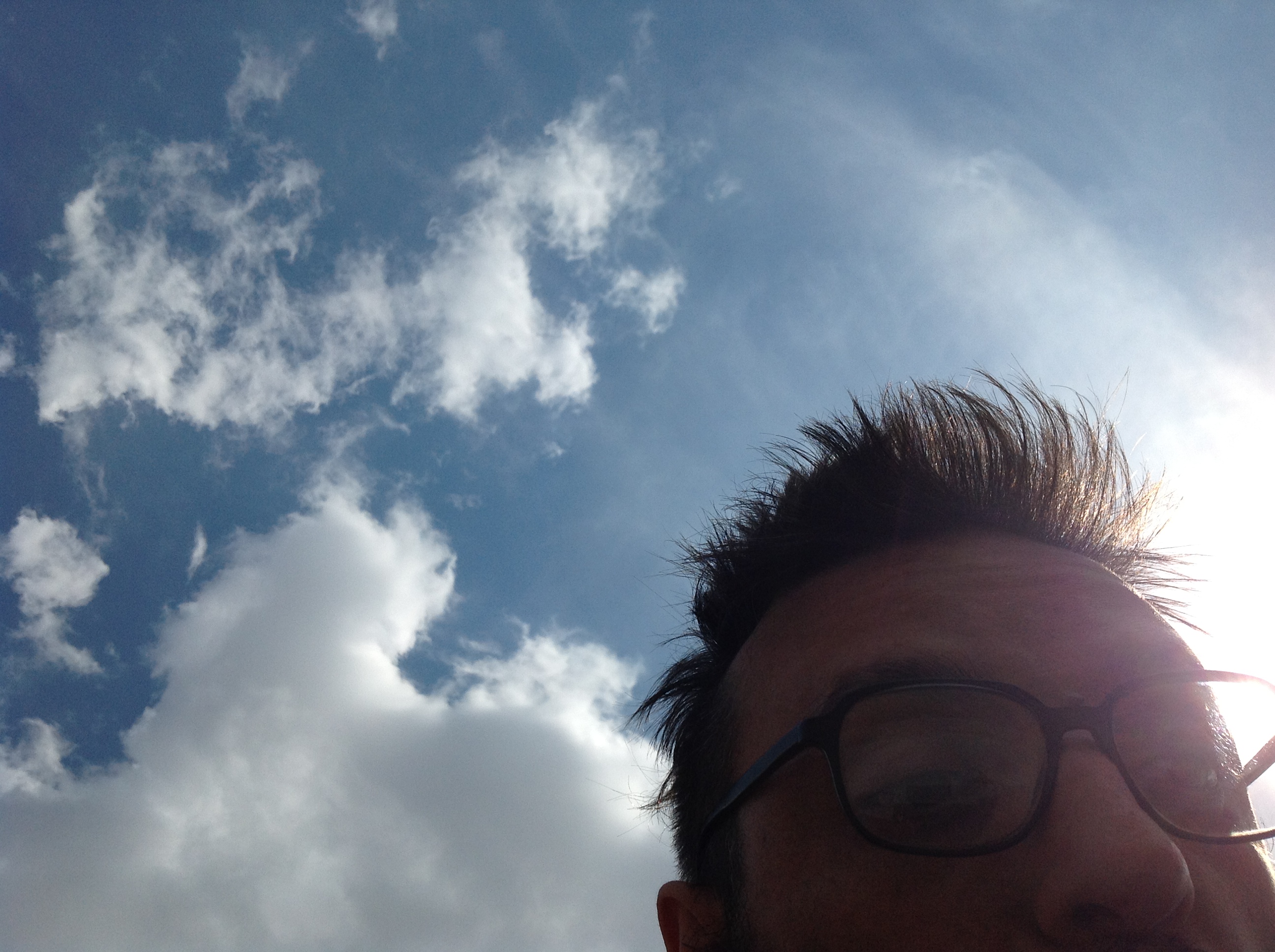 AOS will be at NextFest in Milan on Saturday June 1st 2013 to speak about La Cura, the Open Source Cure for Cancer, Hacking culture and the opportunities to reclaim our rights and human perspectives in our contemporary times. Here’s the title and abstract of the...
 Salvatore Iaconesi of AOS has been nominated TED Fellow for 2012 and, for this, will be presenting at TED Global 2012 in Edinburgh from June 25-29 2012. We’ve been reflecting on this incredible opportunity for the last few weeks. TED Global’s theme for...
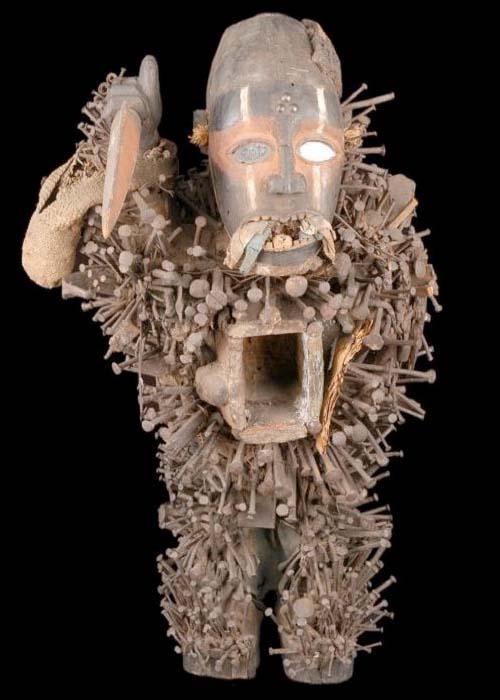 FakePress will be at the Future of Education Conference in Florence on June 16th and 17th, presenting a research paper titled: “Training Future Anthropologists by Innovative Means: Professional Vision from Augmented Reality NKISI Representations” Here is a...
 we will be at the third edition of the PubliCamp in Bari, Italy on the 1st, 2nd and 3rd December 2010. Public Camp 2010 – spot #1 from FF3300 on Vimeo. We will discuss the scenarios for communication and publishing with FakePress and we will bring with us little...
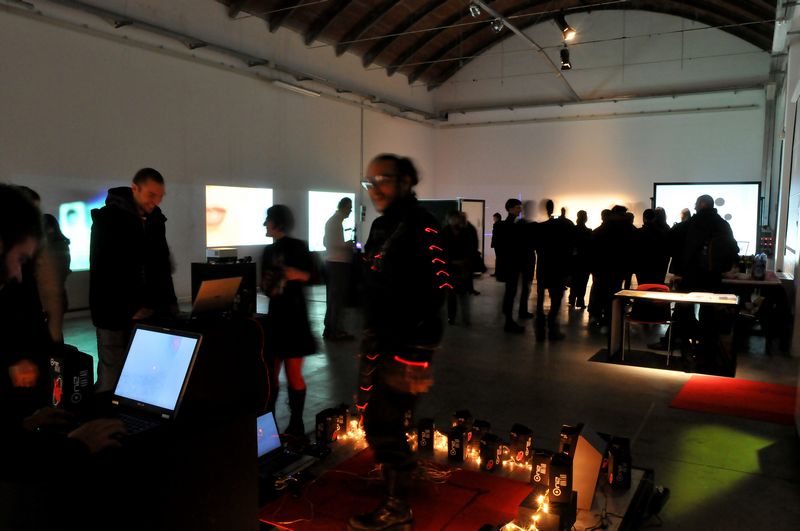 Wearing Emotions by FakePress, presented at the IV10 conference in London, July 2010 from salvatore iaconesi on Vimeo. The video shows the presentation of the paper titled “Wearing Emotions: Physical representation and visualization of human emotions using...
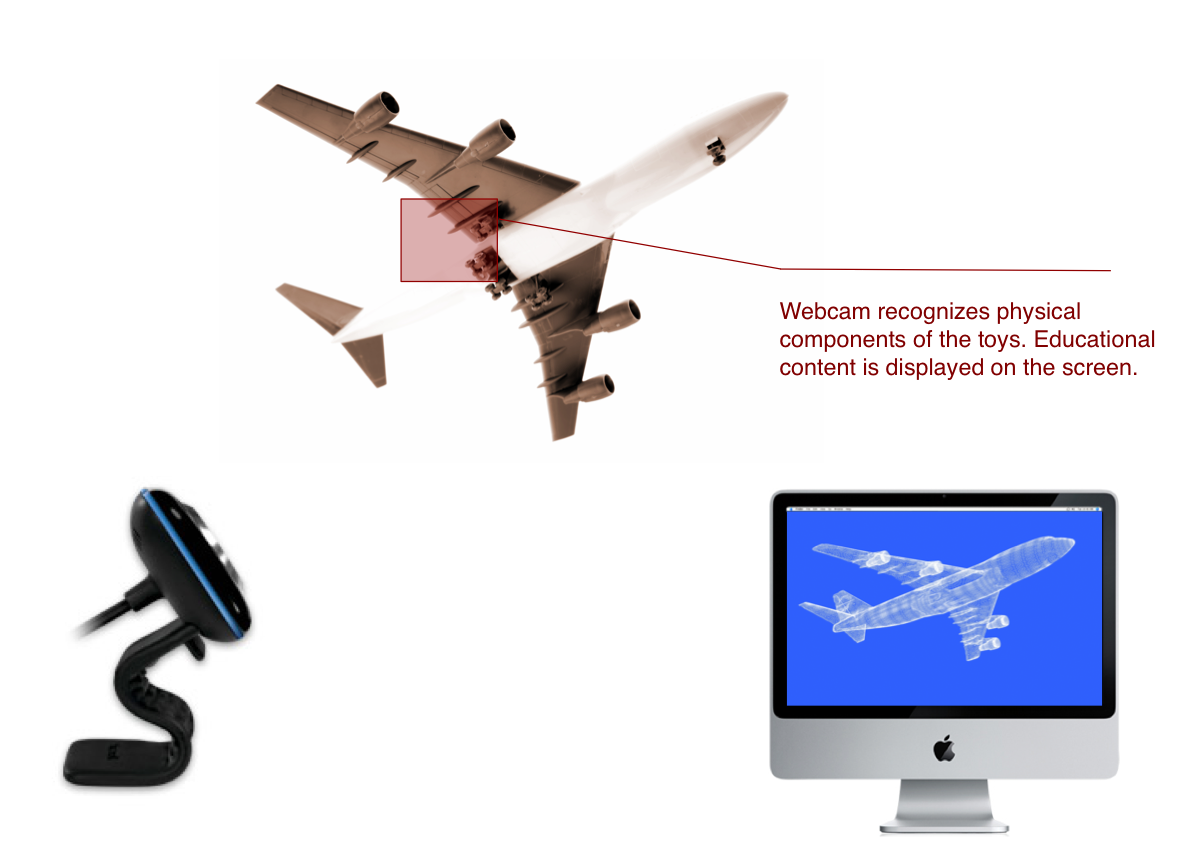 Art is Open Source, together with FakePress have recently participated at the ICALT conference, International Conference on Advanced Learning Technologies. We presented Toys++, an augmented reality system allowing you to apply digital contents to the toys people (and...
DOWNLOAD THE FULL PROGRAM [ ENGLISH ] RomaeuropaFAKEFactory [REFF] presents [ REFF.erence ] Friday 20th and Saturday 21st, March 2009 @ Rome The international competition RomaEuropaFAKEFactory re-lauches in Rome on March 20th and 21st with two dense days dedicated to...
Say what?! RomaEuropaFAKEFactory at the Italian Senate?!? www.romaeuropa.org
Just back from Liverpool where we attended the (re)Actor3 and HCI2008 events presenting Degradazione per Sovrapposizione di Corpi. check out how it went with full video coverage here: > report from Liverpool connect to the events at > (re)Actor3 >...
The Planetary Collegium presented this conference titled “Being Syncretic”. Researchers and artists from all over the world converged in Vienna to present the state of the art of research on technologies as they access reality in integrated ways. We...
Art is Open Source and NeRVi present Angel_F project in Mexico City at the Computer Art Congress 2. The international meeting researches on the evolution of digital practices as they affect arts and society. I presented there the Angel_F project, together with...
What are the challenges artworld is facing in the time of globalization and increasing technologization? At the conference I presented the Biodoll project and Angel_F. In collaboration with CIANT (International Centre for Art and New Technologies), Center for Global...
Art is Open Source, together with FakePress have recently participated at the ICALT conference, International Conference on Advanced Learning Technologies. We presented Toys++, an augmented reality system allowing you to apply digital contents to the toys people (and...
DOWNLOAD THE FULL PROGRAM [ ENGLISH ] RomaeuropaFAKEFactory [REFF] presents [ REFF.erence ] Friday 20th and Saturday 21st, March 2009 @ Rome The international competition RomaEuropaFAKEFactory re-lauches in Rome on March 20th and 21st with two dense days dedicated to...
Say what?! RomaEuropaFAKEFactory at the Italian Senate?!? www.romaeuropa.org
Just back from Liverpool where we attended the (re)Actor3 and HCI2008 events presenting Degradazione per Sovrapposizione di Corpi. check out how it went with full video coverage here: > report from Liverpool connect to the events at > (re)Actor3 >...
The Planetary Collegium presented this conference titled “Being Syncretic”. Researchers and artists from all over the world converged in Vienna to present the state of the art of research on technologies as they access reality in integrated ways. We...
Art is Open Source and NeRVi present Angel_F project in Mexico City at the Computer Art Congress 2. The international meeting researches on the evolution of digital practices as they affect arts and society. I presented there the Angel_F project, together with...
What are the challenges artworld is facing in the time of globalization and increasing technologization? At the conference I presented the Biodoll project and Angel_F. In collaboration with CIANT (International Centre for Art and New Technologies), Center for Global...
![[ AOS ] Art is Open Source](https://www.artisopensource.net/network/artisopensource/wp-content/uploads/2020/03/AOSLogo-01.png)